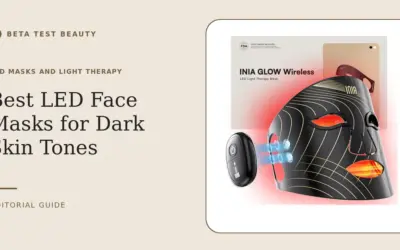

what is red light therapy? It is a noninvasive light-based skincare approach that uses specific red and near-infrared wavelengths. At-home devices include LED masks, panels, wands, and handheld tools, but their designs and instructions vary widely.
The useful question is not whether a device emits red light, but whether its wavelength information, treatment instructions, fit, safety guidance, and maintenance demands suit your routine. For broader category context, see the LED Masks and Light Therapy category and compare claims carefully before buying.
what is red light therapy buying guide for 2026?
Wavelength information
Red light generally refers to visible wavelengths, while near-infrared light sits beyond visible red light. A product should identify its wavelengths clearly instead of relying on vague terms such as medical grade or full spectrum.
Wavelength alone does not establish effectiveness for every goal. Use the manufacturer’s documented intended use, follow its instructions, and consult a qualified professional when a skin condition, medication, or treatment history creates uncertainty.
Light dose and treatment protocol
Light dose depends on irradiance, exposure time, distance, and treatment frequency. A simple comparison uses dose in joules per square centimeter, calculated from irradiance in watts per square centimeter multiplied by seconds.
Published numbers deserve scrutiny because brands may report output differently, use different distances, or omit testing conditions. Follow the supplied protocol rather than extending sessions when results appear slow, since more exposure does not automatically mean better results.
Coverage and fit
A mask should sit close enough for consistent facial coverage without creating pressure points or blocking comfortable breathing. Panels can cover larger areas, but they require more deliberate positioning and a stable space for each session.
Check eye coverage, strap adjustment, cable placement, and whether treatment areas match your actual routine. A technically capable device that feels awkward may produce poor consistency, which weakens its practical value.
Comfort and routine friction
Session length, heat, brightness, weight, and freedom of movement can determine whether regular use feels realistic. A cordless design may suit multitasking, while a wired device may require less battery maintenance and offer simpler storage.
Review controls and indicators before purchase. Clear session timing, accessible power controls, washable contact surfaces, and uncomplicated charging reduce preventable routine failures.
Safety, compatibility, and contraindications
Read the manual before use, especially its eye protection instructions, warnings, cleaning rules, and skin or medication restrictions. Patch-test when the manufacturer advises it, stop if irritation or unusual discomfort appears, and seek professional advice when symptoms persist.
People using photosensitizing medication, managing a light-sensitive condition, recovering from a procedure, or pregnant should ask a qualified clinician whether the device is appropriate. FDA clearance, when documented, relates to a defined regulatory claim and does not prove every marketing promise.
For a focused explanation of regulatory wording, read what FDA cleared means for an LED face mask. Treat missing safety documentation as a reason to pause, not as proof that a product is unsafe.
Ownership, maintenance, and evidence
Compare warranty duration, return terms, battery replacement policy, charging requirements, and cleaning instructions. LED devices usually avoid recurring topical consumables, but their long-term value still depends on electronics, straps, adapters, and service support.
Evidence quality varies by device and use case. Give more weight to clear technical documentation and relevant published research than to testimonials, influencer demonstrations, or promises that combine several unrelated outcomes.
Session length and light dose should be considered together, as explained in this guide to LED face mask dose versus session length. A shorter routine can be useful, but only when the documented protocol supports that schedule.
Why You Should Trust Us
Our approach separates manufacturer documentation from editorial interpretation. We assess wavelength disclosure, protocol clarity, coverage, comfort features, safety information, warranty terms, maintenance, and evidence quality without treating promotional language as independent proof.
No products are supplied in the current comparison data, so no individual device receives a ranking or purchase recommendation. That limitation matters: naming a best overall, best value, or best use-specific option without verified product information would mislead readers.
Final Thoughts
what is red light therapy becomes easier to answer when the device is judged as a complete treatment system. Wavelength disclosure, dose guidance, fit, comfort, safety instructions, and realistic ownership support matter more than a premium finish alone.
No product data is available here, so there is no defensible overall, value, or specific-use recommendation. Choose a device only after confirming its intended use, documented protocol, return policy, warranty, and compatibility with your circumstances.
Readers comparing category options can use the LED face mask wavelength guide for terminology, then review individual manufacturer documentation. Skip any device that hides basic specifications or pressures you to ignore safety warnings.
FAQs
what is red light therapy used for?
It is commonly marketed for skincare and cosmetic routines using red or near-infrared LED light. Specific outcomes depend on device design, protocol, evidence, and individual circumstances.
Does red light therapy use visible light?
Red light is visible, while near-infrared light is outside visible range. Some devices use one type, and others combine both, so check the published wavelength details.
How often should someone use red light therapy?
Follow the device manual because schedules differ by design and intended use. Do not increase frequency or session length to compensate for uncertain results.
Can red light therapy replace professional care?
No. An at-home device should not replace diagnosis or professional treatment, especially for persistent, painful, changing, or unexplained skin concerns.
Is red light therapy safe for every skin type?
Suitability varies with medications, light sensitivity, recent procedures, and health history. Review contraindications and ask a qualified clinician when uncertain.
Should users wear eye protection?
Use the eye protection specified by the manufacturer and follow its positioning instructions. Do not assume a built-in shield makes every viewing angle appropriate.
What matters more, wavelength or session length?
Neither works alone. Wavelength, irradiance, distance, exposure time, coverage, and consistency form the relevant treatment context.
How should a buyer compare devices in 2026?
Start with clear specifications and intended use, then compare protocol, fit, comfort, warranty, maintenance, and safety information. This framework helps distinguish useful documentation from broad marketing claims.
Evidence and safety references
These references support the general technology and safety context. Product specifications can change; confirm the current manual and regulatory status before use.
- Systematic review and meta-analysis: LEDs in skin therapy
- Systematic review: photobiomodulation safety for skin rejuvenation
- Systematic review: home-use photobiomodulation devices
Safety note: Beauty devices are not a substitute for diagnosis or treatment. Follow the device instructions and consult a qualified clinician if you have a skin condition, take photosensitizing medication, are pregnant, or are unsure whether a device is appropriate.