
Handheld skin hydration meters measure how well your skin conducts a tiny electrical signal, which changes with water content. They turn that into a moisture percentage, and many add an oil reading. The catch: every brand uses its own scale.
The key rule: compare readings from the same device, on the same spots, at the same time of day.

Pros
- Quick moisture and oil readings
- Clear LCD display
- Compact and portable
- Useful fluorescent agent detection
- Stores eight test records
Cons
- Accuracy questioned by reviewers
- Durability concerns reported
Specifications
| Color | White |
|---|---|
| Product Group | Beauty |
| Binding | Misc. |
Verify the current product variation before purchase; specifications may change.
Detailed Review
What stands out in the currently available product data:
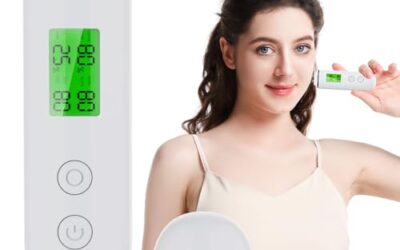
- Instant moisture and oil percentage readings in seconds
- Clear LCD screen makes results easy to read at a glance
- Built-in UV detection helps spot fluorescent agents in skincare products
- Stores up to eight test records to track daily skin changes
- Color-coded indicator lights give quick visual feedback
- Compact, lightweight design fits in a purse or travel bag
Best For / Avoid If
Best for buyers prioritizing
- Quick moisture and oil readings
- Clear LCD display
- Compact and portable
Consider another option if
- Accuracy questioned by reviewers
- Durability concerns reported

Pros
- Portable and easy to carry
- LED display for clear readings
- Measures moisture and oil
- Works for home and salon
- Simple, straightforward operation
Cons
- No clinical validation data included
- Moderate user rating only
- No detailed specifications listed
Detailed Review
What stands out in the currently available product data:
- Portable skin analyzer for on-the-go hydration and oil checks
- LED display provides clear digital readouts
- Measures both moisture and sebum for a fuller skin profile
- Suitable for home, salon, and spa use
- Compact design fits easily in a travel kit or treatment tray
- Simple tester format requires no complex setup

Pros
- Fast three-second readings
- Moisture and oil measurements
- Fast and accurate testing modes
- Compact travel-friendly design
- Gold-plated sensing probe
Cons
- Measures only the outermost skin layer
- No supplied app or data history
- Limited product-specific evidence provided
Specifications
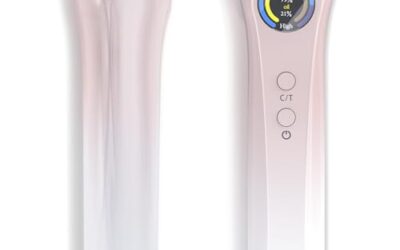
| Color | Pink |
|---|---|
| Dimensions | 6.4173228281 x 1.6535433054 x 1.7716535415 inches |
| Weight | 0.21605301676 pounds |
| Product Group | Beauty |
| Binding | Misc. |
Verify the current product variation before purchase; specifications may change.
Detailed Review
What stands out in the currently available product data:
- See moisture and oil readings to compare skincare changes
- Fast mode delivers results in approximately three seconds
- Accurate mode takes three measurements for added consistency
- Capacitive sensing detects changes on the skin surface
- Gold-plated probes support stable contact and corrosion resistance
- Compact, lightweight design works for home or travel
Best For / Avoid If
Best for buyers prioritizing
- Fast three-second readings
- Moisture and oil measurements
- Fast and accurate testing modes
Consider another option if
- Measures only the outermost skin layer
- No supplied app or data history
- Limited product-specific evidence provided
How to Read Moisture Numbers
Most devices show moisture as a percentage, often with a label like “dry,” “normal” or “hydrated.” Treat those labels as rough guides. What matters is whether your number goes up or down over time.
| Trend | What it may mean |
|---|---|
| Moisture rising after a new product | Product may be helping hydration |
| Moisture drops by afternoon | Skin loses water through the day; consider a richer moisturizer |
| High oil, low moisture | Skin may be dehydrated even if it looks shiny |
Why Readings Change
- Time of day: skin is often more hydrated in the morning.
- Products: right after moisturizing, readings jump.
- Weather and heating: dry air lowers readings.
- Pressure and contact: pressing harder can change the number.
How to Take Consistent Readings
- Same time each day.
- Wait 15–30 minutes after skincare.
- Same spots (forehead, cheek).
- Light, even pressure.
- Average three readings.
Picks
- LCHWRO Skin Moisture Tester: clear LCD.
- Dioche Moisture and Oil Analyzer: budget.
- Amifiy Hydration Tester: fast 3-second reading.
Related: best skin moisture meter with clear display and best compact hydration tracker.
Where This Explanation Comes From
This guide is based on how consumer skin moisture meters generally work. It isn’t a medical assessment.
FAQs
What is a good skin moisture reading?
It depends on the device. Track your own baseline.
Why does my reading change every time?
Pressure, spot and timing all affect it. Average several readings.
Can oily skin be dehydrated?
Yes. High oil and low moisture readings together suggest that.
Are these meters medical devices?
No. They’re for tracking trends.
Evidence and safety references
These references support the general technology and safety context. Product specifications can change; confirm the current manual and regulatory status before use.
Safety note: Beauty devices are not a substitute for diagnosis or treatment. Follow the device instructions and consult a qualified clinician if you have a skin condition, take photosensitizing medication, are pregnant, or are unsure whether a device is appropriate.