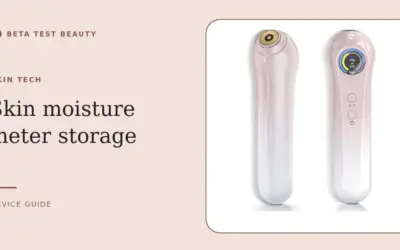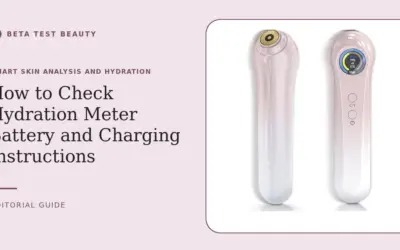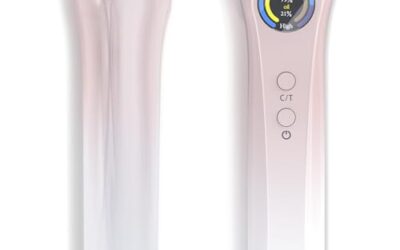

A skin moisture meter with clear display suits shoppers who want a repeatable way to compare hydration and oil readings across a skincare routine. The useful question is not which device produces the highest number, but which one makes consistent readings easy to collect and interpret.
This shortlist covers 3 compact meters from Amifiy, LCHWRO, and Dioche. Product information supplied for November 2026 identifies different strengths, from multi-measurement accuracy mode to historical memory and simple LED indicators. For broader device context, see the Smart Skin Analysis and Hydration category.

Pros
- Fast three-second readings
- Moisture and oil measurements
- Fast and accurate testing modes
- Compact travel-friendly design
- Gold-plated sensing probe
Cons
- Measures only the outermost skin layer
- No supplied app or data history
- Limited product-specific evidence provided
Specifications
| Color | Pink |
|---|---|
| Dimensions | 6.4173228281 x 1.6535433054 x 1.7716535415 inches |
| Weight | 0.21605301676 pounds |
| Product Group | Beauty |
| Binding | Misc. |
Verify the current product variation before purchase; specifications may change.
Detailed Review
What stands out in the currently available product data:
- See moisture and oil readings to compare skincare changes
- Fast mode delivers results in approximately three seconds
- Accurate mode takes three measurements for added consistency
- Capacitive sensing detects changes on the skin surface
- Gold-plated probes support stable contact and corrosion resistance
- Compact, lightweight design works for home or travel
Best For / Avoid If
Best for buyers prioritizing
- Fast three-second readings
- Moisture and oil measurements
- Fast and accurate testing modes
Consider another option if
- Measures only the outermost skin layer
- No supplied app or data history
- Limited product-specific evidence provided

Pros
- Quick moisture and oil readings
- Clear LCD display
- Compact and portable
- Useful fluorescent agent detection
- Stores eight test records
Cons
- Accuracy questioned by reviewers
- Durability concerns reported
Specifications
| Color | White |
|---|---|
| Product Group | Beauty |
| Binding | Misc. |
Verify the current product variation before purchase; specifications may change.
Detailed Review
What stands out in the currently available product data:
- Instant moisture and oil percentage readings in seconds
- Clear LCD screen makes results easy to read at a glance
- Built-in UV detection helps spot fluorescent agents in skincare products
- Stores up to eight test records to track daily skin changes
- Color-coded indicator lights give quick visual feedback
- Compact, lightweight design fits in a purse or travel bag
Best For / Avoid If
Best for buyers prioritizing
- Quick moisture and oil readings
- Clear LCD display
- Compact and portable
Consider another option if
- Accuracy questioned by reviewers
- Durability concerns reported

Pros
- Portable and easy to carry
- LED display for clear readings
- Measures moisture and oil
- Works for home and salon
- Simple, straightforward operation
Cons
- No clinical validation data included
- Moderate user rating only
- No detailed specifications listed
Detailed Review
What stands out in the currently available product data:
- Portable skin analyzer for on-the-go hydration and oil checks
- LED display provides clear digital readouts
- Measures both moisture and sebum for a fuller skin profile
- Suitable for home, salon, and spa use
- Compact design fits easily in a travel kit or treatment tray
- Simple tester format requires no complex setup
How to Choose a skin moisture meter with clear display
Display clarity and reading format
Display design changes how practical a meter feels during daily use. LCHWRO’s Professional Skin Moisture Tester uses a large LCD screen with percentage readings, while Dioche uses an LED indicator system for quick status recognition.
Amifiy’s Portable Skin Hydration Tester uses a TFT display and reports water and oil levels. Choose numeric readings when you want a personal log, or indicator-based feedback when fast decisions matter more than detailed comparison.
Measurement method and repeatability
These meters assess the outermost skin layer through sensor contact, so readings can shift with product residue, pressure, location, and timing. Treat results as personal trend data, not laboratory hydration percentages or a diagnosis.
Amifiy documents capacitive sensing, gold-plated probes, and normal repeated-measurement variation of plus or minus 10 percent. Its accurate mode runs three measurements per cycle, giving it a clearer protocol for users who prefer averaging over a single quick result.
Speed and measurement modes
Fast readings suit morning routines, travel, and comparisons before and after skincare. Amifiy states a 3-second result in fast mode, while its accurate mode takes three measurements per cycle.
LCHWRO describes readings within seconds and uses one-button operation. Dioche also provides quick moisture and oil analysis, but published information does not specify a timed result, so buyers should not assume identical speed.
Moisture and oil information
A moisture-only reading answers a narrower question than a combined moisture and oil reading. All three listed products are described as measuring both, which can help you compare different facial areas without relying on a single hydration number.
Use the oil result as a device-specific comparison, not as proof that skin is healthy, unhealthy, balanced, or damaged. Skincare residue can influence contact readings, so consistent cleansing and waiting conditions matter more than one unusually high result.
Memory and extra functions
LCHWRO stores eight sets of test records and includes fluorescent agent detection, plus red, yellow, and green reminder lights. Those additions create a stronger fit for users who want onboard history or a quick visual prompt.
Fluorescent agent detection should not be treated as a complete cosmetic safety assessment. Amifiy focuses on fast and accurate modes, while Dioche emphasizes multi-area facial readings, so extra functions should match your routine rather than decide it alone.
Testing routine and skin contact
For useful comparisons, measure the same areas at similar times, before applying skincare or after the same waiting interval. Forehead, cheeks, nose, and chin can differ naturally, making one mixed reading difficult to interpret.
Clean the probe according to manufacturer guidance, avoid pressing harder between readings, and record several results instead of chasing a preferred number. Do not use a meter on irritated, broken, or freshly treated skin, and stop if contact causes discomfort.
Portability, upkeep, and ownership
All three products are described as compact and portable, but published data does not establish battery life, charging method, water resistance, warranty length, or replacement-probe availability. Confirm those ownership details before purchase, especially if the device will travel frequently.
Keep the sensor clean and dry, store the device away from heat and humidity, and follow its supplied instructions. A clear display helps only when the probe remains clean and readings follow a consistent routine.
How We Prepared This Guide
Our comparison uses the published product descriptions, stated functions, named display types, and documented measurement modes. We separate manufacturer claims from editorial interpretation and avoid presenting these consumer meters as clinical instruments.
Important information remains unavailable, including warranty terms, battery details, app support, and independent validation. We therefore recommend each model for a specific use pattern rather than declaring one universal choice.
Final Thoughts
Best overall fit: Amifiy Portable Skin Hydration Tester Home Use combines moisture and oil readings with fast and accurate modes, a TFT display, capacitive sensing, and a stated three-measurement accurate cycle. Pros include protocol flexibility and portable design. Cons include no supplied battery, warranty, or independent accuracy details. Who should skip it: buyers wanting stored history or a simple traffic-light display.
Best value fit: Portable Skin Moisture & Oil Analyzer keeps the approach focused, with moisture and oil analysis, an LED indicator display, and multi-area facial use. Pros include straightforward operation and compact portability. Cons include fewer documented functions and no stated timed result. Who should skip it: users who need numeric percentage records or onboard history.
Best for specific use: Professional Skin Moisture Tester fits users who value a large LCD, eight stored records, fluorescent agent detection, and reminder lights. Pros include visible numeric data and memory. Cons include limited published detail about measurement protocol and independent validation. Who should skip it: shoppers wanting a documented multi-cycle accuracy mode.
Before buying, compare your preferred display style with your willingness to maintain a consistent routine. Readers considering more advanced visual analysis can also review skin hydration monitors under $300 and the smart skin analysis device guide.
FAQs
What is the strongest option among skin moisture meter with clear display picks in 2026?
Amifiy has the most detailed supplied measurement protocol, including fast and accurate modes and a stated three-measurement cycle. That makes it the strongest fit for users prioritizing repeatable routine data.
Are skin moisture meters accurate?
They can support personal trend tracking, but readings vary with skin location, residue, pressure, and timing. Do not treat consumer readings as clinical measurements or medical advice.
What does a skin moisture meter measure?
The listed products are described as measuring moisture and oil through a contact sensor. Their scales and response may differ, so compare changes on one device rather than ranking brands by raw numbers.
Can a meter show whether moisturizer works?
It may help compare readings before and after a consistent routine, but it cannot prove product effectiveness. Keep application amount, waiting time, location, and room conditions similar.
How often should you measure skin moisture?
Several consistent readings per week can reveal trends without encouraging constant interpretation. Daily measurement can work if timing and skin location remain consistent.
Why do readings change across my face?
Forehead, cheeks, nose, and chin naturally differ in oil, surface texture, and exposure to skincare. Measure each area separately and compare it with its own earlier readings.
Should I measure before or after skincare?
Choose one protocol and repeat it. Measuring before skincare usually reduces residue as a variable, while post-skincare readings can show short-term surface changes without proving deeper hydration.
How should I clean a skin moisture meter?
Follow the device instructions, keep the probe clean and dry, and avoid harsh products unless the manufacturer allows them. Do not share a probe on irritated or broken skin.
Does a clear display matter more than extra features?
For frequent use, yes. A readable display and repeatable routine usually create more useful information than extra functions you rarely use.
Evidence and safety references
These references support the general technology and safety context. Product specifications can change; confirm the current manual and regulatory status before use.
Safety note: Beauty devices are not a substitute for diagnosis or treatment. Follow the device instructions and consult a qualified clinician if you have a skin condition, take photosensitizing medication, are pregnant, or are unsure whether a device is appropriate.