
Skincare residue can affect a skin hydration reading by changing contact between the sensor and skin or leaving moisture and oils on the surface. If you use a home meter to compare readings over time, consistent preparation matters more than a single result.
This guide explains how to prepare skin, take repeatable readings, and judge what a handheld device can reasonably tell you. For cleaning and storage considerations, see our guide to caring for skin hydration monitors.

Pros
- Fast three-second readings
- Moisture and oil measurements
- Fast and accurate testing modes
- Compact travel-friendly design
- Gold-plated sensing probe
Cons
- Measures only the outermost skin layer
- No supplied app or data history
- Limited product-specific evidence provided
Specifications
| Color | Pink |
|---|---|
| Dimensions | 6.4173228281 x 1.6535433054 x 1.7716535415 inches |
| Weight | 0.21605301676 pounds |
| Product Group | Beauty |
| Binding | Misc. |
Verify the current product variation before purchase; specifications may change.
Detailed Review
What stands out in the currently available product data:
- See moisture and oil readings to compare skincare changes
- Fast mode delivers results in approximately three seconds
- Accurate mode takes three measurements for added consistency
- Capacitive sensing detects changes on the skin surface
- Gold-plated probes support stable contact and corrosion resistance
- Compact, lightweight design works for home or travel
Best For / Avoid If
Best for buyers prioritizing
- Fast three-second readings
- Moisture and oil measurements
- Fast and accurate testing modes
Consider another option if
- Measures only the outermost skin layer
- No supplied app or data history
- Limited product-specific evidence provided
1. Know what the device measures
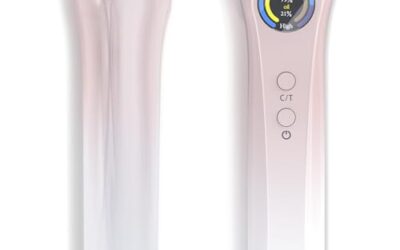
The Amifiy Portable Skin Hydration Tester Home Use is described as a capacitive sensor that reads water and oil levels at the skin’s outermost layer. That makes its result a surface reading, not a direct measurement of whole-body hydration or a diagnosis.
The manufacturer says readings can vary by about 10% during repeated measurements. Treat small changes as possible measurement variation, especially when comparing different skin sites, preparation routines, or times of day.
2. Remove products without over-cleansing
Moisturizers, facial oils, sunscreen, makeup, and cleansing residue can leave material between the probe and skin. A fresh layer may affect sensor contact or surface conditions, making a reading difficult to compare with one taken on clean, bare skin.
Before measuring, gently cleanse the chosen area with a familiar cleanser, rinse thoroughly, and pat dry with a clean towel. Avoid scrubbing or using a new exfoliant just to prepare for a reading, since irritation can change the condition of the surface.
3. Allow skin to settle after washing
Water left on skin can be mistaken for a change in hydration, while washing itself can temporarily alter the surface. Wait until the area is fully dry and no longer feels freshly wet before placing the probe.
Use the same waiting routine each time rather than chasing a particular number of minutes. If your goal is to compare conditions before and after skincare, record the timing and products used so the two readings have clear context.
4. Keep site and contact consistent
Different facial areas naturally vary in oiliness and surface condition. Choose one specific, intact area and return to it for each comparison; do not treat a forehead reading as directly interchangeable with a cheek reading.
Follow the device instructions for probe placement and pressure. Keep contact steady and avoid sliding the sensor, pressing harder to force a result, or measuring over hair, visible product, broken skin, or an area that feels irritated.
5. Use modes and repeats consistently
Amifiy lists fast and accurate modes. Its product information describes fast mode as a three-second test and accurate mode as three measurements per cycle; use the same mode when comparing readings.
Taking several readings can help reveal whether one result is an outlier, but repeated checks do not establish clinical accuracy. Record the displayed values, measurement site, mode, and preparation rather than selecting only the reading that supports your expectation.
6. Interpret trends, not isolated numbers
A home meter can support a consistent personal routine, but published product information does not establish a validated threshold for healthy skin or prove that a particular reading predicts skin-barrier health. Do not use its number to diagnose a condition or decide that a skincare product is medically necessary.
For more useful comparisons, measure under similar conditions across several sessions and note relevant changes, such as recent cleansing or moisturizer use. If readings fluctuate despite consistent technique, consider whether the device’s repeatability is adequate for your intended use.
7. Check cleaning, comfort, and ownership needs
The product description lists gold-plated probes and a portable design, but it does not provide detailed cleaning instructions, battery-life information, warranty terms, or long-term validation data. Check the manual or seller documentation for care instructions before using cleaners or liquids on the sensor.
Stop if contact causes discomfort, and do not use a device on damaged or irritated skin. For persistent skin concerns, ask a qualified professional rather than relying on a consumer moisture meter to guide care.
Why You Should Trust Us
We assessed the published product details against practical measurement principles, including consistent preparation, contact, site selection, and interpretation. We distinguish manufacturer-described functions from conclusions the available information cannot support.
We did not physically test this device, verify its accuracy independently, or confirm its warranty and maintenance terms. Our guidance therefore focuses on reducing avoidable variation and setting realistic expectations, not promising a specific result.
Final Thoughts
Amifiy Portable Skin Hydration Tester Home Use is the only listed product, so it is the overall and specific-use option in this comparison, not a proven category winner. Its two modes, portable format, and stated water-and-oil readings may suit someone who wants a simple way to log surface readings.
It is also the value option only for buyers who will use those features and accept the evidence limits. The published details do not establish independent accuracy, ongoing costs, battery life, or warranty coverage, so confirm ownership terms before purchase and skip it if you need diagnostic guidance.
For broader context, browse our smart skin analysis and hydration coverage or our skin hydration monitor guide. The most defensible use is consistent tracking under repeatable conditions, not treating one reading as a verdict on your skin.
FAQs
Can moisturizer change a skin hydration meter reading?
It can affect the surface and sensor contact, making results harder to compare with readings taken on bare skin. Cleanse gently, dry the area, and use the same preparation routine each time.
Should I measure before or after applying skincare?
For a repeatable baseline, measure on clean, dry skin before applying products. If you want to observe a post-product change, record the product and timing, and do not compare it as though conditions were identical.
How long should I wait after washing my face?
The published product details do not specify a waiting interval. Wait until skin is fully dry and use the same routine each session, rather than relying on an unsupported universal time.
Does sunscreen affect a hydration reading?
Sunscreen leaves a surface layer, so a reading taken over it may not match one taken on clean skin. For baseline tracking, measure before application or cleanse first and follow a consistent routine.
Why do readings vary when I repeat the test?
Placement, contact, skin site, residue, and surface moisture can all differ between attempts. Amifiy’s published information says about 10% variation is considered normal for repeated measurements, so interpret modest shifts cautiously.
Is accurate mode more reliable than fast mode?
The product description says accurate mode runs three measurements per cycle, while fast mode returns a result in three seconds. It does not provide independent validation showing that either mode is clinically accurate.
Can a home hydration meter diagnose dry skin?
No available evidence supports using this device to diagnose a skin condition. Treat readings as consumer tracking data, and seek professional advice for persistent discomfort or concerns.
How should I clean the probe?
Follow the device manual or manufacturer guidance because the published information does not specify a cleaning method. Our skin hydration monitor care guide covers general cleaning and storage considerations.
Evidence and safety references
These references support the general technology and safety context. Product specifications can change; confirm the current manual and regulatory status before use.
Safety note: Beauty devices are not a substitute for diagnosis or treatment. Follow the device instructions and consult a qualified clinician if you have a skin condition, take photosensitizing medication, are pregnant, or are unsure whether a device is appropriate.