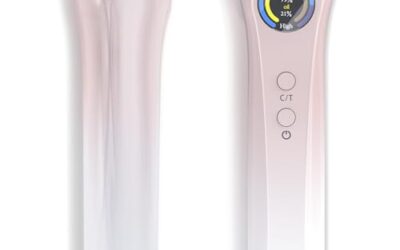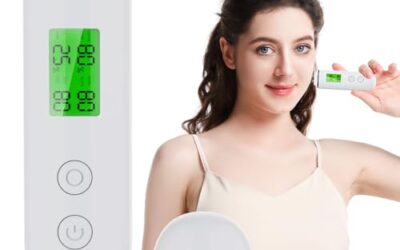

For shoppers building repeatable skincare routines, the best facial imaging device for home routines should make observation easier without pretending to replace professional assessment. Useful value comes from clear imaging, simple operation, compatible routine habits, and honest limits around what home technology can interpret.
This category needs careful reading because supplied product information describes the Kdune device mainly as a multifunction facial massager with red light, hot and cold compress, vibration, and microcurrent functions. For broader context, see our guide to skin analysis device features that matter.

Pros
- Multiple treatment modes in one device
- Affordable entry point for face sculpting
- Visible results with regular use
- Heat and cool options for versatile care
- Compact and travel-friendly
Cons
- Microcurrent not adjustable in strength
- Red light strip is small and focused
- No adjustable intensity for microcurrent
Specifications
| Color | White |
|---|---|
| Size | Product Dimensions: 6.0in × 3.2in × 1.6in |
| Dimensions | 5.98 x 3.18 x 1.57 inches |
| Weight | 0.65625 pounds |
| Product Group | Beauty |
Verify the current product variation before purchase; specifications may change.
Detailed Review
What stands out in the currently available product data:
- 7-in-1 functionality with microcurrent, red light, heat, cold, and vibration
- Targeted red light strip focuses care where the tool touches skin
- Hot compress for warmth and relaxation, cold compress for depuffing
- Violet and white microcurrent modes for gentle or stronger lifting
- USB-C rechargeable with over a week of daily use per charge
- Designed for face, neck, and jawline contouring
Best For / Avoid If
Best for buyers prioritizing
- Multiple treatment modes in one device
- Affordable entry point for face sculpting
- Visible results with regular use
Consider another option if
- Microcurrent not adjustable in strength
- Red light strip is small and focused
- No adjustable intensity for microcurrent
Start with imaging, not feature count
A true facial imaging device should capture repeatable images under controlled lighting, distance, and positioning. Without consistency, changes may reflect room conditions or camera angle rather than skin appearance.
The supplied information does not document camera hardware, imaging modes, app analysis, image storage, or hydration sensors for the Kdune device. Treat its red light and massage functions as separate features, not proof of facial imaging capability.
Define what “analysis” means
Some products display magnified images, while others apply software labels for visible characteristics. These functions differ sharply in evidence quality, repeatability, privacy exposure, and usefulness for routine decisions.
Before buying, check whether the device records images, explains its scoring method, exports data, or requires an account. A polished interface cannot establish that software interpretation is clinically validated.
Separate imaging from treatment
The Kdune 7-in-1 Microcurrent Facial Device is presented as a treatment-oriented tool, with seven LED light modes, hot and cold compress, vibration, and microcurrent. Those functions may add routine interest, but they do not automatically create a skin analysis workflow.
Choose a multifunction device when massage or light features matter alongside observation. Choose dedicated imaging hardware when your main goal is tracking visible changes under repeatable conditions.
Check routine protocol and comfort
A home device must fit a routine you can repeat. The product description suggests morning depuffing and evening relaxation, but it does not supply complete session timing, intensity controls, charging details, or battery duration.
Look for clear instructions covering clean skin, conductive medium requirements, movement direction, treatment frequency, and cleaning. Hot and cold contact can also affect comfort, especially around sensitive areas or when skin is already irritated.
Review safety and compatibility
Microcurrent and light-based functions need more caution than a passive mirror or camera. Follow manufacturer instructions, avoid use over damaged or inflamed skin, and seek professional advice when you have a relevant medical condition, implanted electronic device, or prescribed treatment.
Eye comfort matters with LED modes, while conductive products can create compatibility questions. Patch-test topical products separately, stop when discomfort develops, and avoid treating professional guidance as optional for uncertain conditions.
Consider privacy and maintenance
Imaging devices may handle face photographs, measurements, or routine histories. Confirm where data remains, whether an app is required, what permissions it requests, and whether account deletion removes stored images.
For a treatment device, maintenance includes wiping contact surfaces, charging, storing the unit dry, and replacing compatible consumables when required. The supplied data does not document Kdune app requirements, warranty terms, or replacement costs, so verify those details before purchase.
Match price to the actual job
A lower-cost multifunction device can make sense when your priority is occasional massage, warming, cooling, vibration, or light-based routine support. It makes less sense when you expect quantified hydration tracking, image comparisons, or software-guided personalization.
Use a simple decision test: name your primary output, then list features needed to produce it. If the output is “more consistent visual checks,” prioritize imaging controls and data handling; if it is “a relaxing facial ritual,” comfort and simple treatment operation matter more.
Our related guide to app-connected skin analysis devices helps separate connected measurement from devices that use apps mainly for instructions or record keeping.
Why You Should Trust Us
Our assessment separates supplied product facts from editorial interpretation. We use the listed functions, stated use cases, available product information, and category-level buying criteria without claiming physical testing or unsupported clinical outcomes.
Missing specifications remain missing. When documentation does not establish imaging hardware, app analysis, treatment settings, warranty coverage, or battery performance, we treat those gaps as purchase checks rather than filling them with assumptions.
Final Thoughts
Best overall fit among the supplied option goes to 7-in-1 Microcurrent Facial Device for shoppers seeking a broad facial routine tool rather than a dedicated imaging system. Its listed combination of microcurrent, seven LED modes, hot and cold compress, and vibration creates more routine flexibility than a single-function massager.
Best value fit also goes to 7-in-1 Microcurrent Facial Device when one device must cover relaxation and basic treatment variety. Value weakens if your nonnegotiable need is documented facial imaging, hydration measurement, app analysis, or long-term data tracking, because supplied information does not confirm those functions.
Best specific-use choice is 7-in-1 Microcurrent Facial Device for morning depuffing or evening comfort rituals, based on the stated use cases. Skip it for diagnostic decisions, treatment of a skin condition, or professional-grade monitoring, and consider a dedicated imaging product instead. The Smart Skin Analysis and Hydration category offers broader category guidance.
FAQs
What is the best facial imaging device for home routines in 2026?
The supplied option is primarily described as a multifunction facial treatment device, not a confirmed imaging system. Choose it only when massage and light features matter more than documented image analysis.
Does the Kdune device analyze facial skin?
Supplied information does not confirm camera-based analysis, hydration measurement, software scoring, or image tracking. Verify current documentation before treating it as a facial imaging device.
What functions does the Kdune device list?
The listed functions include microcurrent, seven LED light modes, hot and cold compress, and vibration for face, neck, and jaw routines.
Can facial imaging replace professional skin advice?
No. Home images can support personal observation, but they cannot establish a diagnosis or determine suitable treatment for a medical skin concern.
Should you patch-test before using a facial device?
Patch-test topical products separately and follow device instructions. Stop use when burning, persistent redness, swelling, or other concerning discomfort appears.
Who should ask a professional before using microcurrent?
Ask a qualified professional when you have an implanted electronic device, relevant medical condition, active skin concern, or prescribed treatment that could affect device use.
Does more facial device technology mean better results?
No. More modes increase flexibility, but clear instructions, comfortable use, appropriate safety limits, and routine consistency often matter more.
What should you check before buying an imaging device?
Check image consistency, analysis claims, app requirements, privacy controls, warranty, charging, cleaning, replacement costs, and documented contraindications. The smart beauty device personalization guide adds useful comparison criteria.
Evidence and safety references
These references support the general technology and safety context. Product specifications can change; confirm the current manual and regulatory status before use.
Safety note: Beauty devices are not a substitute for diagnosis or treatment. Follow the device instructions and consult a qualified clinician if you have a skin condition, take photosensitizing medication, are pregnant, or are unsure whether a device is appropriate.