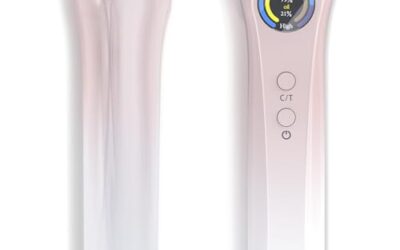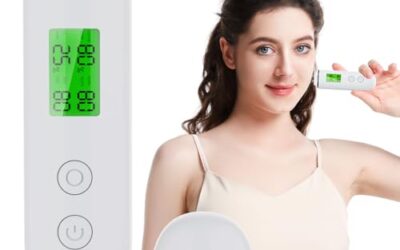

A home skin hydration meter can offer a quick, repeatable snapshot of surface readings. It cannot diagnose a skin condition, measure hydration throughout the body, or explain why a number changed.
That distinction matters if you are deciding whether to change products or buy a monitor. This guide explains what readings can support, what they leave unanswered, and how to interpret an at-home device without treating its display as a clinical assessment. For related device care, see our guide to cleaning and storing skin hydration monitors.

Pros
- Fast three-second readings
- Moisture and oil measurements
- Fast and accurate testing modes
- Compact travel-friendly design
- Gold-plated sensing probe
Cons
- Measures only the outermost skin layer
- No supplied app or data history
- Limited product-specific evidence provided
Specifications
| Color | Pink |
|---|---|
| Dimensions | 6.4173228281 x 1.6535433054 x 1.7716535415 inches |
| Weight | 0.21605301676 pounds |
| Product Group | Beauty |
| Binding | Misc. |
Verify the current product variation before purchase; specifications may change.
Detailed Review
What stands out in the currently available product data:
- See moisture and oil readings to compare skincare changes
- Fast mode delivers results in approximately three seconds
- Accurate mode takes three measurements for added consistency
- Capacitive sensing detects changes on the skin surface
- Gold-plated probes support stable contact and corrosion resistance
- Compact, lightweight design works for home or travel
Best For / Avoid If
Best for buyers prioritizing
- Fast three-second readings
- Moisture and oil measurements
- Fast and accurate testing modes
Consider another option if
- Measures only the outermost skin layer
- No supplied app or data history
- Limited product-specific evidence provided
What can a home skin hydration meter not tell you?
It cannot diagnose the reason for dryness
A low reading does not identify a cause. Weather, washing, recent product use, measurement location, and how the device contacts skin may all affect a surface reading.
It cannot distinguish routine dryness from irritation or another concern that needs professional attention. Treat the number as one observation, not a diagnosis or a reason to start or stop treatment.
It does not measure whole-body hydration
These devices assess skin at the probe contact point. A reading on your cheek does not establish hydration levels elsewhere, and it does not tell you whether you are drinking enough fluids.
Nor does a surface measurement describe every layer of skin. The Amifiy product description says its capacitive sensor detects changes in the outermost skin layer; that scope is narrower than a complete assessment of skin health.
It cannot prove that a product works
A higher reading after moisturizer may suggest a short-term surface change under those measurement conditions. It does not establish that a product caused the change, improved skin over time, or will work the same way for another person.
To compare products more fairly, keep your routine, location, timing, and measurement method consistent. Even then, readings describe the device’s output, not a controlled product trial or a clinical result.
Repeatability is not the same as accuracy
Amifiy describes capacitive sensing, gold-plated probes, fast and accurate modes, and a three-measurement cycle in accurate mode. Its listing also says repeated measurements may vary by plus or minus 10 percent.
Those are manufacturer-provided details, not independent validation. A device can produce a consistent reading without proving that its number matches a laboratory instrument or a universal clinical standard.
It cannot remove measurement variability
Small changes in placement, pressure, contact, or the condition of the skin can complicate comparisons. A reading taken on one area should not be compared casually with a reading from another.
For a useful personal trend, choose one site and use the same preparation and routine each time. Take repeated readings as the instructions allow, and avoid interpreting a single small fluctuation as meaningful change.
It cannot tell you what setting to change
A meter may show water or oil-related values, but the display alone cannot prescribe a skincare routine. It cannot decide which ingredients suit you, whether a product is irritating, or whether a change is appropriate for your skin.
Use readings as optional context alongside comfort, visible changes, and product directions. If persistent irritation or another concerning change appears, stop experimenting and ask a qualified health professional for advice.
How to choose and use a home meter
Prioritize a clear measurement method
Before buying, look for an explanation of what the device measures, where it measures, and how to repeat a reading. A screen with several numbers is not automatically more informative if the scale and its limits are unclear.
Amifiy advertises a three-second fast mode and an accurate mode that runs three measurements per cycle. That offers a choice between speed and a multi-reading process, but the published product information does not establish independent accuracy.
Make consistency part of the routine
Use the same skin area, device mode, and timing for comparisons. Follow the manufacturer’s instructions for preparation and probe contact, since inconsistent technique can make a trend harder to interpret.
Record readings with brief notes about recent washing, skincare, or unusual environmental conditions. Those notes will not prove a cause, but they can help you recognize when two measurements were taken under different circumstances.
Choose based on useful features, not promises
A portable design, display, and separate modes may suit someone who wants quick personal comparisons. Amifiy’s listing describes a compact device for home or travel and a TFT display, but does not provide enough published information to assess battery life or long-term durability.
Do not pay extra solely for claims such as “high accuracy” without supporting validation details. If you mainly need guidance on ongoing skin concerns, a consumer meter may add numbers without answering the question you actually have.
Keep hygiene and skin comfort in view
Follow the manufacturer’s cleaning and storage directions, and avoid sharing a probe without appropriate cleaning guidance. Do not press harder or repeat measurements excessively to chase a preferred result.
Do not use a device on broken or irritated skin unless its instructions explicitly allow it. If contact causes discomfort, stop; persistent or worsening symptoms call for professional advice rather than more measurements.
Why You Should Trust Us
Our assessment separates product details supplied by the manufacturer from conclusions those details can support. We do not present a product listing as independent testing, clinical evidence, or proof that a device can diagnose a concern.
We focus on measurement scope, repeatability claims, practical use, and unanswered questions such as independent validation and long-term reliability. Where product data is limited, we say so rather than filling gaps with invented specifications or outcomes.
Final Thoughts
Amifiy Portable Skin Hydration Tester Home Use is the only product in this comparison, so it is the overall and use-specific option here, not a winner established against competing devices. Its described fast and multi-measurement modes may appeal to someone tracking surface readings as part of a consistent routine.
We cannot name a distinct best-value pick from a one-product selection, and the available information does not establish how its readings compare with independent instruments. Consider it only if you understand that limitation and want a personal tracking aid, not a diagnostic tool.
For broader context, browse our Smart Skin Analysis and Hydration category and guide to skin hydration monitors. If a reading conflicts with how your skin feels or a persistent concern develops, prioritize professional guidance over a device display.
FAQs
What does a home skin hydration meter measure?
It provides a reading from the skin area touching its sensor, according to its measurement method. It does not assess whole-body hydration or provide a complete evaluation of skin health.
Can a skin hydration meter diagnose dry skin?
No. A reading cannot identify the cause of dryness or diagnose a condition. Persistent symptoms or concerns warrant advice from a qualified health professional.
Can it show whether moisturizer is working?
It may show a reading change after use, but that does not prove the product caused the change or establish lasting benefit. Consistent measurement conditions make personal comparisons more useful, not conclusive.
Why do readings change between tests?
Contact, placement, skin preparation, location, and ordinary device variation can affect results. Amifiy’s product information acknowledges variation across repeated measurements, so avoid overinterpreting small differences.
How often should I use a home hydration meter?
Follow the device instructions and choose a schedule that does not encourage constant checking. Consistent, occasional comparisons are more practical than repeatedly measuring to chase short-term changes.
Are capacitive skin meters clinically accurate?
Capacitive sensing describes a measurement approach; it does not by itself prove clinical accuracy. Look for independent validation relevant to the specific device before treating its numbers as more than personal tracking data.
What can a home skin hydration meter not tell you about skin oil?
A displayed oil-related reading cannot, by itself, explain why skin feels oily or identify a suitable routine. Treat it as a device output and consider comfort, product directions, and professional guidance when concerns persist.
Should I replace a meter when readings vary?
First check the instructions, probe cleanliness, contact technique, and consistency of measurement location. If readings remain erratic despite consistent use, consult the manufacturer about troubleshooting or replacement; do not assume one unusual result proves device failure.
Evidence and safety references
These references support the general technology and safety context. Product specifications can change; confirm the current manual and regulatory status before use.
Safety note: Beauty devices are not a substitute for diagnosis or treatment. Follow the device instructions and consult a qualified clinician if you have a skin condition, take photosensitizing medication, are pregnant, or are unsure whether a device is appropriate.