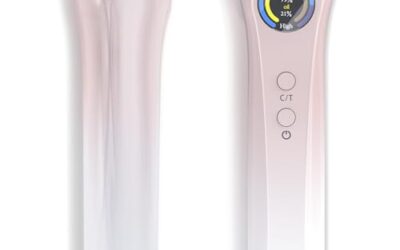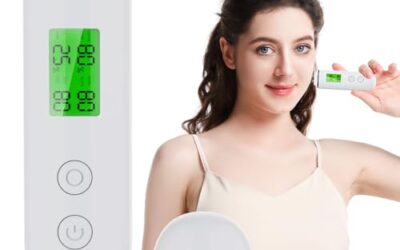

Travel changes skincare routines, while dry cabins, unfamiliar water, heat, and sunscreen create new variables. The best portable skin analyzer for travel should offer useful readings without adding bulky equipment or complicated setup.
This comparison covers 2 compact devices from Dioche and ProPMUMicroblading. For broader buying context, see our guide to skin analysis device features that matter, especially if you need more than basic spot checks.

Pros
- Accurate Fitzpatrick skin type classification
- Portable and lightweight design
- Easy to use for professionals
- Includes batteries for immediate use
- Compact for travel and storage
Cons
- Non-rechargeable sealed battery unit
- Fragile test window requires careful handling
- Not waterproof for wet environments
Specifications
| Package Dimensions | 6.22 x 2.01 x 1.26 inches; 3.21 ounces |
|---|---|
| Batteries | 1 C batteries required. (included) |
| UPC | 715748675518 |
| Manufacturer | PMUBEAUTY |
| ASIN | B0C772RJ33 |
| Best Sellers Rank | #226,495 in Beauty & Personal Care (See Top 100 in Beauty & Personal Care) #6 in Skin Moisture Analyzers |
| Customer Reviews | 4.3 4.3 out of 5 stars (20) |
Verify the current product variation before purchase; specifications may change.
Detailed Review
What stands out in the currently available product data:
- Accurately classifies skin types using the Fitzpatrick scale for precise color matching in permanent makeup
- Portable and lightweight design allows easy carry for on-the-go consultations and client demonstrations
- Automatic testing system provides quick and reliable skin tone readings without manual guesswork
- Supports six skin types from pale to deeply pigmented, ensuring broad compatibility for diverse clients
- Includes C batteries for immediate use, eliminating the need for separate power source purchases
- Compact size fits easily into a beauty kit or professional tool bag for salon and home use
Best For / Avoid If
Best for buyers prioritizing
- Accurate Fitzpatrick skin type classification
- Portable and lightweight design
- Easy to use for professionals
Consider another option if
- Non-rechargeable sealed battery unit
- Fragile test window requires careful handling
- Not waterproof for wet environments

Pros
- Portable and easy to carry
- LED display for clear readings
- Measures moisture and oil
- Works for home and salon
- Simple, straightforward operation
Cons
- No clinical validation data included
- Moderate user rating only
- No detailed specifications listed
Detailed Review
What stands out in the currently available product data:
- Portable skin analyzer for on-the-go hydration and oil checks
- LED display provides clear digital readouts
- Measures both moisture and sebum for a fuller skin profile
- Suitable for home, salon, and spa use
- Compact design fits easily in a travel kit or treatment tray
- Simple tester format requires no complex setup
Buying Guide for best portable skin analyzer for travel
Measurement Purpose
Start with the decision you want the device to support, because portable analyzers do not all assess the same skin variables.
The Portable Skin Moisture & Oil Analyzer focuses on moisture and sebum readings, making it more relevant for routine hydration checks. The Smart Skin Analyzer, Portable Skin Color Tester centers on skin color assessment and describes Fitzpatrick skin-type use for beauty care.
Neither description establishes diagnostic accuracy, medical validation, or professional-grade measurement consistency. Treat readings as personal reference points, not clinical conclusions or automatic treatment instructions.
Travel Size and Handling
Portability matters most when a device stays in a toiletry case and remains easy to use between flights, hotel stays, or short trips.
Both listed products are described as portable, but supplied data does not provide dimensions, weight, battery details, charging method, or included case information.
That missing information creates a practical ownership question: confirm storage, power, and cleaning requirements before purchase. A compact body helps only when the device also survives repeated packing and unpacking.
Reading Consistency
Repeatability matters more than a single impressive number, particularly when travel conditions change your skin from day to day.
Use consistent areas, clean and dry skin, similar lighting, and similar timing after cleansing. Record readings alongside climate, products, and travel activity so trends have useful context.
Do not compare moisture or oil values across unrelated devices as though they share one measurement scale. A reading can support routine observation while still lacking enough evidence for product or treatment decisions.
Skin Tone and Fitzpatrick Use
The ProPMUMicroblading model deserves closer attention when skin color classification is your main travel use case.
Its supplied description references the Fitzpatrick skin types scale and color selection for permanent makeup. That positioning may suit beauty professionals or users documenting tone, but it does not prove suitability for every cosmetic procedure.
Skin-type classification can vary with tanning, lighting, and interpretation. If you plan laser, IPL, pigment work, or another procedure, follow professional guidance rather than relying on a handheld analyzer alone.
Maintenance, Hygiene, and Safety
A travel analyzer touches skin, so cleaning and storage deserve the same attention as measurement features.
Supplied product data does not state sensor-cleaning instructions, water resistance, replacement parts, calibration requirements, or warranty coverage. Those omissions limit any confident judgment about long-term ownership cost.
Keep contact surfaces clean, avoid sharing without appropriate sanitation, and follow manufacturer instructions. Patch-test skincare products separately, and ask a qualified professional about persistent irritation, unusual pigmentation, or procedure-related concerns.
Why You Should Trust Us
Our comparison uses supplied product descriptions, stated use cases, listed brand information, and the limits of available specifications. We separate documented features from editorial interpretation and avoid treating retail ratings as clinical evidence.
We also account for missing information, including dimensions, power details, calibration, warranty, and measurement validation. Readers should verify current manuals and seller documentation before purchase, particularly when a reading could influence a cosmetic procedure.
Final Thoughts
Best overall fit goes to Portable Skin Moisture & Oil Analyzer for travelers who want straightforward moisture and sebum observations. Its stated purpose matches everyday hydration tracking more closely than color classification, though the available data does not confirm battery life, calibration, or warranty.
Best value fit also belongs to Portable Skin Moisture & Oil Analyzer when your needs remain narrow and routine-focused. Choose it for simple reference checks, not for diagnosing skin conditions or directing professional treatments.
Best for specific use is Smart Skin Analyzer, Portable Skin Color Tester when skin-tone assessment and Fitzpatrick-related beauty work matter more than hydration tracking. Users considering a broader connected system should review our guide to app-connected skin analysis devices before choosing a basic handheld tool.
FAQs
What is the best portable skin analyzer for travel in 2026?
The right choice depends on your target reading. The Dioche model suits moisture and oil observation, while the ProPMUMicroblading model better matches skin-color assessment.
Can a portable skin analyzer diagnose skin problems?
No supplied evidence supports diagnostic use. Treat readings as informal tracking information and seek professional advice for persistent or concerning changes.
Which device measures skin hydration?
The Portable Skin Moisture & Oil Analyzer is described for facial moisture and sebum readings. Available data does not establish clinical measurement accuracy.
Which portable analyzer supports skin-tone assessment?
The Smart Skin Analyzer, Portable Skin Color Tester is described for skin-color testing and Fitzpatrick skin-type use in beauty care.
Can these analyzers guide IPL or laser treatments?
Do not rely on either device as the sole basis for IPL or laser decisions. Follow device instructions and consult a qualified professional when skin type, tanning, medications, or contraindications create uncertainty.
How should you use a skin analyzer while traveling?
Use clean, dry skin and repeat measurements under similar conditions. Avoid comparing readings taken immediately after exercise, cleansing, heavy skincare, or major climate changes.
Do portable skin analyzers need calibration?
The supplied information does not state calibration procedures for either product. Check current manufacturer documentation before assuming readings remain consistent over time.
Are portable skin analyzers useful for professional beauty work?
The ProPMUMicroblading description references permanent makeup color selection, but that claim does not establish professional certification or procedure safety. Professionals should follow workplace standards and manufacturer guidance.
Evidence and safety references
These references support the general technology and safety context. Product specifications can change; confirm the current manual and regulatory status before use.
Safety note: Beauty devices are not a substitute for diagnosis or treatment. Follow the device instructions and consult a qualified clinician if you have a skin condition, take photosensitizing medication, are pregnant, or are unsure whether a device is appropriate.