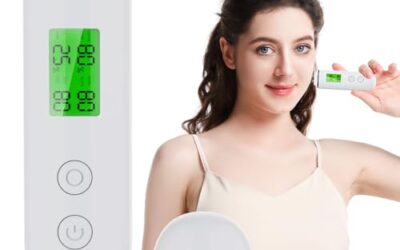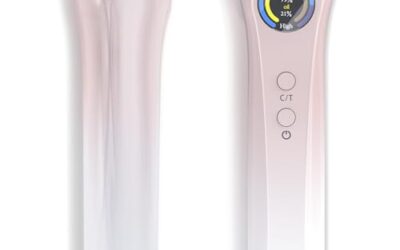

How to clean and store skin hydration monitors after the holidays matters because residue, damp storage, and inconsistent contact can distort future readings. A careful reset protects sensor surfaces and creates a repeatable routine for skincare tracking.
This guide covers 3 compact monitors from Amifiy, LCHWRO, and Dioche, with attention to probe care, display controls, batteries, storage conditions, and realistic interpretation. For broader category context, see the Smart Skin Analysis and Hydration category.

Pros
- Fast three-second readings
- Moisture and oil measurements
- Fast and accurate testing modes
- Compact travel-friendly design
- Gold-plated sensing probe
Cons
- Measures only the outermost skin layer
- No supplied app or data history
- Limited product-specific evidence provided
Specifications
| Color | Pink |
|---|---|
| Dimensions | 6.4173228281 x 1.6535433054 x 1.7716535415 inches |
| Weight | 0.21605301676 pounds |
| Product Group | Beauty |
| Binding | Misc. |
Verify the current product variation before purchase; specifications may change.
Detailed Review
What stands out in the currently available product data:
- See moisture and oil readings to compare skincare changes
- Fast mode delivers results in approximately three seconds
- Accurate mode takes three measurements for added consistency
- Capacitive sensing detects changes on the skin surface
- Gold-plated probes support stable contact and corrosion resistance
- Compact, lightweight design works for home or travel
Best For / Avoid If
Best for buyers prioritizing
- Fast three-second readings
- Moisture and oil measurements
- Fast and accurate testing modes
Consider another option if
- Measures only the outermost skin layer
- No supplied app or data history
- Limited product-specific evidence provided

Pros
- Quick moisture and oil readings
- Clear LCD display
- Compact and portable
- Useful fluorescent agent detection
- Stores eight test records
Cons
- Accuracy questioned by reviewers
- Durability concerns reported
Specifications
| Color | White |
|---|---|
| Product Group | Beauty |
| Binding | Misc. |
Verify the current product variation before purchase; specifications may change.
Detailed Review
What stands out in the currently available product data:
- Instant moisture and oil percentage readings in seconds
- Clear LCD screen makes results easy to read at a glance
- Built-in UV detection helps spot fluorescent agents in skincare products
- Stores up to eight test records to track daily skin changes
- Color-coded indicator lights give quick visual feedback
- Compact, lightweight design fits in a purse or travel bag
Best For / Avoid If
Best for buyers prioritizing
- Quick moisture and oil readings
- Clear LCD display
- Compact and portable
Consider another option if
- Accuracy questioned by reviewers
- Durability concerns reported

Pros
- Portable and easy to carry
- LED display for clear readings
- Measures moisture and oil
- Works for home and salon
- Simple, straightforward operation
Cons
- No clinical validation data included
- Moderate user rating only
- No detailed specifications listed
Detailed Review
What stands out in the currently available product data:
- Portable skin analyzer for on-the-go hydration and oil checks
- LED display provides clear digital readouts
- Measures both moisture and sebum for a fuller skin profile
- Suitable for home, salon, and spa use
- Compact design fits easily in a travel kit or treatment tray
- Simple tester format requires no complex setup
Clean the probe before storage
Begin with a powered-off device and remove visible skincare residue using a soft, dry, lint-free cloth. Focus on the sensing probe without pressing hard, scratching plated surfaces, or pushing debris toward seams.
Do not immerse a handheld monitor, pour liquid over it, or apply household cleaner unless its manual specifically permits that method. For stubborn residue, use a barely damp cloth around the contact area, then dry the surface completely.
Separate skin residue from product residue
Oil, moisturizer, sunscreen, and cleansing balm can leave different films on a sensor. A device that feels clean may still carry an invisible layer that changes contact with skin during later measurements.
Use the same gentle cleaning method after each session, especially when measuring after skincare application. For fluorescent-agent detection features, residue deserves extra attention because leftover product can confuse what the next reading represents.
Dry the monitor before packing it away
Storage should begin only after the probe, casing, buttons, and display area are dry. Trapped moisture inside a pouch can encourage corrosion, cloud displays, or create unreliable contact when the monitor returns to use.
Leave the device in a clean, ventilated area for a short period after wiping. Avoid hair dryers, radiators, direct sunlight, and other heat sources that can stress plastic, adhesives, batteries, or display components.
Check batteries and power behavior
Holiday storage becomes easier when you inspect the battery compartment before closing the device away. If the monitor uses replaceable batteries, follow its manual for removal during extended storage, especially when leakage could damage contacts.
Do not assume every compact monitor uses the same charging or battery system. Check for corrosion, loose covers, unusual heat, swelling, or a failure to power on, and stop using damaged hardware until qualified guidance is available.
Choose a low-humidity storage location
A bathroom cabinet may seem convenient, but repeated steam and temperature changes create a poor long-term environment for small electronic instruments. A bedroom drawer, vanity organizer, or dry travel case usually offers more stable conditions.
Keep the probe from touching loose cosmetics, wet cotton pads, sharp tools, or dusty surfaces. A dedicated pouch helps, but it should be clean and dry rather than tightly sealed around a damp monitor.
Compare sensor design and measurement routine
Cleaning needs should influence selection because plated or gold-plated probes require careful contact maintenance. Amifiy lists capacitive sensing, gold-plated probes, fast and accurate modes, and a stated normal variation of plus or minus 10 percent between repeated measurements.
LCHWRO adds historical recall, warning lights, and fluorescent-agent detection, which may suit users who want simple records after seasonal skincare changes. Dioche emphasizes multi-area facial testing and an LED indicator, making area-to-area comparison more practical.
| Feature | Amifiy | LCHWRO | Dioche |
|---|---|---|---|
| Measurement focus | Water and oil levels | Moisture and oil levels | Moisture and oil analysis |
| Useful distinction | Fast and accurate modes | Memory and fluorescent-agent detection | Multi-area facial testing |
| Storage implication | Protect plated probe | Protect probe and controls | Keep indicator and sensor clean |
Use a consistent post-holiday baseline
Cleaning alone cannot make readings comparable if testing conditions change. Measure on clean, dry skin, use similar areas, avoid immediate moisturizer application, and keep pressure and contact time consistent.
Record the date, facial area, and skincare timing when tracking changes. These monitors describe surface moisture and oil conditions, not a complete diagnosis of skin health, so single readings should not drive medical or treatment decisions.
Common problems after holiday storage
A reading that suddenly changes may come from residue, damp skin, different probe pressure, a new skincare product, or battery weakness. Change one variable at a time, beginning with cleaning and consistent skin preparation.
If the display flickers, buttons fail, corrosion appears, or the casing becomes damaged, stop troubleshooting with liquids or force. Consult manufacturer support, review warranty terms, or replace the unit when reliable operation cannot be restored.
Why You Should Trust Us
Our assessment uses supplied product descriptions and stated features rather than invented hands-on results. We separate manufacturer claims from editorial interpretation and prioritize maintenance, repeatability, storage conditions, and limitations.
Because the supplied data does not establish clinical validation, laboratory accuracy, waterproofing, battery runtime, or long-term durability, those qualities remain unconfirmed. Buyers should verify manuals, warranty coverage, cleaning instructions, and return terms before purchase.
Final Thoughts
Best overall fit goes to the Amifiy model for users who value separate fast and accurate modes, capacitive sensing, and a gold-plated probe. Its stated plus-or-minus 10 percent repeat variation also gives users a useful boundary for interpreting small changes.
Best value fit goes to the Dioche model for straightforward home or travel monitoring with multi-area facial testing and an LED indicator. It makes the most sense when low-complexity tracking matters more than memory functions or advanced detection features.
Best specific-use fit goes to the LCHWRO model for users who want stored readings, warning lights, and fluorescent-agent detection. None should replace professional advice for persistent skin concerns, and every device benefits from clean, dry contact after holiday use.
For gifting context, compare this care routine with how to compare skin hydration monitors for holiday gifting. Storage discipline may improve ownership more than paying for features that never enter your routine.
FAQs
How often should skin hydration monitors be cleaned?
Wipe the probe after each use, then perform a more careful inspection before extended storage. Clean immediately when moisturizer, oil, sunscreen, or cleansing product remains visible.
Can I rinse a skin hydration monitor under water?
Do not rinse it unless the specific manual confirms water resistance and provides a cleaning procedure. Most supplied descriptions do not establish waterproofing.
Where should I store a skin moisture tester?
Choose a cool, dry, low-humidity drawer or clean case away from steam, heat, cosmetics, and direct sunlight. Store the device only after complete drying.
Why do repeated hydration readings differ?
Skin moisture, probe pressure, contact location, product residue, and battery condition can all affect readings. Amifiy states that variation of plus or minus 10 percent can be normal for repeated measurements.
Should I test before or after moisturizer?
For a cleaner baseline, test clean, dry skin before applying moisturizer. If you compare pre- and post-product readings, keep timing and application amount consistent.
Which feature matters most when choosing a monitor?
Repeatable technique matters first. Choose memory, multiple modes, multi-area testing, or fluorescent-agent detection only when those functions match your routine.
Is how to clean and store skin hydration monitors after the holidays different in 2026?
The core routine remains stable: follow the manual, avoid immersion, dry the probe, inspect batteries, and store away from humidity. Product-specific instructions still control.
When should I replace a hydration monitor?
Consider replacement when corrosion, damaged probes, recurring errors, unsafe battery behavior, or inconsistent operation persists after basic cleaning and battery checks. Review support and warranty options first.
Evidence and safety references
These references support the general technology and safety context. Product specifications can change; confirm the current manual and regulatory status before use.
Safety note: Beauty devices are not a substitute for diagnosis or treatment. Follow the device instructions and consult a qualified clinician if you have a skin condition, take photosensitizing medication, are pregnant, or are unsure whether a device is appropriate.