
Using red light therapy at home starts with the device manual, not a universal schedule. Masks, panels, and other devices can differ in their intended use, placement, session length, and safety directions.
This guide explains how to make a routine more consistent, what to check when a device seems ineffective or uncomfortable, and when professional advice is sensible. The comparison area is set to display 0 options in November 2026, and our guide to red light therapy wavelengths, uses, and safety offers broader context.
Start with the device’s intended use
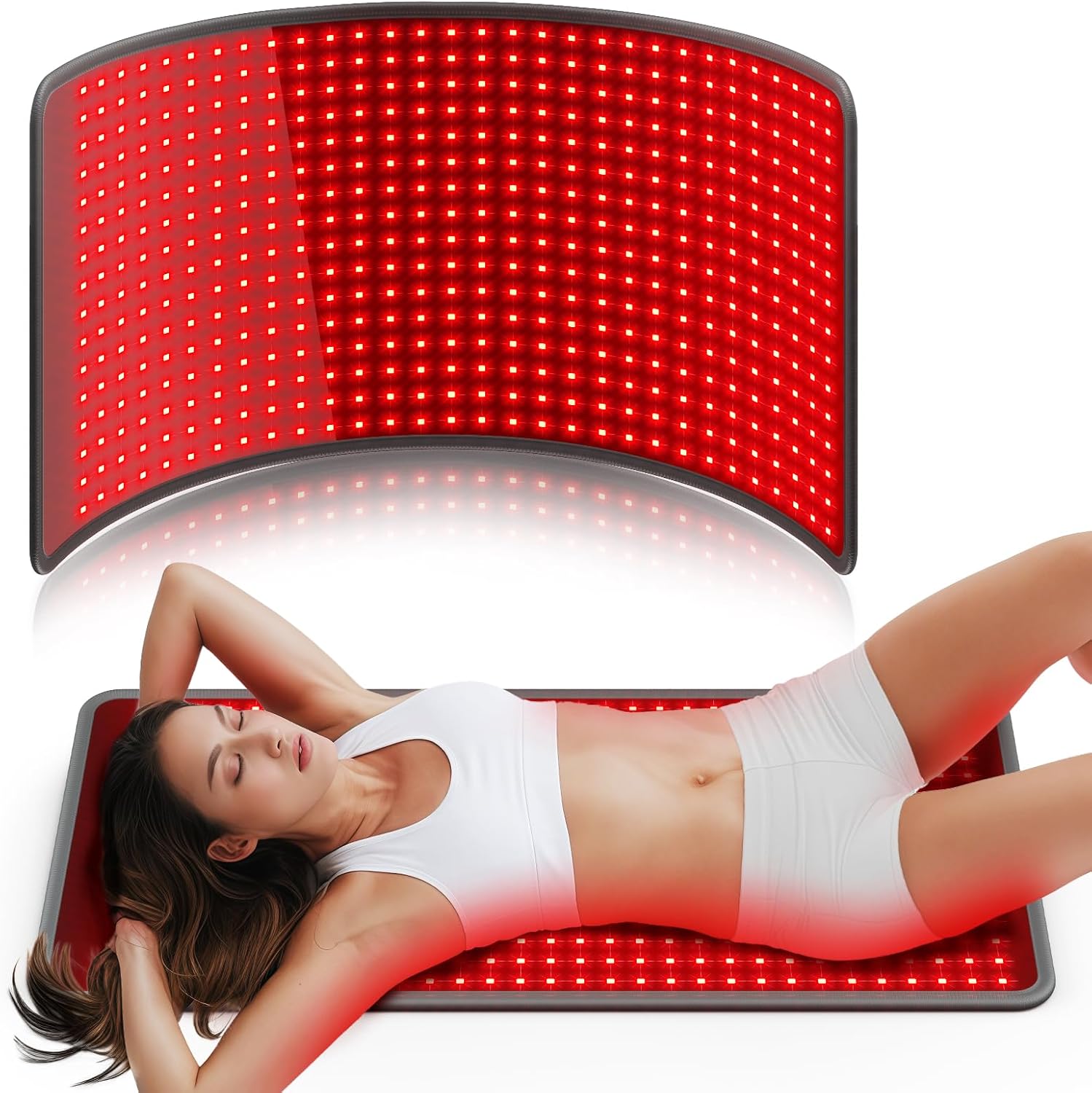
First, identify what the manufacturer says the device is designed to address and which body area it is meant to cover. A face mask and a larger panel are not interchangeable simply because both emit red light.
Check the manual for wavelength information, placement, recommended distance if applicable, and session instructions. If those details are unclear, ask the manufacturer before adapting the device for another area or purpose.
Prepare your skin and the treatment area
Use the device on clean, dry skin unless its instructions say otherwise. Remove makeup, sunscreen, or skincare products if the manual directs you to do so, and keep the treatment area unobstructed.
Do not assume light will pass effectively through clothing, a thick product layer, or a mask that does not sit as intended. For background on this issue, see our explanation of red light therapy and clothing.
Follow the specified placement and session length
Position the device exactly as instructed, and use the stated session length rather than extending it to compensate for missed sessions. More time is not automatically better, and treatment directions cannot be transferred reliably between models.
Use a timer if the device does not stop automatically. Keep the device stable and avoid changing distance or angle during a session unless the manufacturer specifically permits adjustment.
Make the routine repeatable, not more intense
Follow the schedule in the manual and record sessions in a simple calendar. A predictable routine makes it easier to notice whether you are using the device as directed, without adding unapproved sessions or changing several variables at once.
Keep other skincare steps stable while establishing the routine. If irritation appears after adding a new product or changing device use, pause the new variable and review the instructions before resuming.
Check eye guidance and personal contraindications
Follow the device’s specific eye-safety directions, including whether eye protection is required and whether the device should be used with eyes closed. Do not stare into LEDs, and do not assume a built-in mask design makes every use safe for every person.
Ask a clinician before use if you have a condition or take medication that may increase light sensitivity, or if you are unsure whether the device is appropriate for you. Stop if you develop persistent discomfort, and seek professional advice rather than trying to treat a skin problem with a home device.
Why you should trust us
We prioritize manufacturer instructions, clearly described intended uses, and practical ownership details when assessing at-home beauty technology. For red light devices, that means distinguishing a documented routine from assumptions based on appearance, wavelength alone, or another model’s directions.
There are no product-specific recommendations in this guide because no individual devices are named here. We avoid turning general guidance into a performance promise; readers should check the current manual and consult a qualified professional when personal health factors affect suitability.
Final thoughts
The most sensible approach is to choose a device for a clearly stated use, then follow its own placement, session, and safety directions. A premium design may make a routine easier to manage, but it does not replace clear instructions or make extra exposure appropriate.
If you are still comparing formats, our overview of infrared versus red light therapy explains why the terms should not be treated as identical. You can also browse the LED masks and light therapy category for related editorial guidance.
FAQs
How often should I use red light therapy?
Follow the schedule in your device’s manual. Frequency differs by device and intended use, so do not copy a routine from another product or add sessions without manufacturer guidance.
Should I use red light therapy before or after skincare?
Check the manual for product and skin-preparation directions. When instructions call for clean, dry skin, use the device before applying skincare, and avoid layering products that the manufacturer advises against.
Can I use a red light device every day?
Only if the manufacturer’s instructions support that schedule for your device and intended use. Daily use is not a universal rule, and increasing frequency is not a reliable way to address disappointing results.
Do I need to wear eye protection?
Use the eye precautions specified in the manual. Requirements can vary between devices; do not stare at the light or assume closed eyes are enough protection unless the manufacturer says so.
Can I use red light therapy over clothing?
Do not assume clothing is compatible with treatment. Follow your device’s instructions about exposed skin and placement, and consult our guide to using red light therapy through clothing for more context.
What should I do if my skin feels uncomfortable?
Stop the session and check the manual before using the device again. If discomfort persists, worsens, or concerns you, seek advice from a qualified professional rather than changing the schedule or treating the area yourself.
Can skincare products affect a session?
They can affect whether your skin is prepared as the device manufacturer intends. Follow its guidance on makeup, sunscreen, and topical products, and avoid introducing multiple new products while assessing irritation.
When should I ask a professional before using a device?
Ask a clinician if a health condition, medication, skin concern, or possible light sensitivity makes suitability uncertain. A professional can help you decide whether a home device is appropriate for your circumstances.
Evidence and safety references
These references support the general technology and safety context. Product specifications can change; confirm the current manual and regulatory status before use.
- Systematic review and meta-analysis: LEDs in skin therapy
- Systematic review: photobiomodulation safety for skin rejuvenation
- Systematic review: home-use photobiomodulation devices
Safety note: Beauty devices are not a substitute for diagnosis or treatment. Follow the device instructions and consult a qualified clinician if you have a skin condition, take photosensitizing medication, are pregnant, or are unsure whether a device is appropriate.