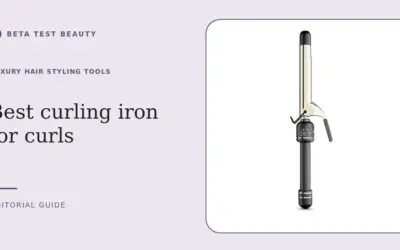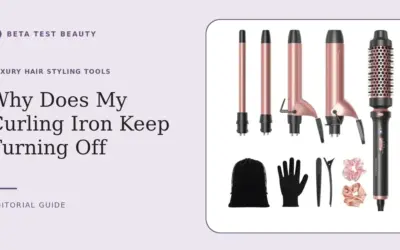

Knowing how to use a curling wand helps you shape curls without relying on a clamp or guessing at heat. Hair length, texture, wand barrel, and styling habits all affect the result, so technique matters as much as the tool.
This guide covers preparation, heat, wrapping, and safe handling. No product specifications were supplied for comparison, so recommendations focus on choosing a suitable wand; see our curling iron technique guide for a clamp-based alternative.
Choose Barrel Size for Your Intended Curl
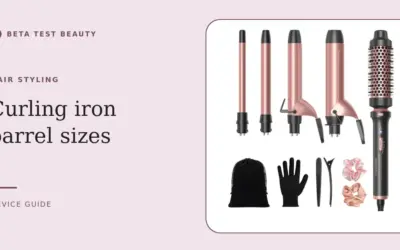
Barrel diameter shapes curl scale: smaller barrels generally create tighter curls, while larger barrels tend toward broad bends. Hair length also matters, because long sections need enough barrel space to wrap without overlapping excessively.
Consider your usual style before buying. A versatile middle-size barrel may suit mixed looks, while a specialty size makes more sense when you consistently want either defined spirals or relaxed waves.
Match Heat Control to Hair Condition
Adjustable temperature gives you more control than a single fixed setting. Start at a lower setting that can shape your hair, then increase only if curls do not form; avoid treating maximum heat as a shortcut.
Fine, color-treated, chemically processed, or fragile hair may need more cautious heat exposure. Product descriptions cannot determine a safe setting for every person, so follow the manufacturer’s instructions and stop if styling causes discomfort or visible damage.
Prepare Dry Hair and Work in Manageable Sections
Begin with fully dry, detangled hair. Heat styling damp hair can cause avoidable damage, and knots make even wrapping difficult, so brush through before dividing hair into sections.
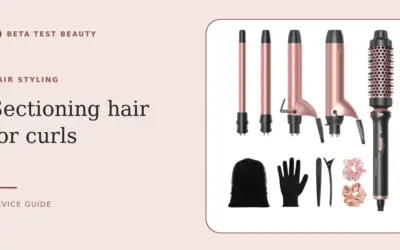
Smaller sections usually heat more evenly than thick bundles, though they take longer to style. Keep section size consistent for a uniform finish, or vary it deliberately when you want less structured texture.
Use Heat Protectant and Follow Its Directions
Apply a heat-protectant product according to its label, then let hair dry completely before using the wand. A protectant is not a guarantee against heat damage; temperature, contact time, and repeated styling still matter.
Avoid layering products in a way that leaves hair damp or sticky before contact with a hot barrel. If a product’s directions conflict with your styling routine, follow its label or choose a compatible option.
Wrap Away from the Face and Control Contact Time
Hold the wand with its tip pointed downward if its design allows, and wrap a section around the barrel away from your face. Leave the ends out for a relaxed finish, or wrap closer to the ends for a more defined curl.
Keep fingers clear of the heated barrel and use the supplied protective glove if the manufacturer includes one. Do not hold hair against the barrel longer than its instructions recommend; release promptly if heat feels uncomfortable.
Consider Weight, Cord, and Heat-Safe Storage
A wand’s balance, handle, cord movement, and controls affect comfort during repeated sections. These details rarely change curl shape directly, but a difficult grip can make careful wrapping less convenient.
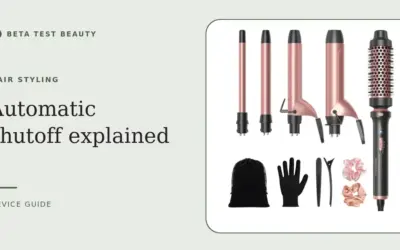
Check whether the tool includes a stand, automatic shutoff, or dual-voltage support only when those details are documented for that model. Let the barrel cool on a heat-resistant surface, unplug it, and store it only when fully cool.
Choose Features You Will Use, Not Features You Will Ignore
Interchangeable barrels can expand styling options, but they add parts to store and keep track of. A fixed barrel may be the better value when one curl size covers most of your routine.
Review the warranty, replacement-part availability, voltage compatibility, and care instructions before purchase. Premium finishes or extra accessories do not automatically justify a higher cost if they do not solve a specific need.
For shoppers choosing between heat tools, our titanium versus ceramic flat iron guide explains how tool materials relate to styling choices. You can also compare wand technique with our guide to curling hair with a flat iron.
Why You Should Trust Us
We base this guide on practical styling principles and the information available in the supplied materials. No product specifications, manuals, or named models were provided, so we do not claim model-specific features, measured performance, or product rankings.
Our recommendations distinguish general technique from facts that require a particular manufacturer’s documentation. Before purchase or use, verify temperature controls, safety features, warranty terms, and voltage information in the product’s official instructions.
Final Thoughts
The right wand depends on curl preference, hair length, temperature control, and comfort in your hand. Since no products were supplied for review, we cannot responsibly name a best overall, value, or specialty pick.
For a straightforward routine, prioritize adjustable heat, a barrel size suited to your hair, clear safety instructions, and a warranty you can verify. Skip feature-heavy sets if you expect to use only one barrel, and compare alternatives in our luxury hair styling tools category.
FAQs
How do you use a curling wand for natural-looking curls?
Work with dry, detangled sections and wrap hair away from your face. Alternate directions on selected sections and leave the ends unwrapped for a softer, less uniform finish.
Should hair be wet or dry before using a curling wand?
Hair should be fully dry before using a heated wand unless its manufacturer explicitly states otherwise. Damp hair can be more vulnerable to heat damage, and moisture can prevent predictable styling.
What temperature should I use on a curling wand?
There is no single setting suitable for every hair type or wand. Begin low, follow the tool’s instructions, and use the least heat that shapes your hair without repeated prolonged contact.
How long should hair stay wrapped around the barrel?
Follow the manufacturer’s timing guidance rather than relying on a universal duration. Release the section promptly if you feel discomfort, and avoid holding hair on a hot barrel longer than needed.
Which curling wand barrel size should I choose?
Choose based on the curl shape you want and the length of your hair. Smaller barrels generally suit tighter curls, while larger barrels tend toward looser bends; exact results vary with technique.
Can I use a curling wand every day?
Frequent heat styling can contribute to dryness and breakage, with risk depending on hair condition, temperature, and technique. Reduce heat exposure where possible and seek professional advice if you have persistent scalp or hair concerns.
How can I avoid burns when using a curling wand?
Keep the barrel away from skin, use a supplied protective glove, and place the wand on a heat-resistant surface. Unplug it after use and let it cool fully before storage.
How to use a curling wand when curls do not last?
Check that hair is fully dry, sections are not too thick, and the selected heat setting follows the tool’s instructions. Let each curl cool before handling, and review our guide to curling tools for defined styles when comparing alternatives.
Evidence and safety references
These references support the general technology and safety context. Product specifications can change; confirm the current manual and regulatory status before use.
- Study: hair-shaft damage, dryer temperature and distance
- Study: effects of heat treatment on hair structure
Safety note: Beauty devices are not a substitute for diagnosis or treatment. Follow the device instructions and consult a qualified clinician if you have a skin condition, take photosensitizing medication, are pregnant, or are unsure whether a device is appropriate.