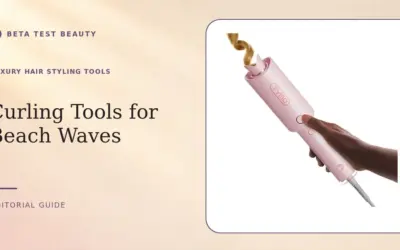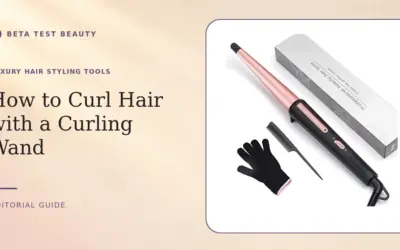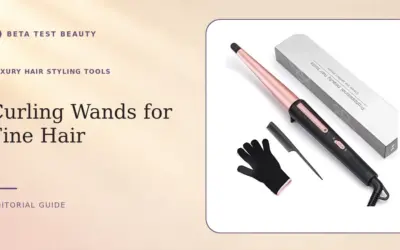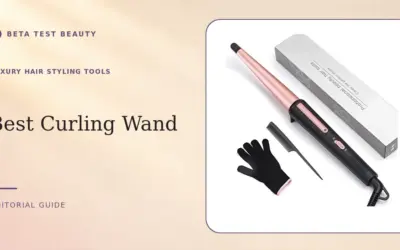

A curling tong and curling wand can both create curls, but the clamp changes how you wrap hair, control the ends, and learn the technique. If you want a defined, repeatable shape, a tong may feel more intuitive; if you prefer a looser finish and direct control over the strand, a wand may suit you better.
There is no universal winner: barrel shape, hair length, heat control, and your comfort handling a hot tool all matter. This guide explains the differences without assuming a particular model is right for everyone, and pairs with our guide to using a curling wand.
Curling tong vs curling wand: what should you compare?
1. Clamp control and learning curve
A curling tong has a clamp that holds hair against the barrel while you turn the tool. That grip can make it easier to keep a section in place and produce a more uniform curl pattern, especially if you are learning to style one section at a time.
The clamp also creates another point of contact that may leave a crease if you pause, apply uneven tension, or position the hair awkwardly. A wand removes that mechanism, but asks you to hold and wrap each section yourself, so coordination and a consistent wrapping motion matter more.
2. Curl shape and finish
Either tool can make different-looking curls depending on barrel diameter, section size, wrapping direction, and how much hair you leave out at the ends. The clamp alone does not guarantee a particular style, and a wand does not automatically create beachy waves.
Choose by the finish you can reproduce comfortably, not by a product label promising one signature look. If you are unsure, compare the barrel shape and technique in a mirror or try a cool, unplugged practice wrap before styling with heat.
3. Hair length, section size, and reach
Longer hair gives you more length to wrap around a barrel, while shorter layers may be harder to position without touching the tool or catching nearby strands. A clamp may help secure a small section, but the clamp and barrel still need enough room to reach the area you want to style.
Consider the barrel length and diameter listed for the specific model, then compare them with your hair length and preferred curl size. For varied lengths or layered hair, prioritize a tool you can maneuver near the roots and ends without forcing an uncomfortable wrist angle.
4. Heat settings and hair-care routine
More heat is not a shortcut to a better result. Select the lowest setting that works for your hair and styling routine, follow the tool maker’s instructions, and avoid repeatedly applying heat to the same section.
Check whether a model offers adjustable temperature, clearly marked controls, and a way to avoid accidental setting changes. Apply a heat protectant according to its label, and give hair time to cool before brushing or reshaping; routine and technique can matter as much as tong-versus-wand design.
5. Comfort, handling, and practical safety
A tong may feel familiar if you have used a conventional curling iron, while a wand may be simpler in shape but less forgiving when you are learning to wrap hair. Consider handle grip, button placement, balance, cord movement, and whether you can reach the back of your head comfortably.
Both tools get hot, and a wand leaves more of the barrel exposed during wrapping. Use the heat-resistant glove if the manufacturer includes or recommends one, keep the hot barrel away from skin and surfaces, and follow the manual’s instructions for use and storage.
6. Ownership details beyond the barrel
Before paying more for a premium model, check the warranty, voltage compatibility for your travel plans, cord design, auto-shutoff details, and the manufacturer’s cleaning instructions. These practical features can affect daily convenience more than a finish or control that sounds appealing in a product description.
Also confirm what the warranty covers and whether the tool’s controls suit your habits. For a broader look at heat-based styling choices, see our curling iron technique guide and comparison of titanium and ceramic styling surfaces.
How We Prepared This Guide
Our editorial approach focuses on the differences a buyer can use: how the clamp changes technique, what barrel dimensions mean for hair length, and which controls support a practical routine. We separate design considerations from performance promises and do not treat a premium finish as proof of better results.
Specific features, warranty terms, and safety instructions vary by model, so check the manufacturer’s current manual before buying or using a tool. When a specification is not listed, confirm it directly rather than assuming that all curling tongs or wands share the same controls.
Final thoughts: which tool fits your routine?
Choose a curling tong if you value a clamp to hold each section and want a more guided wrapping motion. It may be a sensible starting point for someone who prefers securing the hair before turning the tool, provided the clamp does not get in the way of the finish they want.
Choose a curling wand if you are comfortable wrapping hair by hand and prefer a tool without a clamp. Neither is the right pick if you rarely use heat, cannot handle an exposed hot barrel comfortably, or have not found a suitable temperature and technique for your hair; consider a heat-free styling method instead.
There is no defensible best-overall or best-value model here without a specific product shortlist to compare. Prioritize the barrel dimensions, adjustable settings, handling, warranty, and instructions you can verify, then use our luxury hair styling tools category to explore the wider category.
FAQs
Is a curling tong the same as a curling iron?
The terms are often used for a heated barrel with a clamp, though naming can vary by retailer and brand. Check the product design rather than relying on the label alone.
Is a curling wand easier for beginners?
Not necessarily. A wand has no clamp to hold the section, so it may take practice to wrap hair consistently; someone else may prefer its simple barrel shape.
Which creates more natural-looking curls, a tong or wand?
Either can create a range of finishes. Barrel size, section width, wrapping direction, and styling technique influence the result, so the tool type alone cannot determine which looks more natural.
Does a curling wand leave the ends straight?
You can leave the ends outside the wrap for a less-curled finish, but it is a technique choice rather than an automatic feature. Keep your fingers clear of the hot barrel.
What barrel size should I choose?
Start with the curl size you want and your hair length, then check the manufacturer’s barrel dimensions. A different section size or wrapping method can also change the result.
Are curling tongs or wands safer for hair?
Neither design removes heat-related risk. Follow the manual, use a suitable setting, avoid repeated passes, and stop if the tool or your hair behaves unexpectedly.
Can I use a curling wand on short hair?
That depends on the barrel dimensions, hair length, and how comfortably you can position the tool. Check the model’s design and keep the hot barrel away from your scalp and skin.
How can I learn to use a curling wand?
Begin with the manufacturer’s instructions and practice the wrapping motion with the tool unplugged. Our curling wand technique guide covers wrapping and heat considerations.
Evidence and safety references
These references support the general technology and safety context. Product specifications can change; confirm the current manual and regulatory status before use.
- Study: hair-shaft damage, dryer temperature and distance
- Study: effects of heat treatment on hair structure
Safety note: Beauty devices are not a substitute for diagnosis or treatment. Follow the device instructions and consult a qualified clinician if you have a skin condition, take photosensitizing medication, are pregnant, or are unsure whether a device is appropriate.