
The practical ceramic vs ionic hair dryer differences matter most for people balancing drying speed, frizz control, volume, and heat exposure. As of September 2026, our comparison covers 1 relevant option while explaining when each technology better fits your routine.
Neither label automatically guarantees better results because airflow, temperature control, attachments, and technique also shape the finished style. Shoppers considering more advanced alternatives can also explore our guide to luxury hair dryers.

Pros
- Professional AC motor dries fast
- Ionic technology cuts frizz
- Ceramic heat distributes evenly
- Cold shot locks in styles
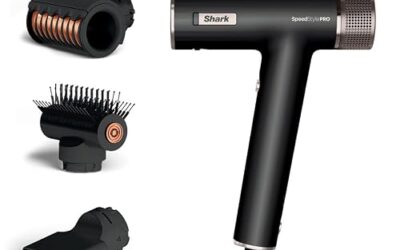
- Includes diffuser and concentrator
Cons
- Single-voltage, North America only
- No dual voltage for travel
Specifications
| Color | Black |
|---|---|
| Size | 1 Count (Pack of 1) |
| Dimensions | 8.37 x 3.47 x 11.92 inches |
| Weight | 1.46 pounds |
| Product Group | Beauty |
| Binding | Health and Beauty |
Verify the current product variation before purchase; specifications may change.
Detailed Review
What stands out in the currently available product data:
- Professional AC motor delivers powerful airflow for up to 50% faster drying than Conair DC models, reducing time under heat.
- Ionic generator emits negative ions to smooth the cuticle, neutralize static, and cut frizz by up to 75%.
- Ceramic infrared heat spreads uniform warmth to minimize hot spots and help protect hair from over-drying.
- True cold shot button locks in curls, waves, and finished styles for longer-lasting hold.
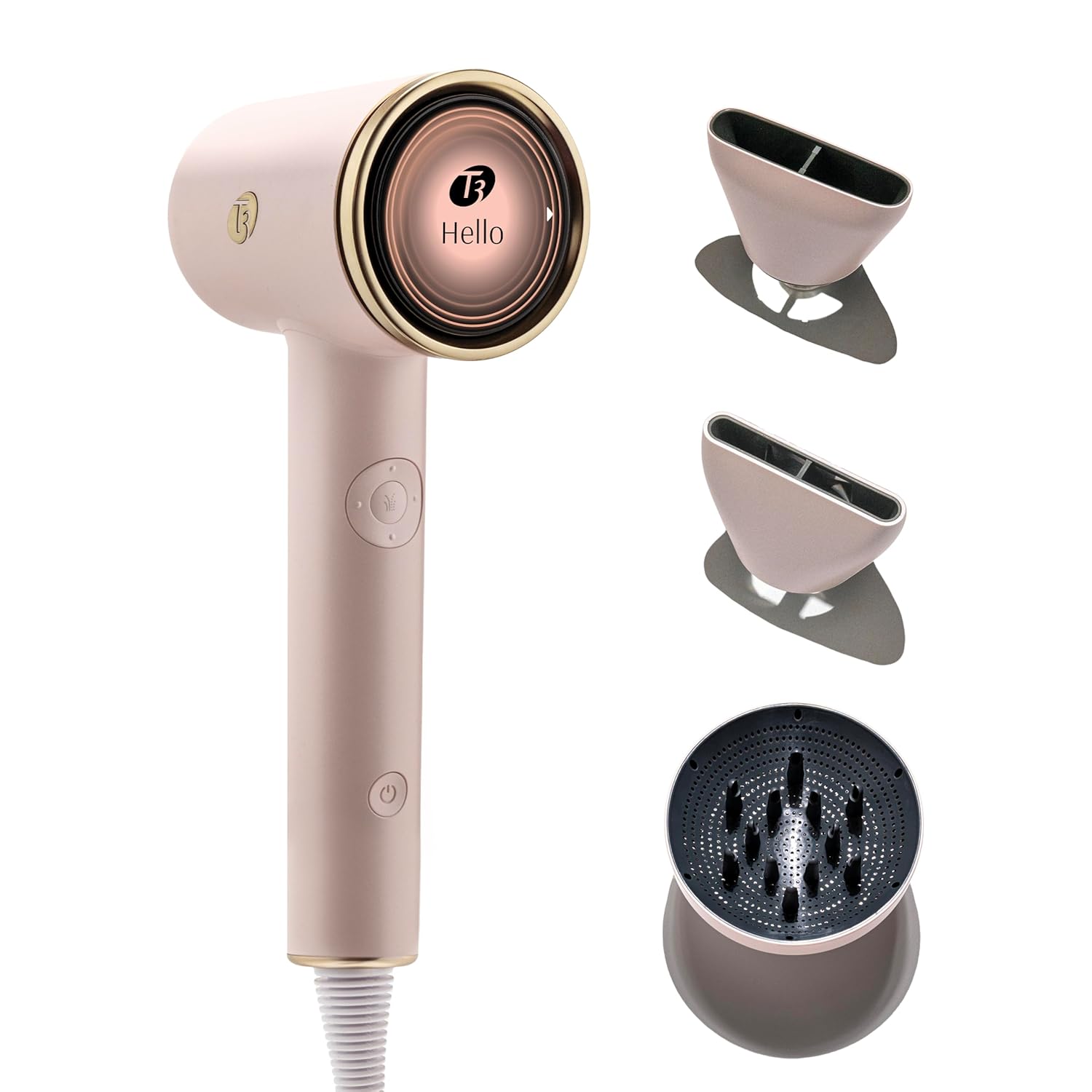
- Includes snap-on diffuser and concentrator to switch between defined curls and sleek blowouts.
- Removable rear filter prevents lint buildup, extends motor life, and simplifies cleaning maintenance.
Best For / Avoid If
Best for buyers prioritizing
- Professional AC motor dries fast
- Ionic technology cuts frizz
- Ceramic heat distributes evenly
Consider another option if
- Single-voltage, North America only
- No dual voltage for travel
Ceramic vs Ionic Hair Dryer Differences Buying Guide
Heat Distribution and Temperature Control
Ceramic components are generally intended to distribute heat more evenly than basic exposed heating systems. That characteristic can help reduce concentrated hot spots, although actual performance depends on the dryer’s complete internal design.
Choose ceramic when controlled, broadly distributed heat matters more than achieving the shortest possible session. Multiple heat settings remain essential because even heat can still be excessive for fragile, bleached, or already dry hair.
Drying Speed and Hair Density
Ionic dryers are designed to generate negatively charged ions, which manufacturers commonly associate with breaking water into smaller droplets. This may support quicker moisture removal, but an ionic label alone does not establish a specific drying-time improvement.
Dense, coarse, or very long hair may benefit more noticeably from strong airflow and ionic assistance. Fine or short hair often dries quickly already, making adjustable heat and speed more valuable than maximum output.
Frizz Control Versus Natural Volume
Ionic technology is usually positioned for smoother-looking hair with less static and surface frizz. That makes it appealing for straight, coarse, or humidity-prone hair when a polished finish is the priority.
However, aggressively smoothing fine hair can leave roots appearing flatter, especially when high airflow is directed downward throughout drying. Ceramic heat may offer a more neutral foundation when preserving body matters more than minimizing every flyaway.
| Decision factor | Ceramic usually suits | Ionic usually suits |
|---|---|---|
| Primary priority | Balanced heat delivery | Speed and a smoother finish |
| Common hair fit | Fine, dry, or heat-conscious routines | Thick, coarse, long, or frizz-prone hair |
| Potential tradeoff | May not dry dense hair as quickly | May reduce perceived volume on fine hair |
| Important supporting feature | Several heat settings | Several speed settings or selectable ion control |
Hair Condition and Heat Sensitivity
Color-treated, bleached, chemically processed, or breakage-prone hair deserves conservative temperatures regardless of the dryer category. A ceramic heater does not make prolonged high-heat exposure harmless, and faster ionic drying does not eliminate thermal stress.
Begin with the lowest effective setting, keep the dryer moving, and maintain reasonable distance from the hair and scalp. Stop if the tool overheats, smells unusual, damages its cord, or causes scalp discomfort.
Attachments and Styling Technique
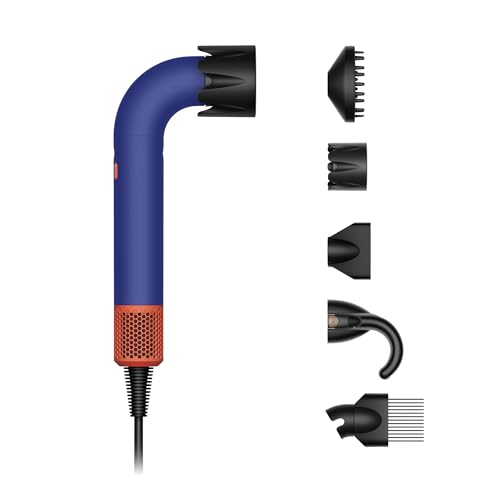
A concentrator narrows airflow for brush styling and straighter finishes, while a diffuser spreads airflow across curls and waves. These attachments can change daily results more noticeably than the ceramic or ionic label by itself.
Curly-haired shoppers should evaluate diffuser depth, bowl shape, and airflow settings before prioritizing internal technology. Our premium dryer with diffuser guide examines that attachment-focused buying approach in greater detail.
Motor, Controls, and Routine Comfort
Wattage indicates electrical power consumption rather than proving airflow, motor longevity, or styling quality. The Conair model is documented as a 1875W dryer with multiple heat and speed settings, a no-slip grip, and a six-foot cord.
Those controls let you lower heat without necessarily surrendering all airflow, depending on how the settings are configured. Weight, handle balance, button placement, cord flexibility, and noise also matter during longer sessions, but supplied data does not quantify them.
Maintenance, Longevity, and Overall Value
Lint buildup can restrict airflow, increase operating temperature, and undermine the advantages promised by either technology. Check whether the rear filter is accessible, then clean it only according to the manufacturer’s instructions after unplugging the dryer.
Premium pricing is easier to justify when it buys better controls, lower weight, useful attachments, documented warranty support, or selectable ion output. Compare those ownership benefits through our broader premium hair dryer coverage, rather than paying for technology terminology alone.
Why You Should Trust Us
Our analysis separates documented product details from general interpretations of ceramic and ionic dryer technology. We prioritize adjustable controls, attachment utility, hair compatibility, maintenance, and ownership implications rather than relying on promotional language.
We did not conduct instrumented airflow, temperature, noise, or drying-time tests for the supplied model. Consequently, we avoid claiming measured performance and identify where manufacturer specifications cannot answer practical questions about comfort or long-term durability.
Final Thoughts
Choose ceramic if you prioritize balanced heat, use conservative temperatures, or want a versatile dryer for mixed household needs. Choose ionic when faster drying and a smoother finish matter most, particularly for dense, coarse, long, or frizz-prone hair.
Among the supplied products, the Conair InfinitiPRO Hair Dryer with Diffuser is our best overall and best-value recommendation by default. Its ceramic designation, multiple settings, 1875W specification, concentrator, diffuser, no-slip grip, and six-foot cord create a practical feature set, though comparative performance evidence was not supplied.
The same Conair InfinitiPRO Hair Dryer with Diffuser is also the specific-use choice for shoppers wanting curl and targeted styling attachments together. Those seeking lower weight should instead compare our lightweight premium hair dryer options, since the supplied data does not document this model’s weight.
Frequently Asked Questions
What are the main ceramic vs ionic hair dryer differences in 2026?
Ceramic technology generally emphasizes evenly distributed heat, while ionic technology is marketed toward quicker moisture removal and smoother-looking hair. Actual results still depend on airflow, temperature settings, attachments, technique, and your hair’s condition.
Is ceramic or ionic better for frizzy hair?
Ionic technology is commonly favored for static and frizz management, especially on coarse or dense hair. Shoppers focused on this concern can compare additional luxury dryers for frizzy hair.
Is an ionic dryer suitable for fine hair?
An ionic dryer can suit fine hair when it offers lower heat and speed settings. Excessive smoothing or powerful downward airflow may reduce visible volume, so technique and control range remain important.
Does a ceramic dryer cause less heat damage?
Ceramic components may promote more even heating, but they cannot guarantee protection from thermal damage. Use the lowest effective temperature, keep the dryer moving, and consider professional guidance for severely compromised hair or scalp conditions.
Can a hair dryer be both ceramic and ionic?
Yes, manufacturers can combine ceramic heating components with an ion-generating system in one dryer. Check the official specifications carefully because marketing names do not always clarify which components or functions are included.
Does higher wattage mean a hair dryer dries faster?
Not necessarily, because wattage measures power consumption rather than airflow speed or drying efficiency. Motor design, fan geometry, heat regulation, nozzle choice, and hair density all influence session length.
Should curly hair use a ceramic or ionic dryer?
Curly hair often benefits most from a well-designed diffuser, low airflow, and adjustable heat rather than one technology label. Ionic output may encourage smoothness, while gentler ceramic heating may suit curls needing volume and controlled drying.
When should you skip both ceramic and ionic dryers?
Skip replacement if your existing dryer works safely, offers adequate controls, and meets your styling needs. Avoid using any dryer with a damaged cord, blocked intake, unusual odor, intermittent power, or excessive heat.
Evidence and safety references
These references support the general technology and safety context. Product specifications can change; confirm the current manual and regulatory status before use.
- Study: hair-shaft damage, dryer temperature and distance
- Study: effects of heat treatment on hair structure
Safety note: Beauty devices are not a substitute for diagnosis or treatment. Follow the device instructions and consult a qualified clinician if you have a skin condition, take photosensitizing medication, are pregnant, or are unsure whether a device is appropriate.