
Choosing the best home skin analyzer for beginners depends less on impressive terminology and more on useful, repeatable information. A device should help you understand your skin without turning every reading into a reason to buy another product.
This guide compares 2 options available in October 2026, using documented features, stated intended uses, available ownership details, and practical beginner needs. For broader feature context, see our guide to skin analysis device features that matter.

Pros
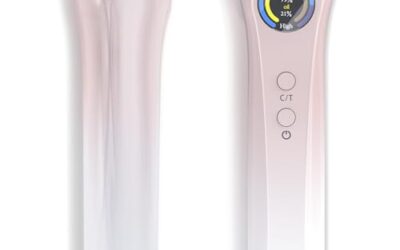
- Multi-light facial and scalp analysis
- Long-term skin profile tracking
- Single and comprehensive reports
- Five-year warranty
- CE and RoHS certifications
Cons
- Expensive for the segment
- Professional feature set may overwhelm beginners
- Limited independent feedback
Specifications
| Color | Multicolor |
|---|---|
| Product Group | Beauty |
| Binding | Misc. |
Verify the current product variation before purchase; specifications may change.
Detailed Review
What stands out in the currently available product data:
- Analyzes multiple facial and scalp health indicators
- Supports assessments for acne, scars, pigmentation, and redness
- Uses multi-light detection for broader skin analysis
- Creates profiles to monitor changes over time
- Offers single and comprehensive report modes
- Includes replacement guidance and a five-year warranty
Best For / Avoid If
Best for buyers prioritizing
- Multi-light facial and scalp analysis
- Long-term skin profile tracking
- Single and comprehensive reports
Consider another option if
- Expensive for the segment
- Professional feature set may overwhelm beginners
- Limited independent feedback

Pros
- Accurate Fitzpatrick skin type classification
- Portable and lightweight design
- Easy to use for professionals
- Includes batteries for immediate use
- Compact for travel and storage
Cons
- Non-rechargeable sealed battery unit
- Fragile test window requires careful handling
- Not waterproof for wet environments
Specifications
| Package Dimensions | 6.22 x 2.01 x 1.26 inches; 3.21 ounces |
|---|---|
| Batteries | 1 C batteries required. (included) |
| UPC | 715748675518 |
| Manufacturer | PMUBEAUTY |
| ASIN | B0C772RJ33 |
| Best Sellers Rank | #226,495 in Beauty & Personal Care (See Top 100 in Beauty & Personal Care) #6 in Skin Moisture Analyzers |
| Customer Reviews | 4.3 4.3 out of 5 stars (20) |
Verify the current product variation before purchase; specifications may change.
Detailed Review
What stands out in the currently available product data:
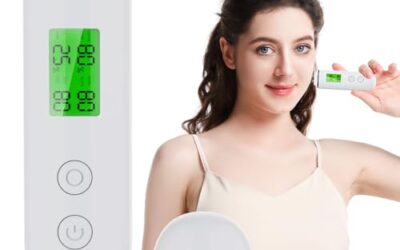
- Accurately classifies skin types using the Fitzpatrick scale for precise color matching in permanent makeup
- Portable and lightweight design allows easy carry for on-the-go consultations and client demonstrations
- Automatic testing system provides quick and reliable skin tone readings without manual guesswork
- Supports six skin types from pale to deeply pigmented, ensuring broad compatibility for diverse clients
- Includes C batteries for immediate use, eliminating the need for separate power source purchases
- Compact size fits easily into a beauty kit or professional tool bag for salon and home use
Best For / Avoid If
Best for buyers prioritizing
- Accurate Fitzpatrick skin type classification
- Portable and lightweight design
- Easy to use for professionals
Consider another option if
- Non-rechargeable sealed battery unit
- Fragile test window requires careful handling
- Not waterproof for wet environments
Buying Guide for best home skin analyzer for beginners
Choose measurements you can understand
Beginner value starts with readable output. A device that reports skin tone, pigmentation, redness, pores, sensitivity, or hydration-related observations can support routine tracking, provided readings remain consistent.
More indicators do not automatically create better guidance. The Mecavie device lists analysis for acne, acne scars, melanin, redness, sensitivity, UV, microflora, collagen loss, enlarged pores, sleep, and weight, but the supplied data does not explain accuracy, validation, or clinical meaning.
Separate measurement from diagnosis
Home analyzers offer observations, not medical diagnoses. Lighting, camera angle, skin products, recent washing, and room conditions can influence image-based results, so treat single readings as directional information.
Use readings to notice changes across similar sessions rather than labeling a condition. Persistent redness, sudden pigmentation, painful acne, unusual sensitivity, or changing lesions require qualified professional advice instead of device interpretation.
Consider setup and repeatability
A useful analyzer fits your routine. Check whether instructions explain positioning, lighting, cleaning, calibration, software access, and report storage before paying for advanced analysis.
Repeat scans under similar conditions. Take measurements at the same time of day, before applying skincare, and after cleansing consistently. Without that discipline, reports may reflect session differences rather than skin changes.
Match complexity to your actual goal
The ProPMUMicroblading Smart Skin Analyzer, Portable Skin Color Tester is positioned around skin color and tone assessment for facial care, permanent makeup, salon use, and home use. That narrower purpose may suit users who need tone guidance rather than a broad skin-health dashboard.
The Mecavie AI Skin Analyzer Device for Face and Scalp targets wider reporting and profile tracking. Its broader scope may help salon operators or detail-oriented users, but beginners should ask whether they will act on every report before choosing greater complexity.
Assess evidence and wording carefully
Product descriptions often combine technical labels with broad beauty language. Terms such as AI, multi-light detection, UV analysis, collagen loss, or microflora analysis need supporting documentation before they deserve strong trust.
Look for a manual, measurement method, repeatability information, software explanation, and clear limits. Supplied product data provides detailed feature claims for Mecavie, but it does not provide independent clinical evidence or published validation.
Review privacy and data handling
Face and scalp analysis can involve photographs, profiles, reports, and personal routine information. Before using a connected device, check where images are stored, whether accounts are required, how data is deleted, and whether reports can be exported.
Privacy details are not supplied for either listed product. That gap matters more when a device creates long-term skin profiles or collects information beyond facial images, such as sleep or weight reports.
Calculate ownership value, not feature value
Purchase price is only one ownership factor. Add replacement parts, software fees, accessories, support, return terms, storage needs, and the time required for repeated scans.
Mecavie product data states a 30-day return period, a five-year warranty, CE and RoHS certifications, an instruction manual, and guidance for parts replacement. Those claims should be confirmed in current documentation before purchase because warranty scope and regional terms can differ.
| Decision factor | ProPMUMicroblading | Mecavie |
|---|---|---|
| Primary emphasis | Skin color and tone assessment | Broad face and scalp analysis |
| Best fit | Focused tone evaluation | Detailed reporting and profile tracking |
| Documented limitation | Few supplied feature details | No supplied independent validation |
| Ownership details supplied | Not provided | Warranty, return, certification claims listed |
Why You Should Trust Us
Our comparison separates supplied product information from editorial interpretation. We do not treat marketing descriptions as clinical evidence, and we do not claim hands-on results, independent measurements, or outcomes absent from the provided record.
We prioritize repeatable use, understandable reports, privacy, support, warranty terms, and realistic beginner value. For additional context, our guide to smart skin analysis devices under $300 addresses a different ownership constraint.
Final Thoughts
Best overall depends on what you mean by analysis. Mecavie is the stronger fit for users who want broad face and scalp reporting, multiple report modes, and a profile intended to track changes over time. Its complexity and limited supplied evidence make a careful setup essential.
ProPMUMicroblading is the value-oriented choice for a narrower job: skin color and tone assessment connected to facial care or permanent makeup decisions. It may be easier to justify when broad metrics would create noise rather than useful action.
For specific use, choose Mecavie when salon-style reporting and long-term profiles matter, assuming support and privacy terms satisfy your requirements. Choose ProPMUMicroblading when focused tone evaluation matters more than AI-led reporting.
Neither device should replace professional assessment for persistent or concerning skin changes. Buyers should also verify current documentation, return terms, warranty coverage, and data practices before committing.
FAQs
What is the best home skin analyzer for beginners in 2026?
Choose the narrowest device that answers your real question. ProPMUMicroblading suits focused tone assessment, while Mecavie suits broader reporting and tracking.
Can a home skin analyzer diagnose acne or skin disease?
No. Consumer analysis can provide observations, but diagnosis requires qualified professional assessment and appropriate clinical context.
Are AI skin analyzer results accurate?
Accuracy depends on sensors, software, lighting, positioning, validation, and use conditions. The supplied data does not establish independent accuracy for either product.
How often should beginners scan their skin?
Follow device instructions and keep sessions consistent. Frequent scanning can create confusion when lighting or skincare conditions change.
Should beginners buy a device with more metrics?
Only when those metrics support decisions you will make. Extra reports can increase complexity without improving routine quality.
What should I check before using a skin analyzer?
Read instructions, confirm cleaning requirements, review privacy terms, test software access, and inspect return and warranty conditions.
Can skin products change analyzer results?
Yes. Moisturizer, sunscreen, makeup, cleansing, and temporary irritation may affect readings. Use consistent preparation for comparisons.
Does a skin analyzer replace a dermatologist?
No. Use devices for personal tracking only, and seek professional advice for persistent, painful, changing, or worrying findings.
Where can I learn more about connected skin analysis?
Our guide to the best app connected skin analysis device covers software, tracking, and connected ownership considerations.
Evidence and safety references
These references support the general technology and safety context. Product specifications can change; confirm the current manual and regulatory status before use.
Safety note: Beauty devices are not a substitute for diagnosis or treatment. Follow the device instructions and consult a qualified clinician if you have a skin condition, take photosensitizing medication, are pregnant, or are unsure whether a device is appropriate.