
Straight hair depends on more than a flat iron. Your starting texture, hair condition, section size, heat control, and preparation all affect how smooth the finish looks and how much heat your hair receives.
This guide explains how to straighten hair with a blow-dryer or flat iron, what to consider before choosing a tool, and when a different finish may suit your routine better. No product records are available for this guide, so the comparison area below may not display recommendations.
For a closer look at plate materials and their tradeoffs, see our guide to titanium versus ceramic flat irons. The right choice depends on your hair and technique, not on a premium label alone.
1. Start with hair condition and preparation
Begin with clean hair unless your stylist has advised otherwise. Product buildup can make strands feel coated, while dampness inside the hair can create uneven results when exposed to a hot tool.
Dry hair fully before using a flat iron. Apply a heat protectant according to its label, distribute it evenly, and let any wet product dry before clamping hair between plates.
Heat protectant does not make high temperatures harmless. If hair is bleached, chemically treated, fragile, or breaking, reduce heat exposure and consider advice from a licensed stylist before using frequent thermal styling.
2. Choose a method that fits your result and routine
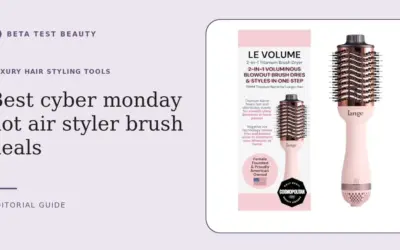
A blow-dryer with a nozzle and brush can smooth hair while shaping volume, but it requires coordination and careful airflow. A flat iron creates direct contact with heated plates, which can produce a sleeker finish with fewer styling tools.
Neither method suits every routine. Blow-drying can take longer when hair is dense or long, while flat ironing adds concentrated plate contact and may flatten roots or reduce natural movement.
For a softer finish, blow-dry in manageable sections and direct airflow down the hair shaft. For a straighter finish, use a flat iron only after hair is dry, detangled, and divided into sections that you can control.
3. Match plate material and width to your hair
Ceramic plates are commonly chosen for even heat distribution, while titanium plates often heat quickly and transfer heat efficiently. Those are material characteristics, not a guarantee that one plate type will be gentler or produce a better result for everyone.
Plate width affects handling. Narrow plates can make it easier to work near the roots or around shorter layers, while wider plates may cover more area per pass but feel awkward on short hair or detailed sections.
Compare the tool’s temperature controls, plate dimensions, and manufacturer instructions before buying. Our flat iron plate comparison explains how to weigh those details against your hair type and styling habits.
4. Use the lowest effective heat and controlled passes
Higher heat can make a section look straighter in fewer passes, but it also raises the risk of heat-related dryness and breakage. Start with a lower setting, follow the tool manual, and adjust only if your hair does not respond to controlled technique.
There is no universal temperature that suits every texture or hair history. Fine, lightened, or damaged hair may need especially cautious heat, while coarse or tightly curled hair may require a different approach; a stylist can help set realistic expectations.
Use small, even sections and keep the iron moving steadily. Repeatedly clamping the same area can add unnecessary exposure, so improve section control before raising the temperature or making extra passes.
5. Section hair for consistent control
Detangle first, then divide hair into sections that remain easy to hold and style. Oversized sections can leave inner strands untreated, encouraging repeat passes; very tiny sections can turn a simple routine into a long session.
Work from lower layers toward the crown and keep the tool away from the scalp and skin. A comb used ahead of the iron can help separate strands, but avoid pulling hard or stretching hair under tension.
Practice matters more than adding accessories. If your wrist, shoulder, or grip becomes uncomfortable, pause and adjust your setup rather than rushing through a hot-tool routine.
6. Assess comfort, maintenance, and ownership costs
Before purchasing, check whether the handle feels manageable, controls are easy to understand, and the cord or cordless design suits your space. Confirm the manufacturer’s warranty, voltage compatibility, cleaning instructions, and any replacement-part availability.
A premium tool may offer useful temperature control, a comfortable grip, or a design that fits frequent styling. It may not justify its cost if you straighten hair rarely, already own a suitable tool, or cannot identify a feature that improves your routine.
Account for the full ownership picture: storage, cleaning, warranty terms, and whether the tool works where you travel. Avoid assuming that a higher price proves better durability or safer performance without supporting documentation.
Why You Should Trust Us
We base this guide on general hair-styling principles and the information available in the published listing. No product data was provided, so we do not name specific tools, compare model specifications, or claim measured performance.
Our recommendations stay conditional because hair texture, chemical processing, styling frequency, and personal technique change the decision. Check current manufacturer instructions and warranty terms before buying, and consult a licensed stylist if your hair is fragile or undergoing chemical services.
Final Thoughts
For occasional smoothing, begin with the tool you already own if it has working temperature controls and suits your hair. A blow-dryer can preserve more volume, while a flat iron offers direct smoothing but requires dry hair and careful sectioning.
No best overall, best value, or best-for-specific-use product can be responsibly recommended from this source because no products or specifications were supplied. Compare documented temperature settings, plate design, warranty, and handling, then choose the least complicated tool that meets your needs.
Skip frequent high-heat styling if your hair is already fragile or breaking, and ask a professional for guidance when chemical treatments or scalp concerns complicate your routine. For alternate styling ideas, see our guide on using a flat iron to create curls.
FAQs
How do you straighten hair without a flat iron?
Use a blow-dryer with a nozzle and brush, directing airflow down the hair while working in sections. Results depend on hair texture, brush control, and drying technique, and may look less sleek than a flat-ironed finish.
Should hair be wet or dry before flat ironing?
Hair should be fully dry before using a conventional flat iron unless its manufacturer explicitly documents a different use. Applying hot plates to damp hair can cause uneven heating and unwanted damage.
What temperature should I use to straighten hair?
There is no single setting for all hair. Start low, follow the tool instructions, and use controlled sections; get stylist guidance if hair is bleached, fragile, or chemically treated.
How many times should I pass a flat iron over each section?
Aim to limit repeat passes by working with dry hair and manageable sections. If one pass does not smooth a section, review your section size and technique before increasing heat.
Is ceramic or titanium better for straightening hair?
Neither material is universally better. Compare heat control, plate width, handling, and manufacturer guidance alongside hair texture; our ceramic and titanium plate guide covers the main tradeoffs.
Does heat protectant prevent all heat damage?
No. Heat protectant may be part of a cautious routine, but it does not remove the risks of high temperatures or repeated exposure. Follow its label and use the lowest effective heat.
Can I straighten hair every day?
Frequent heat can contribute to dryness and breakage, particularly when hair is already fragile. Consider reducing heat sessions and ask a licensed stylist for advice tailored to your hair condition.
How can I make straightened hair last longer?
Start with fully dry hair, use controlled sections, and follow product instructions for any finishing products. Humidity, natural texture, and daily activity affect how long a straight style lasts.
What should I look for in a flat iron?
Prioritize adjustable heat, suitable plate width, comfortable handling, clear instructions, and warranty terms. Choose features that address your routine rather than paying for specifications you will not use.
Evidence and safety references
These references support the general technology and safety context. Product specifications can change; confirm the current manual and regulatory status before use.
- Study: hair-shaft damage, dryer temperature and distance
- Study: effects of heat treatment on hair structure
Safety note: Beauty devices are not a substitute for diagnosis or treatment. Follow the device instructions and consult a qualified clinician if you have a skin condition, take photosensitizing medication, are pregnant, or are unsure whether a device is appropriate.