
Skin hydration meters use probes that touch skin, so residue, moisture, and handling can affect repeat measurements. If you are learning how to clean skin hydration meter probes, start with the device manual: probe materials and cleaning instructions can differ.
This guide gives a cautious general routine, not a substitute for manufacturer directions. For more device-care context, see our guide to cleaning and storing skin hydration monitors.

Pros
- Fast three-second readings
- Moisture and oil measurements
- Fast and accurate testing modes
- Compact travel-friendly design
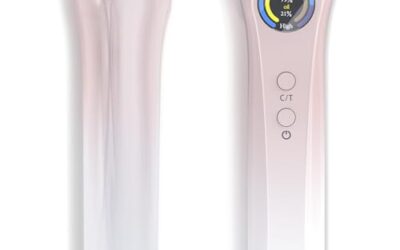
- Gold-plated sensing probe
Cons
- Measures only the outermost skin layer
- No supplied app or data history
- Limited product-specific evidence provided
Specifications
| Color | Pink |
|---|---|
| Dimensions | 6.4173228281 x 1.6535433054 x 1.7716535415 inches |
| Weight | 0.21605301676 pounds |
| Product Group | Beauty |
| Binding | Misc. |
Verify the current product variation before purchase; specifications may change.
Detailed Review
What stands out in the currently available product data:
- See moisture and oil readings to compare skincare changes
- Fast mode delivers results in approximately three seconds
- Accurate mode takes three measurements for added consistency
- Capacitive sensing detects changes on the skin surface
- Gold-plated probes support stable contact and corrosion resistance
- Compact, lightweight design works for home or travel
Best For / Avoid If
Best for buyers prioritizing
- Fast three-second readings
- Moisture and oil measurements
- Fast and accurate testing modes
Consider another option if
- Measures only the outermost skin layer
- No supplied app or data history
- Limited product-specific evidence provided
1. Check the manual before choosing a cleaner
Find the manufacturer’s cleaning instructions before applying liquid, wipes, or disinfectants. The published information for the Amifiy Portable Skin Hydration Tester Home Use describes gold-plated probes, but does not specify a cleaner or cleaning procedure.
That missing detail matters: a cleaning agent safe for one device may damage another probe finish or housing. If the manual is unavailable, contact the manufacturer rather than assume alcohol, soap, or disinfectant is suitable.
2. Switch the device off and prepare a clean surface
Turn the meter off before cleaning, and follow the manual’s directions about batteries or charging. Keep the device away from running water, sinks, and wet countertops while you work.
Wash and dry your hands, then place the meter on a clean, dry surface. Prepare only materials that the manufacturer permits, such as a specified lint-free cloth or approved wipe.
3. Remove visible residue without scrubbing
Inspect the probe for skincare residue, dust, or fibers. Use the manual-approved material to wipe gently; avoid pressing hard, scraping, or rubbing with abrasive cloths that could mark the contact surface.
Do not pour liquid onto the probe or immerse the device unless its instructions explicitly allow it. Keep liquid away from seams, buttons, display, and charging contacts. A gold-plated surface still needs careful handling.
4. Let the probe dry fully
If the permitted cleaning method leaves moisture, let the probe air-dry completely before turning the meter on or taking a reading. Do not use a hair dryer, heater, or direct sunlight to speed drying.
Visible dampness is a clear reason to wait, but a surface can retain moisture after it looks dry. Follow any drying time stated in the manual; do not invent a timing rule when instructions are silent.
5. Check the probe and take a consistent reading
Before use, check for residue, fibers, scratches, or other visible changes. If the probe appears damaged or readings behave unexpectedly, stop using it and consult the manufacturer instead of trying to polish or repair it.
For useful comparisons, keep measurement conditions consistent: use the same skin area and follow the device’s instructions for contact and timing. The Amifiy listing describes fast and accurate modes and notes that repeated measurements can vary by plus or minus ten percent.
6. Store the meter clean and dry
After the probe is dry, store the meter in a clean, dry place where the contact surface will not rub against keys, makeup tools, or other hard objects. Use a supplied cover or case only if the manufacturer recommends it.
Do not store the device while damp or leave it in a humid bathroom if its manual advises against moisture exposure. Our smart skin analysis and hydration category includes related device-care coverage.
7. Clean when needed, not with harsher products
Clean the probe when it has visible residue and follow any frequency specified by the manufacturer. More aggressive cleaning is not automatically more hygienic, especially when the device maker has not approved the chemical or method.
Do not share a skin-contact device without checking its hygiene guidance. If shared use is allowed, follow the maker’s stated cleaning method between users rather than relying on a generic household disinfectant.
Why You Should Trust Us
We base this guide on the product details provided and distinguish those details from general care advice. The Amifiy listing identifies capacitive sensing and gold-plated probes, but supplies no verified cleaning agent, disinfection protocol, or probe replacement schedule.
We therefore do not claim that a particular solvent is safe or that cleaning guarantees accurate readings. Our recommendation is to prioritize the manual, avoid unapproved chemicals and immersion, and contact the manufacturer when care instructions are missing.
Final Thoughts
Among the listed products, the Amifiy Portable Skin Hydration Tester Home Use is the only option, so there is no meaningful basis for separate best overall, best value, and best-for-specific-use winners. Its listed features include capacitive sensing, gold-plated probes, and fast and accurate modes, but cleaning guidance is not provided.
Consider it only if those measurement features fit your routine and you can obtain suitable care instructions. The listed price and rating do not establish probe durability, cleaning compatibility, or measurement accuracy beyond the manufacturer’s stated claims.
For device-care context, compare our skin hydration monitor cleaning and storage guide with the product manual. If the manufacturer cannot clarify cleaning, avoid applying an unapproved solution to the probe.
FAQs
How often should I clean skin hydration meter probes?
Follow the manufacturer’s stated schedule. If no schedule is given, clean visible residue using only an approved method, and do not treat frequent cleaning as a reason to use stronger chemicals.
Can I use rubbing alcohol on hydration meter probes?
Only if the device manufacturer specifically approves it. The supplied Amifiy details do not identify alcohol as a suitable cleaner, so check the manual or ask the manufacturer first.
Can I rinse a skin hydration meter under water?
Do not rinse or immerse it unless the manual explicitly permits that method. Liquid may reach the device housing or electronics, and no water-resistance information was supplied for the Amifiy meter.
How do I clean skin hydration meter probes without scratching them?
Use only the manufacturer-approved material and cleaner, and wipe gently without scraping. Avoid abrasive cloths, brushes, and polishing products unless the instructions expressly recommend them.
Should probes be dry before taking a reading?
Yes, let the probe dry fully after cleaning before using it. Follow any manufacturer directions about drying and measurement contact rather than estimating a universal wait time.
Can I share a skin hydration meter with someone else?
Check the device’s hygiene instructions before sharing. If shared use is permitted, use the manufacturer’s approved cleaning procedure between users; do not assume ordinary wipes are compatible.
Why do repeated hydration meter readings differ?
Contact, placement, skin condition, and measurement conditions can affect readings. The Amifiy product description says repeated measurements may vary by plus or minus ten percent, so compare readings under consistent conditions.
What should I do if the probe looks damaged?
Stop using the device and contact the manufacturer for guidance. Do not sand, polish, or repair a probe yourself, because those actions could alter its surface or performance.
Where can I find more guidance on how to clean skin hydration meter probes?
Start with the device manual or manufacturer support because cleaning compatibility is model-specific. Our guide to cleaning and storing hydration monitors offers additional general care context.
Evidence and safety references
These references support the general technology and safety context. Product specifications can change; confirm the current manual and regulatory status before use.
Safety note: Beauty devices are not a substitute for diagnosis or treatment. Follow the device instructions and consult a qualified clinician if you have a skin condition, take photosensitizing medication, are pregnant, or are unsure whether a device is appropriate.