
Home hydration meters can show changing readings, but timing alone does not make separate measurements comparable. To compare skin hydration readings at the same time each day, keep your skin preparation, test location, device mode, and contact technique consistent.
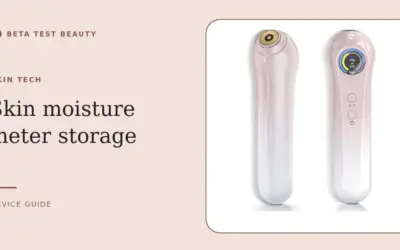
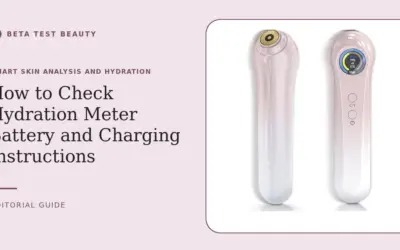
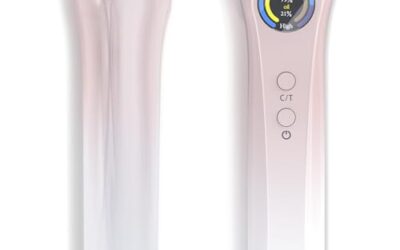
The Amifiy Portable Skin Hydration Tester Home Use reports water and oil levels and offers fast and accurate modes. Its published description notes that repeated measurements can vary by ±10%, so treat results as approximate tracking signals, not clinical measurements.
For device-care guidance, see this guide to cleaning and storing skin hydration monitors. The same careful approach applies to everyday use: control what you can, record what changed, and avoid conclusions from one reading.

Pros
- Fast three-second readings
- Moisture and oil measurements
- Fast and accurate testing modes
- Compact travel-friendly design
- Gold-plated sensing probe
Cons
- Measures only the outermost skin layer
- No supplied app or data history
- Limited product-specific evidence provided
Specifications
| Color | Pink |
|---|---|
| Dimensions | 6.4173228281 x 1.6535433054 x 1.7716535415 inches |
| Weight | 0.21605301676 pounds |
| Product Group | Beauty |
| Binding | Misc. |
Verify the current product variation before purchase; specifications may change.
Detailed Review
What stands out in the currently available product data:
- See moisture and oil readings to compare skincare changes
- Fast mode delivers results in approximately three seconds
- Accurate mode takes three measurements for added consistency
- Capacitive sensing detects changes on the skin surface
- Gold-plated probes support stable contact and corrosion resistance
- Compact, lightweight design works for home or travel
Best For / Avoid If
Best for buyers prioritizing
- Fast three-second readings
- Moisture and oil measurements
- Fast and accurate testing modes
Consider another option if
- Measures only the outermost skin layer
- No supplied app or data history
- Limited product-specific evidence provided
A useful comparison depends less on choosing a particular hour than on repeating the same conditions. The following criteria matter most when you want to separate routine variation from a possible longer-term pattern.
Keep Skin Preparation Consistent
Choose a daily test window and measure before applying skincare, or consistently at the same interval after application. Cleansers, moisturizers, facial oils, sunscreen, sweat, and water can change the surface being measured.
If you want to track a product’s immediate effect, make that a separate comparison: record a pre-application reading, apply the product, then measure after the same waiting period each time. Do not mix those results with readings taken on bare skin.
Use One Location and Repeatable Contact
Measure the same small area each day, such as one cheek, and use the same side of the face. Different facial areas can have different oil levels, exposure, and product residue, making location changes a source of noise.
Place the probe against clean, dry skin using steady contact, following the device instructions. Avoid pressing harder on some days or sliding the probe during a reading; inconsistent placement can make comparisons less meaningful.
Keep Device Mode and Repeats Fixed
The Amifiy tester offers fast mode, described as a three-second reading, and accurate mode, which runs three measurements per cycle. Pick one mode for your tracking log rather than alternating between them.
If using accurate mode, follow its full cycle each time and note the displayed result consistently. If you use fast mode, consider taking more than one reading at the same spot and recording the set, rather than selecting whichever value looks most favorable.
Record Context, Not Just a Number
Log date, approximate time, test location, mode, and whether skin was bare or product-treated. Brief notes about recent washing, exercise, unusual indoor conditions, or a changed routine can explain an unexpected shift.
Look for a repeated direction across several comparable sessions, not a single high or low result. The manufacturer’s stated ±10% variation for repeated measurements is a reminder that small differences may reflect measurement variability.
Control Timing and Environment as Much as Practical
Test at roughly the same point in your routine, such as before morning skincare, rather than relying only on the clock. A reading after a shower is not directly comparable to one taken before washing, even if both happen at the same hour.
Keep the room and device conditions reasonably consistent, and avoid measuring immediately after activities that leave skin warm or damp. You do not need laboratory control; you do need to note circumstances that differ from your normal routine.
Understand What the Device Can and Cannot Tell You
The product description identifies capacitive sensing and reports water and oil readings. Those outputs can support personal routine tracking, but the published information does not establish clinical validation or show that a reading diagnoses a skin condition.
Do not use a meter result alone to make treatment decisions or assess skin health. Persistent irritation, discomfort, or a skin concern calls for advice from a qualified healthcare professional, not repeated home measurements.
Check Fit, Care, and Ownership Needs
The Amifiy unit is described as portable, with a TFT display and gold-plated probes. Portability may suit travel or a simple home log, but frequent location changes can undermine consistency unless you keep the same measurement routine wherever you go.
Follow the manufacturer’s care instructions for the probe and device, and avoid assuming that a coating removes the need for cleaning. For more options and gift-oriented context, compare the site’s skin hydration monitor guide and its smart skin analysis and hydration coverage.
Why You Should Trust Us
Our assessment uses the published product details and focuses on what they support: two testing modes, reported water and oil readings, capacitive sensing, and the stated variation for repeated measurements. We do not present manufacturer descriptions as independent test results.
We also separate practical usefulness from clinical evidence. No study, independent accuracy comparison, warranty term, or long-term durability documentation was supplied, so we do not claim the device is clinically validated or predict its lifespan.
Final Thoughts
The Amifiy Portable Skin Hydration Tester Home Use is the only product in this comparison, so it cannot be named a category-wide winner against alternatives. It is a reasonable fit for someone who wants a compact display-based tool for tracking routine changes and is willing to standardize technique.
Its fast mode favors convenience, while its three-measurement accurate mode better suits users willing to follow a repeatable cycle. Neither mode removes the stated measurement variation, and the available details do not establish clinical accuracy or ongoing ownership costs.
For the most useful results, measure the same clean area under similar conditions and record context alongside readings. Skip the device if you need a medical assessment or expect a single number to confirm whether skincare is working.
FAQs
How do I compare skin hydration readings at the same time each day?
Use the same routine stage, skin location, device mode, and probe contact each day. Record differences such as recent washing or product application instead of treating every reading as directly comparable.
Should I test before or after moisturizer?
Choose one approach and keep it consistent. Bare-skin readings and post-moisturizer readings answer different tracking questions, so do not combine them in one trend line.
How often should I take a hydration reading?
The published product details do not prescribe a testing schedule. A consistent schedule that does not disrupt your routine is more useful than frequent measurements taken under changing conditions.
Why do repeated readings differ?
Probe placement, skin preparation, pressure, and ordinary measurement variation can affect results. The manufacturer says variation of ±10% is considered normal for repeated measurements.
Is accurate mode better than fast mode?
Accurate mode runs three measurements per cycle, while fast mode provides a reading in three seconds according to the product description. Choose based on whether you prioritize a fuller cycle or speed, then keep that mode fixed.
Can a home hydration meter diagnose a skin problem?
No diagnostic capability is established by the published product information. Use readings only for personal tracking, and seek qualified professional advice about persistent symptoms or concerns.
Can I compare readings from different parts of my face?
Different areas may produce different readings, so comparisons are clearer when you repeatedly measure the same spot. If you track multiple areas, keep separate records for each.
What should I do if readings change suddenly?
Repeat the measurement using your usual preparation, location, and mode, then note recent routine changes. If the result accompanies a persistent skin concern, consult a qualified professional rather than relying on the meter.
How should I clean a skin hydration monitor?
Follow the device’s instructions and avoid unapproved cleaners or methods that could damage its probe. This skin hydration monitor cleaning and storage guide offers related care guidance.
Evidence and safety references
These references support the general technology and safety context. Product specifications can change; confirm the current manual and regulatory status before use.
Safety note: Beauty devices are not a substitute for diagnosis or treatment. Follow the device instructions and consult a qualified clinician if you have a skin condition, take photosensitizing medication, are pregnant, or are unsure whether a device is appropriate.