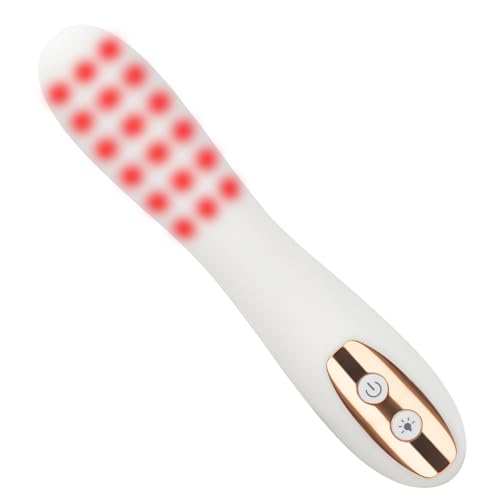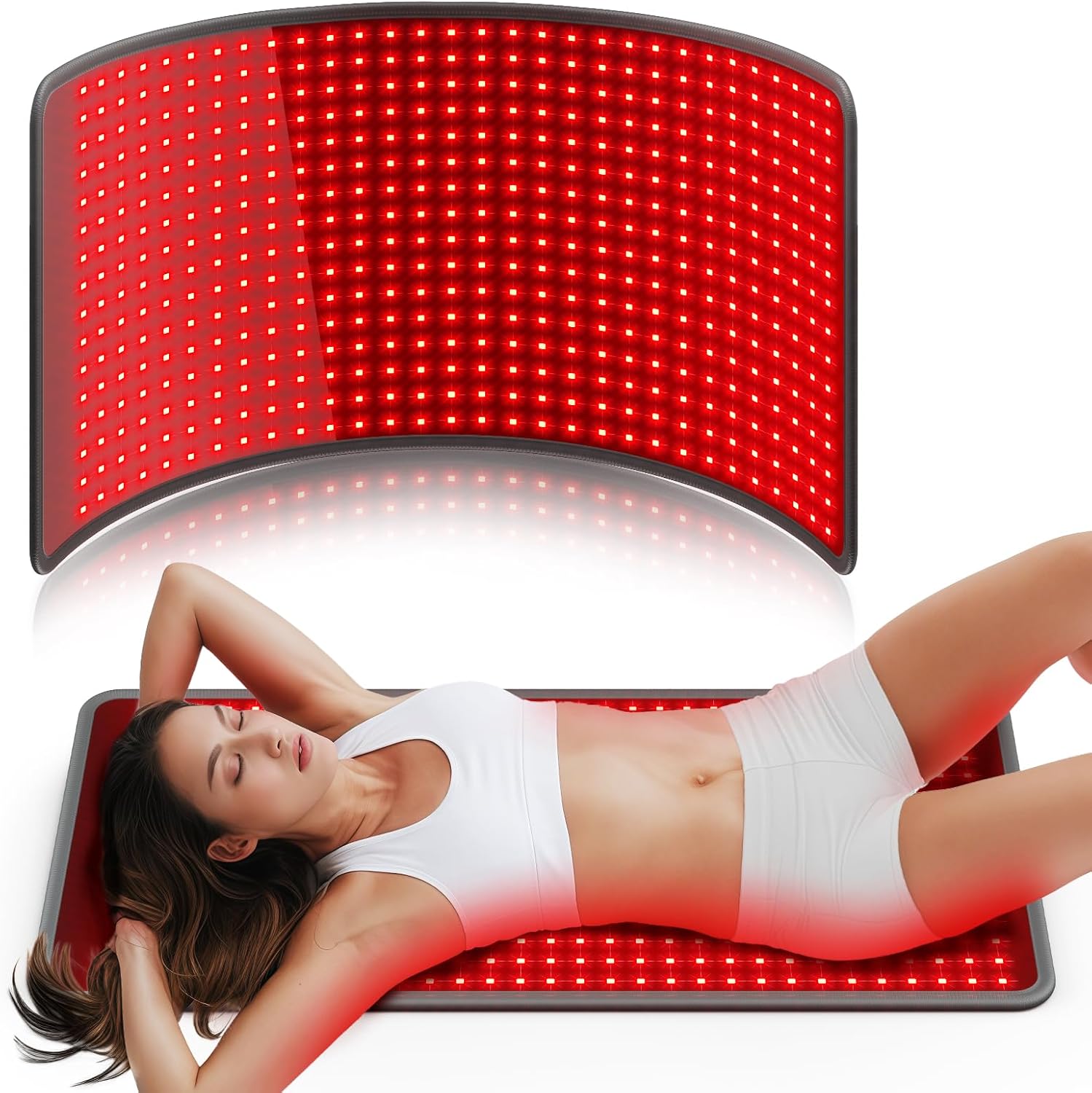

Red light therapy devices need more than a quick wipe after holiday travel, gifting, or seasonal use. Learning how to clean and store red light therapy devices after the holidays helps protect lenses, controls, charging hardware, and treatment consistency.
For October 2026, this guide covers preparation, cleaning, inspection, charging, storage, and safe restart procedures. Readers comparing light therapy equipment can also review the LED Masks and Light Therapy category for broader device guidance.

Pros
- 650nm red and 808nm infrared wavelengths
- Four adjustable brightness levels
- Built-in 3600mAh rechargeable battery
- Foldable stand for hands-free use
- Included protective goggles
Cons
- No supplied clinical evidence
- Requires manual placement across treatment areas
- Limited supplied information on warranty and maintenance
Specifications
| Color | White |
|---|---|
| Dimensions | 2.56 x 2.21 x 10.63 inches |
| Product Group | Drugstore |
| Binding | Health and Beauty |
Verify the current product variation before purchase; specifications may change.
Detailed Review
What stands out in the currently available product data:
- Dual wavelengths target surface and deeper treatment areas
- Four brightness levels support more personalized sessions
- Five to 20-minute timer keeps routines consistent
- Cordless design supports home, office, gym, and travel use
- 3600mAh battery provides 120-plus minutes at mid intensity
- Handheld grip enables targeted placement across body areas
Best For / Avoid If
Best for buyers prioritizing
- 650nm red and 808nm infrared wavelengths
- Four adjustable brightness levels
- Built-in 3600mAh rechargeable battery
Consider another option if
- No supplied clinical evidence
- Requires manual placement across treatment areas
- Limited supplied information on warranty and maintenance
1. Disconnect and cool the device first
Turn the device off, disconnect its charger, and let heat-producing components return to room temperature before cleaning. Wiping a warm device can spread residue across surfaces and may expose charging ports to unnecessary moisture.
Remove detachable stands, straps, goggles, or covers when the manual permits removal. Keep loose accessories together, because missing components can make future sessions inconvenient or encourage unsafe substitutions.
2. Use a gentle, low-moisture cleaning method
Use a soft, lint-free cloth lightly dampened with water to wipe the device exterior and treatment surface. Avoid soaking the cloth, spraying liquid directly onto the device, or allowing fluid to enter buttons, seams, vents, or charging sockets.
For residue that does not lift with water, check manufacturer instructions before using any cleaning agent. Alcohol, abrasive pads, fragranced wipes, and household disinfectants may cloud plastic, weaken coatings, or damage printed controls.
3. Clean contact points and accessories separately
Inspect straps, goggles, stands, and handheld grips for makeup, sunscreen, sweat, or dust accumulated during holiday routines. Clean each accessory according to its material, then let it dry fully before placing it against the device.
Do not assume goggles or fabric straps tolerate the same products as a hard plastic housing. If an accessory has torn, cracked, warped, or become difficult to secure, replace it through the manufacturer rather than improvising.
4. Inspect LEDs, housing, and charging hardware
After cleaning, check for cracked plastic, loose seams, damaged cables, bent charging connectors, or unusual discoloration around LEDs. Stop using equipment with exposed wiring, liquid intrusion, a swollen battery, or a persistent burning smell.
A clean appearance does not confirm electrical safety or optical performance, so visible damage deserves more attention than cosmetic dust. Contact the manufacturer when instructions do not explain a fault, especially while warranty coverage may apply.
5. Charge and store according to battery needs
Recharge a cordless device using its supplied or manufacturer-approved charging equipment, then disconnect it when the manual recommends. Avoid storing lithium battery devices in hot cars, damp bathrooms, direct sunlight, or unheated areas exposed to extreme temperatures.
For longer storage, follow the device manual regarding charge level and periodic charging. The correct routine depends on battery design, so generic battery advice should not override documented manufacturer guidance.
6. Choose a dry, protected storage location
Store the device in a clean, dry drawer, case, or shelf where heavy objects cannot press against LEDs, cables, controls, or flexible panels. Keep it away from cosmetics, loose jewelry, sharp tools, and liquids that could scratch or contaminate surfaces.
A breathable storage pouch can reduce dust while limiting trapped moisture, provided the device is completely dry first. Do not seal damp equipment inside plastic, because condensation can remain near electronic components.
7. Verify the device before restarting treatment
Before the next session, inspect the housing and cable again, confirm controls respond normally, and check that accessories fit securely. Review the treatment instructions rather than increasing duration or intensity to compensate for missed holiday sessions.
Follow eye-protection directions, skin-contact guidance, and stated contraindications for your specific device. Stop if use causes unexpected discomfort, and seek professional advice for medical conditions, photosensitivity concerns, medication interactions, or uncertain symptoms.
Buying Guide for how to clean and store red light therapy devices after the holidays
Cleaning instructions and surface materials
Prioritize products with clear care instructions, smooth surfaces, and removable accessories that can be cleaned without exposing electronics. A complicated design may look premium but create more seams where residue and moisture collect.
Manufacturer guidance matters more than general internet cleaning advice because lens coatings, silicone, fabric, and plastic housings tolerate different products. If documentation is unavailable, choose dry or minimally damp cleaning and avoid chemical experimentation.
Battery and charging design
Cordless devices simplify storage and travel, but battery care becomes part of ownership. Consider charging access, cable quality, storage temperature, and whether the device remains practical after several weeks without use.
The Morfone Handheld Red Light Therapy Device lists a built-in 3600mAh battery, with claimed use exceeding 120 minutes at mid-intensity. Treat that as supplied product information, not an independent endurance measurement, and verify charging instructions before extended storage.
Portability and storage protection
Portable designs help users maintain routines across home, office, gym, and travel settings, but portability increases exposure to dust, impact, and lost accessories. A foldable stand or compact form can improve storage only when parts remain protected during transport.
Morfone lists a lightweight handheld design, anti-slip grip, and foldable stand. Those features may suit targeted use and easier packing, while a dedicated protective case could still matter for frequent travel if included protection is limited.
Treatment controls and restart confidence
Simple controls reduce errors after a device sits unused, especially when brightness, timer, and charging indicators are easy to understand. Morfone lists four brightness levels and a five-minute interval timer covering five to twenty minutes.
More settings do not prove better results, and users should follow supplied instructions rather than selecting maximum intensity automatically. Compare control clarity with your routine, tolerance, treatment area, and willingness to track sessions consistently.
Safety documentation and intended use
Look for clear eye-protection instructions, intended treatment areas, warnings, cleaning limits, and contact information. Product descriptions may use wellness language, but they do not replace professional evaluation or device-specific safety directions.
Morfone lists included protective goggles and use for body areas such as the neck, back, wrist, and muscles. Confirm current documentation before use, particularly for photosensitivity, medication concerns, pregnancy, implanted devices, or existing medical conditions.
Why You Should Trust Us
Our assessment separates supplied specifications from editorial interpretation and avoids claiming hands-on testing, clinical outcomes, durability results, or independent measurements. We evaluate cleaning access, storage risk, controls, battery information, accessories, and practical ownership demands.
Where evidence is limited, we narrow the recommendation instead of treating marketing language as proof. Product details can change, so confirm the current manual, warranty terms, included accessories, and care instructions before purchase or long-term storage.
Final Thoughts
Best overall: Morfone Handheld Red Light Therapy Device suits buyers wanting a portable, targeted format with adjustable brightness, a timer, a stand, and cordless operation. Its storage appeal comes from flexible placement, but battery care and protection from moisture remain essential.
Best value: This product is the only listed option, so no evidence-based value comparison exists across multiple devices. Its fit depends on whether handheld targeting, included goggles, and listed battery features matter more to you than a mask-style format or a larger treatment surface.
Best for specific use: Morfone is most aligned with users who prefer directing light toward smaller body areas rather than wearing a face mask. Readers considering broader device types can compare guidance in the red light therapy mask guide before choosing a format.
FAQs
How often should red light therapy devices be cleaned?
Clean exterior and contact surfaces after use when they collect sweat, skincare residue, or makeup. Always follow the device manual, because cleaning frequency and approved products vary by construction.
Can I spray disinfectant directly onto a red light device?
No. Spray liquid onto an appropriate cloth only when manufacturer instructions permit that cleaner, and keep moisture away from ports, seams, controls, and vents.
How should I store a cordless red light therapy device?
Store it clean and fully dry in a cool, dry location protected from impact, sunlight, liquids, and temperature extremes. Follow manual guidance for charge level and periodic charging.
Should I remove the battery before storage?
Do not open or remove an integrated battery unless the manufacturer specifically provides that procedure. Contact support for battery swelling, overheating, damage, or unusual odor.
Can I use rubbing alcohol on red light therapy equipment?
Only if the manufacturer explicitly approves it for the device materials. Otherwise, use a soft cloth with minimal water and avoid solvents that may damage coatings or plastic.
What should I check before using the device again?
Inspect the housing, LEDs, cable, charging port, controls, stand, and protective accessories. Do not use equipment with exposed wiring, liquid damage, cracks affecting operation, or abnormal heat.
Is how to clean and store red light therapy devices after the holidays different in 2026?
The core process remains stable, but manuals, accessories, batteries, and cleaning instructions can change between models. Check current documentation instead of applying advice from an older device.
When should I ask a professional before using red light therapy?
Ask a qualified healthcare professional about photosensitivity, medication interactions, pregnancy, implanted devices, eye concerns, or unexplained skin reactions. Stop use when symptoms are unexpected or persistent.
Evidence and safety references
These references support the general technology and safety context. Product specifications can change; confirm the current manual and regulatory status before use.
- Systematic review and meta-analysis: LEDs in skin therapy
- Systematic review: photobiomodulation safety for skin rejuvenation
- Systematic review: home-use photobiomodulation devices
Safety note: Beauty devices are not a substitute for diagnosis or treatment. Follow the device instructions and consult a qualified clinician if you have a skin condition, take photosensitizing medication, are pregnant, or are unsure whether a device is appropriate.