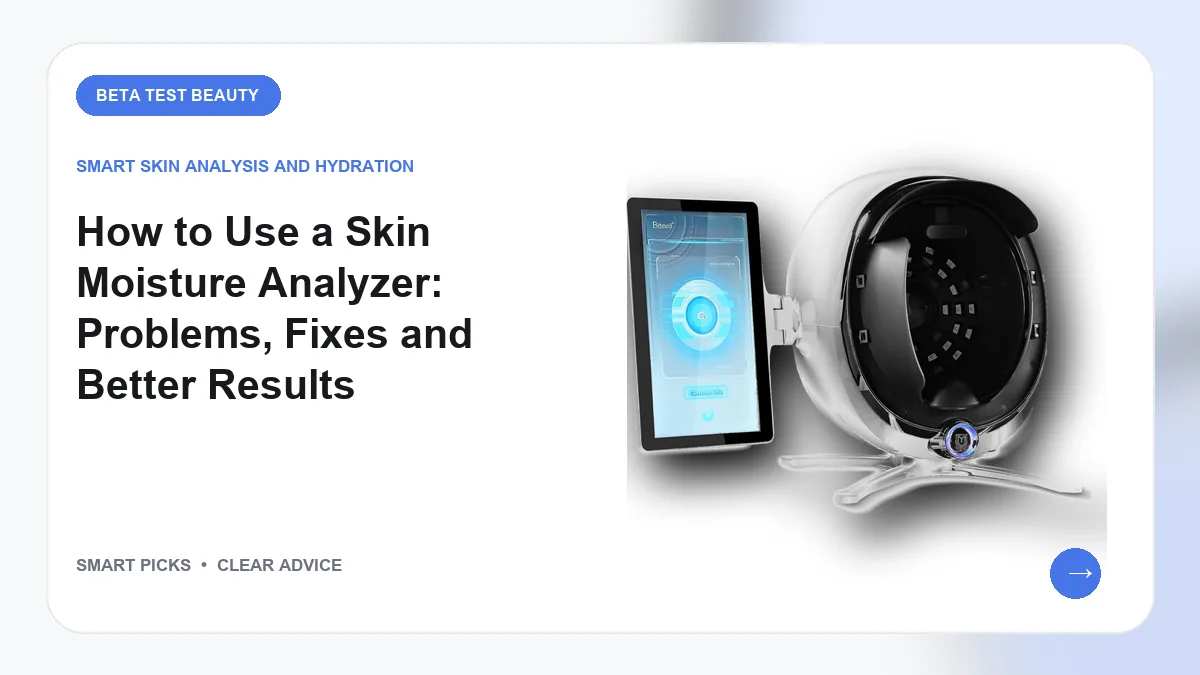

Estheticians and spa owners need more than a camera that magnifies pores. The best skin scanner with app recommendations should support consistent imaging, understandable consultations, and recommendations that remain guided by professional judgment.
For September 2026, our shortlist contains 1 professional system aimed at treatment planning rather than casual home tracking. Shoppers seeking a simpler consumer device should begin with our guide to facial imaging devices for home use.
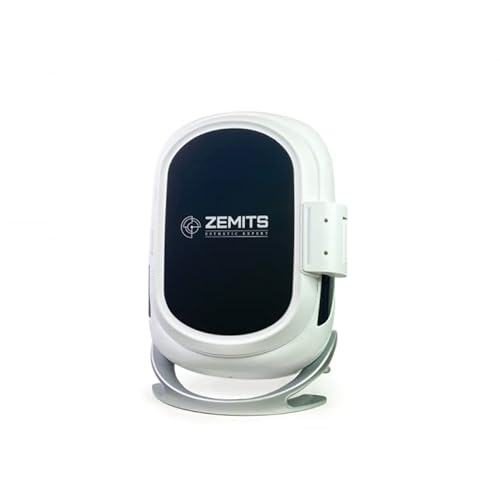
Pros
- RGB, UV, and polarized-light imaging
- 12-factor cosmetic skin analysis
- Progress comparison functionality
- Professional consultation support
- Built-in LCD display
Cons
- Expensive for the segment
- Large 17.6-pound professional unit
- Primarily suited to commercial settings
Specifications
| Color | White |
|---|---|
| Size | VeraFace |
| Dimensions | 16.5 x 14.2 x 22 Inches |
| Weight | 17.6 pounds |
| Product Group | Beauty |
Verify the current product variation before purchase; specifications may change.
Detailed Review
What stands out in the currently available product data:
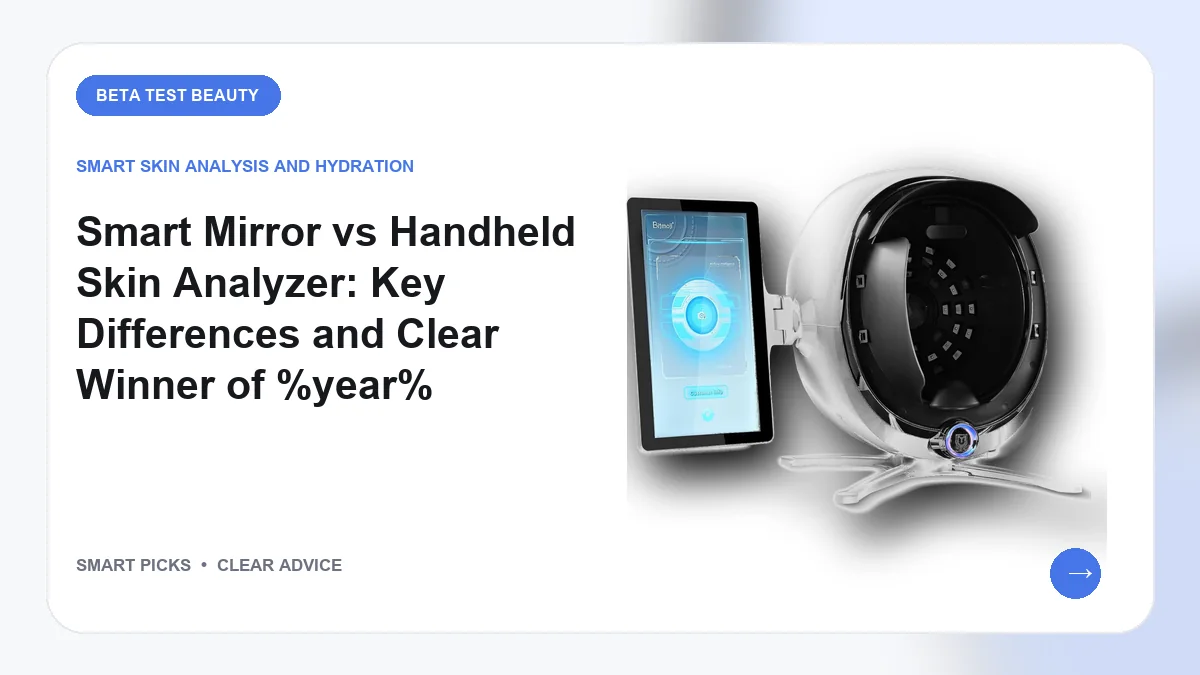
- Combines RGB, UV, and polarized-light imaging for broader visual assessment
- Analyzes 12 cosmetic skin factors, including pores, texture, and hydration
- Creates clearer visuals for personalized skincare consultations
- Supports before-and-after comparisons to illustrate cosmetic progress
- AI-assisted software helps organize consistent client assessments
- LCD display supports on-site consultations without relying solely on external screens
Best For / Avoid If
Best for buyers prioritizing
- RGB, UV, and polarized-light imaging
- 12-factor cosmetic skin analysis
- Progress comparison functionality
Consider another option if
- Expensive for the segment
- Large 17.6-pound professional unit
- Primarily suited to commercial settings
Best Skin Scanner With App Recommendations Buying Guide
Professional Imaging Versus Consumer Tracking
The first decision is whether you need consultation grade imaging or convenient routine tracking. Zemits positions its system for estheticians, salons, spas, and studios, making it unsuitable for most personal bathrooms.
A professional scanner must also produce repeatable images that clients can understand during appointments. If portability and personal trend tracking matter more, an app connected skin analysis device may provide a more practical ownership experience.
Lighting Modes and Analysis Scope
The documented Zemits configuration combines RGB, UV, and polarized light imaging. Those modes can reveal different visible cosmetic characteristics, but they should not be interpreted as medical screening or diagnosis.
The manufacturer describes a 12-factor analysis covering concerns including pores, age spots, fine lines, texture, and hydration. Before purchasing, request definitions for every factor and ask how lighting, makeup, positioning, and ambient conditions influence classifications.
Recommendation Quality and Human Oversight
App recommendations are only useful when their logic matches your services, product inventory, and professional scope. Zemits says its AI assisted software helps estheticians personalize recommendations using products offered within their salon.
That workflow may support retail consultations, although algorithmic output should remain a prompt rather than a prescription. Establish a review process for allergies, active ingredients, pregnancy considerations, medications, recent procedures, and conditions requiring a dermatologist.
Image Consistency and Progress Comparisons
Progress photography becomes persuasive only when each session uses comparable conditions. Standardize cleansing, client position, camera alignment, room lighting, capture mode, and timing relative to treatments or product application.
Zemits documents the ability to capture, display, and compare skin visuals over time. The value comes from a repeatable protocol, because inconsistent preparation can make ordinary image variation resemble meaningful cosmetic change.
Software, Display, and Workflow Compatibility
The product information identifies app support, AI driven software, and an LCD display, but does not specify every compatibility detail. Confirm supported operating systems, user permissions, export formats, update policies, offline functions, and account requirements before ordering.
Map the complete appointment before deciding whether the software saves time. A valuable system should fit intake, image capture, explanation, recommendation, consent, follow up, and record retention without creating duplicate administrative work.
Privacy and Client Data Management
Facial images and consultation histories deserve a written privacy policy, controlled access, and informed client consent. Ask where records are stored, how they are encrypted, whether cloud processing occurs, and how deletion requests are handled.
Also determine whether the app uses client images to improve algorithms or support other commercial purposes. These answers can affect consent language, staff training, retention schedules, and whether the platform suits your jurisdiction.
Total Ownership and Vendor Support
A professional analyzer should be evaluated as business equipment, not as a single beauty purchase. Request written details covering warranty length, training, technical support, software access, replacement parts, repairs, shipping, and future subscription charges.
Estimate value using consultations per month, realistic adoption, staff time, and expected service life. Our personalized smart beauty device guide covers less specialized options when professional imaging cannot justify its operational commitment.
Why You Should Trust Us
Our assessment separates documented product functions from manufacturer positioning and editorial interpretation. We considered imaging modes, analysis scope, recommendation workflow, repeatability, software questions, privacy obligations, maintenance, and likely professional fit.
We did not physically test this system, and the supplied information does not include independent clinical validation or complete software terms. Consequently, we treat its AI analysis as consultation support and flag questions requiring confirmation directly from the seller.
Final Thoughts
Our best overall selection is the Zemits VeraFace Professional Skin Analyzer, because it combines RGB, UV, and polarized imaging with progress comparisons. It makes the strongest case for established esthetic practices that can standardize capture and use visuals throughout consultations.
There is no separate best value pick in this single product shortlist. The Zemits VeraFace Professional Skin Analyzer represents value only when frequent professional use, staff training, and client follow up can justify specialized equipment.
It is also our specific use recommendation for salons wanting visual comparisons linked to product suggestions. Home users and smaller practices should instead explore the broader smart skin analysis and hydration category before accepting this system’s space, workflow, and support requirements.
Frequently Asked Questions
What is the best skin scanner with app recommendations in 2026?
Within this focused shortlist, the Zemits system is the only professional candidate evaluated. Its strongest documented attributes are multiple imaging modes, AI assisted analysis, visual comparisons, and support for salon product recommendations.
Can a skin scanner diagnose skin conditions?
No cosmetic scanner should replace evaluation by a qualified medical professional. Suspicious lesions, persistent irritation, unexplained pigmentation changes, or other health concerns should be referred to a dermatologist or appropriate clinician.
What do RGB, UV, and polarized images show?
Each lighting approach emphasizes different visible or subsurface cosmetic characteristics for consultation. Interpretation depends on equipment design and capture conditions, so ask the vendor for technical documentation and staff training materials.
Are AI skin recommendations always accurate?
AI recommendations depend on image quality, training data, software rules, and client information. An esthetician should review every suggestion for suitability, contraindications, ingredient conflicts, and limits of professional scope.
How often should clients receive a new skin scan?
Timing should reflect the treatment plan, expected cosmetic changes, and manufacturer guidance. Scanning too frequently may emphasize normal variation, while inconsistent intervals make progress comparisons harder to interpret.
Should clients remove makeup before skin analysis?
Clean, consistently prepared skin generally supports more comparable imaging, but follow the device maker’s protocol. Record cleansing products and waiting time so later sessions can reproduce the same preparation.
Is a professional skin analyzer worthwhile for home use?
Usually not, because professional imaging systems involve more space, training, data management, and workflow complexity than individuals need. Consider consumer focused smart skin analysis devices if routine tracking is your main goal.
What should a spa confirm before buying?
Confirm warranty coverage, training, software compatibility, subscriptions, privacy terms, data export, repair procedures, and support response times. A demonstration using your normal consultation workflow can reveal friction that specifications alone cannot show.
Evidence and safety references
These references support the general technology and safety context. Product specifications can change; confirm the current manual and regulatory status before use.
Safety note: Beauty devices are not a substitute for diagnosis or treatment. Follow the device instructions and consult a qualified clinician if you have a skin condition, take photosensitizing medication, are pregnant, or are unsure whether a device is appropriate.