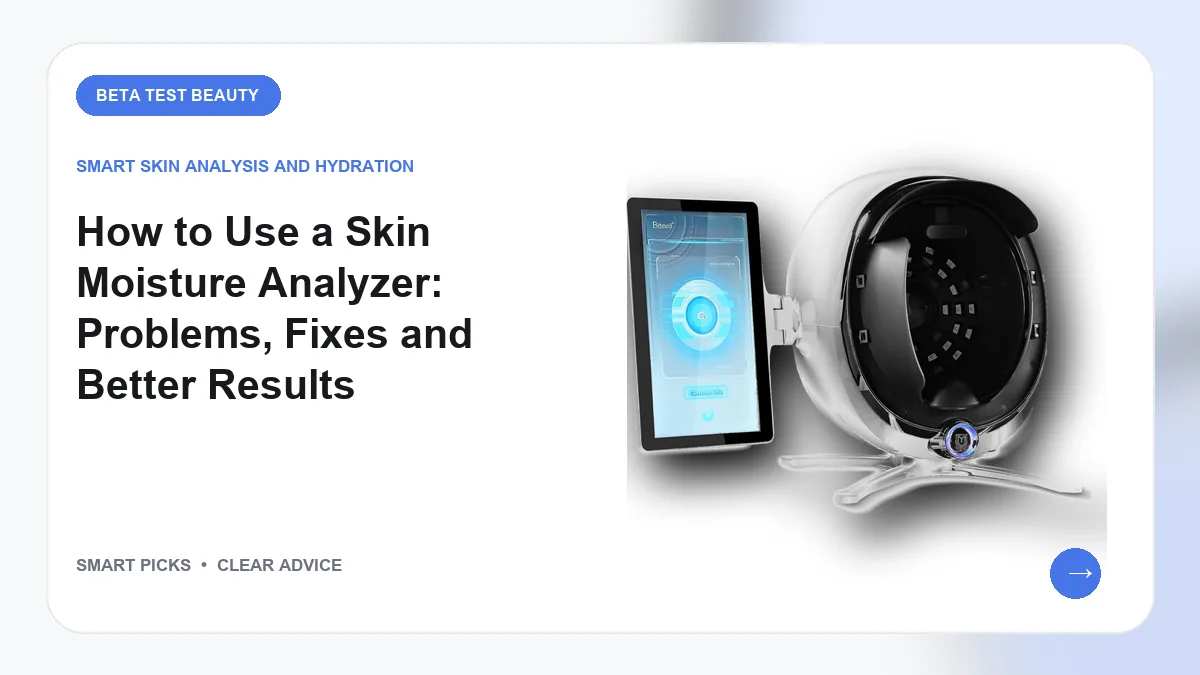

Optical diagnostics depend on clean sensors to deliver reliable readings. When sebum, makeup residue, and dust accumulate on high-resolution cameras or chin rests, your digital scans lose precision and display false pigment spikes.
Maintaining diagnostic imaging gear requires deliberate care across your optical lenses and facial contact points. Explore our overview of the smart skin analysis and hydration category to understand how hardware cleanliness influences your daily tracking data.

Pros
- Eight-spectrum imaging
- 38-megapixel facial capture
- AI-assisted customer file management
- Cloud report sharing
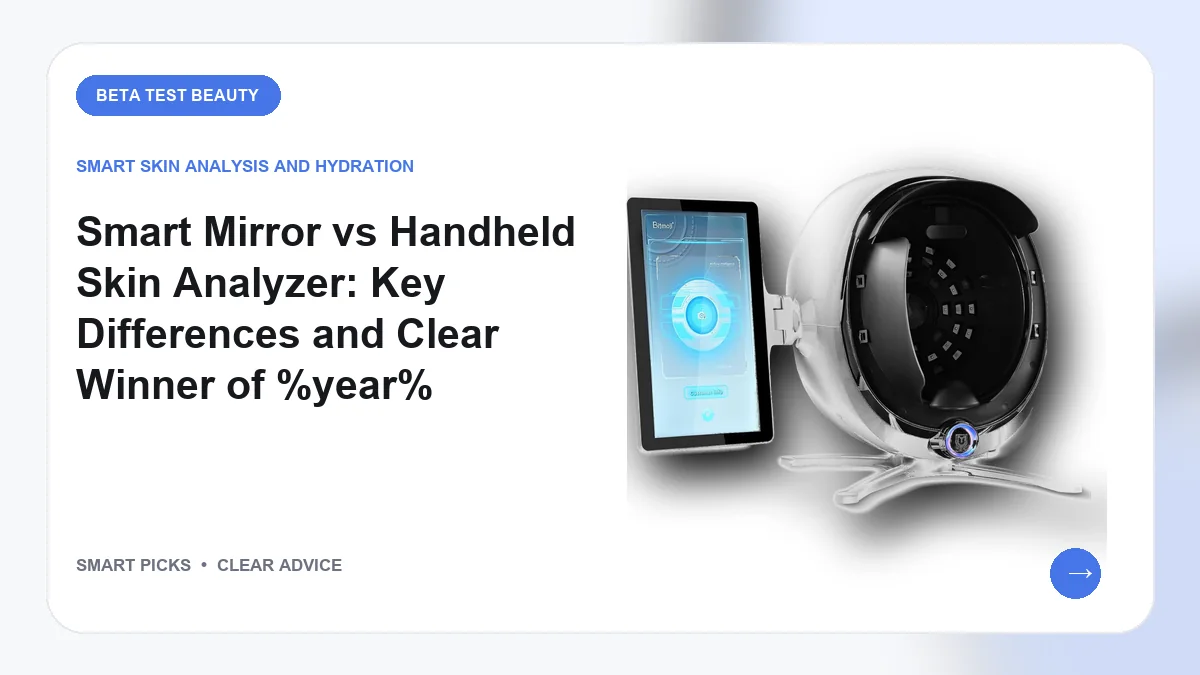
- Large 21.5-inch display
Cons
- Generic brand with limited support details
- Listed screen size is inconsistent
- Cloud privacy and subscription terms unclear
Specifications
| Color | 13.3inches |
|---|---|
| Size | White |
| Product Group | Home |
| Binding | Kitchen |
Verify the current product variation before purchase; specifications may change.
Detailed Review
What stands out in the currently available product data:
- Eight-spectrum imaging helps visualize pigmentation, texture, and acne-related concerns
- 38-megapixel capture supports detailed facial imaging
- AI face recognition enables repeatable customer file management
- 3D simulation presents skin findings in a more accessible format
- Cloud storage supports unlimited customer files and report sharing
- Designed for home use, salons, and dermatology clinics
Best For / Avoid If
Best for buyers prioritizing
- Eight-spectrum imaging
- 38-megapixel facial capture
- AI-assisted customer file management
Consider another option if
- Generic brand with limited support details
- Listed screen size is inconsistent
- Cloud privacy and subscription terms unclear

Pros
- Multi-light facial and scalp analysis
- Long-term skin profile tracking
- Single and comprehensive reports
- Five-year warranty
- CE and RoHS certifications
Cons
- Expensive for the segment
- Professional feature set may overwhelm beginners
- Limited independent feedback
Specifications
| Color | Multicolor |
|---|---|
| Product Group | Beauty |
| Binding | Misc. |
Verify the current product variation before purchase; specifications may change.
Detailed Review
What stands out in the currently available product data:
- Analyzes multiple facial and scalp health indicators
- Supports assessments for acne, scars, pigmentation, and redness
- Uses multi-light detection for broader skin analysis
- Creates profiles to monitor changes over time
- Offers single and comprehensive report modes
- Includes replacement guidance and a five-year warranty
Best For / Avoid If
Best for buyers prioritizing
- Multi-light facial and scalp analysis
- Long-term skin profile tracking
- Single and comprehensive reports
Consider another option if
- Expensive for the segment
- Professional feature set may overwhelm beginners
- Limited independent feedback
Optical Lens and Multi-Spectrum Sensor Maintenance
Camera sensors capture cross-polarized, parallel-polarized, and ultraviolet images to identify subsurface conditions. Fingerprints or airborne oils coat these delicate elements and disperse incoming light rays unevenly.
Begin by blowing loose dust particles off the glass elements using an optical air bulb. Never blow on internal camera surfaces with your breath because microscopic saliva droplets cause stubborn surface streaks.
Moisten an optical microfiber cloth with dedicated lens cleaning solution rather than household glass spray. Gently wipe from the center of the lens glass outward in smooth concentric circles to prevent permanent scratches.
Chin Rests, Forehead Stops, and Contact Surface Disinfection
Rigid facial positioners collect heavy deposits of sebum, foundation, and dead skin cells during each scan. If these contact points stay dirty, they transfer bacteria across repeated sessions and create ongoing skin irritation.
Wipe the plastic or silicone frame parts using hospital-grade alcohol-free disinfectant wipes between every scan. Isopropyl alcohol can cloud clear acrylics and dry out flexible silicone over months of regular use.
Let all wiped contact zones air dry completely before placing your face into the device frame. For more ideas on managing complex beauty equipment, check out our guide to the best facial imaging device for home use.
Lighting Hood and Dark Chamber Dust Removal
Light hoods create an enclosed diagnostic chamber that blocks ambient room lighting during multi-spectrum exposures. Ambient dust clinging to interior hood fabric or matte walls will bounce stray light back into the camera.
Use a soft anti-static brush or a low-suction handheld vacuum to clean fabric shrouds once each week. Avoid using damp towels on fabric liners because moisture traps mildew inside enclosed storage cases.
For smooth composite chambers, wipe the interior matte surfaces with a dry electrostatic cloth. Maintaining matte black surfaces prevents unwanted reflections that disrupt algorithm calculations.
Touchscreen Displays and Control Panel Sanitization
Integrated capacitive touchscreens pick up skincare serums and natural hand oils throughout standard operational steps. Built-up finger grease makes screen navigation sluggish and limits visual clarity during report reviews.
Power down the hardware before spraying liquid cleaners so you do not activate controls accidentally. Mist a specialized electronics screen cleaner onto a clean microfiber cloth rather than spraying the console glass directly.
Wipe the display panel along linear strokes from top to bottom without applying excessive thumb pressure. Excess moisture along display edges can seep behind display bezels and cause internal short circuits.
Ventilation Grilles, Power Connections, and Cooling Ports
High-intensity light arrays generate heat that relies on silent intake fans and rear exhaust vents. Lint and household dust build up across ventilation grilles, raising internal operational temperatures.
Inspect the intake ports every month and clear visible debris with short blasts of compressed air. Keep the air canister strictly upright to prevent cold liquid propellant from spraying internal circuit boards.
Wipe external cable lines and power ports using a dry brush to remove gathered grime. Keeping electrical points free from dust ensures steady current delivery for sensitive imaging equipment.
Cable Management and Storage Hygiene
Coiling power cables too tightly strains internal copper wiring and damages diagnostic connections over time. Store interface cords in loose loops secured with hook-and-loop straps rather than tight rubber bands.
Place an anti-dust cover over your entire imaging device whenever the system remains turned off. Storing your machine under a protective cover keeps airborne bathroom humidity and vanity sprays off sensitive lenses.
You can read our analysis of the best app connected skin analysis device to learn more about preserving wireless hardware over extended ownership periods.
Why You Should Trust Us
Our editorial approach focuses on hardware engineering, optical maintenance realities, and verified brand documentation. We evaluate high-tier personal diagnostic devices by examining structural materials, optical component durability, and long-term ownership costs.
We review official user manuals, optical sanitation standards, and mechanical guidelines to verify every recommended procedure. Our recommendations highlight practical performance and safety parameters without promotional inflation.
Final Thoughts
For dedicated facial and scalp assessments across multiple illumination spectrums, we suggest the AI Skin Analyzer Device for Face and Scalp. Its multi-light system delivers detailed pore and moisture readings, and its smooth surfaces wipe down quickly after treatment sessions.
If your priority is a wide digital display and expansive image archiving, the 3D Digital Skin Analyzer Machine represents our pick for advanced spatial mapping. The large display needs regular microfiber screen wiping, but its cloud report tools deliver remarkable diagnostic detail.
Pairing your machine maintenance with tailored daily products enhances your results, so browse our picks for the best smart beauty device for personalized routines to build an effective regimen.
Frequently Asked Questions
Can I use regular rubbing alcohol to clean my skin analyzer lens?
No, you should never apply standard rubbing alcohol directly to optical camera lenses. High alcohol concentrations strip anti-reflective coatings and leave foggy streaks across the camera glass.
How often do I need to sanitize the chin rest on my analyzer?
Sanitize the chin support and forehead rest immediately before and after every skin assessment session. Wiping the contact points frequently prevents sebum accumulation and stops bacteria transfer between household users.
What should I do if moisture gets trapped inside the optical dome?
Power down the hardware immediately and unplug the main power supply from the wall outlet. Place the analyzer in a dry room with silica gel packs rather than using heat guns.
Can dirty camera glass alter my hydration and wrinkle scores?
Yes, dirty optical elements scatter light and artificially inflate redness readings while blurring fine wrinkle lines. Keeping lenses clean is essential for capturing trustworthy data over several months.
What is the safest way to clean touchscreen panels on diagnostic units?
Turn the screen off and apply an electronics-safe display spray onto a microfiber cloth. Wipe across the glass surface gently without pushing down on delicate touchscreen digitizers.
How do affordable units compare to high-end salon models for cleaning?
Entry-level diagnostic tools generally feature compact handheld probes that wipe down in seconds with dry cloths. Review our recommendations for the best smart skin analysis devices under $300 to see how compact hardware simplifies routine care.
Does compressed air damage internal optical sensors?
Short bursts from an upright compressed air can safely remove loose dust from exterior ventilation slots. Holding the can sideways or shaking it releases liquid propellant that permanently spots sensor glass.
Evidence and safety references
These references support the general technology and safety context. Product specifications can change; confirm the current manual and regulatory status before use.
Safety note: Beauty devices are not a substitute for diagnosis or treatment. Follow the device instructions and consult a qualified clinician if you have a skin condition, take photosensitizing medication, are pregnant, or are unsure whether a device is appropriate.