
Many shoppers searching for at-home skin rejuvenation wonder about rf facial device heat vs radio frequency mechanisms. While simple warm massage tools rely on conductive surface heat, true radio frequency generates controlled thermal energy deep inside the dermis. Knowing the difference protects your skincare investment and clarifies what these devices actually accomplish.
High-end home devices use precise electromagnetic currents to stimulate tissue response without scalding the outer barrier. In October 2026, distinguishing authentic energetic heating from basic heating coils remains the most critical step before starting a lifting regimen.
Dermal Resistance and Volumetric Heating
True radio frequency technology functions by directing electrical energy between conductive electrodes. When this alternating current meets the natural resistance of your skin tissue, it converts directly into targeted heat within the collagen-dense dermis.
In contrast, standard thermal skincare wands warm an external metal plate that rests against the epidermis. This surface warmth dissipates rapidly across the stratum corneum rather than reaching structural layers where long-term collagen remodeling occurs.
Electrode Configuration and Current Penetration
Authentic devices feature bipolar, tripolar, or multipolar electrode arrangements designed to control electrical pathways. Bipolar devices pass current between closely paired contact pins to manage localized depth with predictable safety margins.
Multipolar systems cycle through varying contact points to distribute energy evenly across broader facial contours. A basic heating device lacks distinct polarity and simply warms an entire metal plate without directing energy flow beneath the surface.
Real-Time Thermal Sensors and Safety Regulation
Effective collagen contraction requires raising target tissue temperatures to approximately 40 to 43 degrees Celsius. Maintaining this therapeutic window without burning sensitive facial skin requires integrated real-time infrared or contact thermistors.
Advanced engineering automatically throttles current or halts energy delivery if contact stops or surface temperatures climb too fast. Low-grade thermal devices often rely on crude thermal fuses that provide uneven warmth without tissue-level feedback.
The Necessity of Conductive Contact Mediums
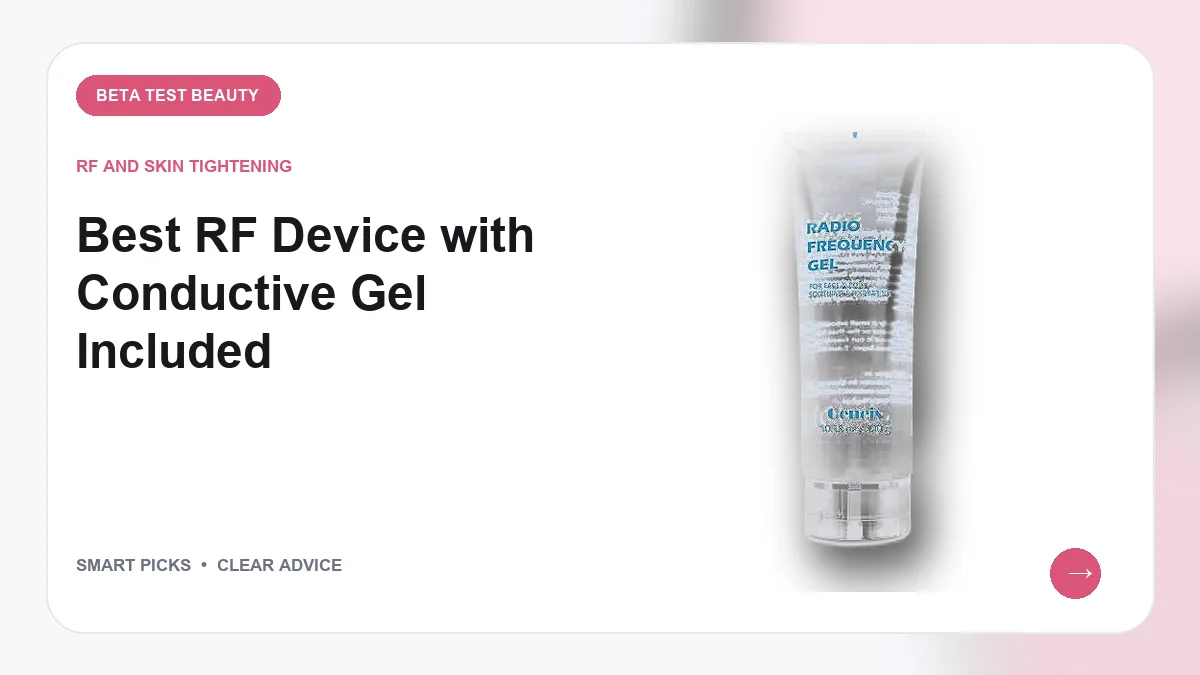
Authentic radio frequency devices require a specialized water-based conductive gel to allow current transmission into the skin. This medium reduces surface impedance, eliminates arcing between electrodes, and keeps gliding motions completely smooth during treatment.
Conductive gel also shields the epidermal boundary layer from excessive direct friction while energy concentrates beneath. Plain heating tools generally work dry or with standard facial oils, which can degrade radio frequency signal transmission.
Frequency Specifications and Depth Control
Professional home devices generally emit frequencies between 0.5 megahertz and 2.5 megahertz. Lower frequencies penetrate deeper into subcutaneous tissue, whereas higher frequencies focus thermal energy closer to the upper dermis.
Genuine clinical manufacturers transparently list their frequency outputs in megahertz within official technical specifications. Generic warm-plate devices omit electrical frequency ratings entirely because their internal components produce thermal heat via simple resistive wire.
Treatment Commitment and Cumulative Adaptation
Radio frequency does not produce permanent structural transformation in a single afternoon session. Safe home devices require continuous use across six to eight weeks to induce lasting fibroblast activity and firmer skin texture.
Surface heat wands provide immediate soothing circulation and temporary facial glow, but these effects recede within several hours. Investing in genuine RF requires a realistic schedule of weekly treatments to realize meaningful contour improvements.
Why You Should Trust Us
Our editorial team evaluates personal care technology through strict engineering principles, published dermatological research, and objective technical documentation. We assess energy delivery methods, safety sensor design, and compliance standards rather than relying on unverified claims.
We analyze manufacturer specifications to separate legitimate therapeutic beauty technology from basic heated massage gadgets. Our commitment to transparent evaluation ensures you receive pragmatic guidance suited for your long-term skincare investment.
Final Thoughts
Choosing between simple heat and true radio frequency comes down to your personal rejuvenation goals. If your objective is quick product absorption and pleasant lymphatic drainage, an inexpensive conductive warm wand provides sufficient surface comfort.
If you want structural firming and genuine collagen activation, an authentic radio frequency device with documented megahertz ratings is necessary. While true RF machines require conductive medium and dedicated weekly sessions, the deeper tissue benefits justify the added protocol.
FAQs
How can I verify if a device uses true radio frequency instead of just heat?
Inspect the device specifications for an operating frequency stated in megahertz or kilohertz alongside distinct metal polarity pins. True RF units also require a water-based conductive gel to operate correctly and deliver noticeable electrical sensation.
Does genuine radio frequency hurt more than basic conductive thermal wands?
Genuine radio frequency feels like an intense, blooming warmth spreading from beneath the skin rather than a hot iron resting on top. When paired with proper conductive gel, the treatment remains comfortable and completely soothing throughout the routine.
Why is rf facial device heat vs radio frequency an important distinction for anti-aging?
Surface warmth dissipates in the upper epidermis without reaching the dermal matrix where structural collagen exists. Genuine radio frequency concentrates therapeutic warmth deep within targeted tissue layers, triggering restorative cellular renewal over consistent treatment weeks.
Can I use everyday skincare oils with radio frequency devices?
Skincare oils act as electrical insulators that block radio frequency energy from entering dermal tissue. You must always use an approved water-based conductive gel during treatment and save rich facial oils for after your session ends.
What safety precautions matter most with radio frequency facial devices in 2026?
Always keep the device gliding across your skin to prevent heat accumulation in any single spot. Look for units with integrated temperature monitoring that automatically lower power if surface skin reaches 43 degrees Celsius.
Are there contraindications for at-home radio frequency treatments?
Avoid radio frequency treatments if you have an implanted electronic pacemaker, metal facial plates, active rosacea, or open skin lesions. Pregnant or nursing individuals should avoid at-home energy devices and consult a certified dermatologist before beginning any protocol.
How often should I use an at-home radio frequency machine?
Most clinical brands recommend using your device two to three times per week for the initial two months. Once you complete your initial treatment phase, a single weekly session is generally sufficient to sustain your skin firmness.
Evidence and safety references
These references support the general technology and safety context. Product specifications can change; confirm the current manual and regulatory status before use.
- Systematic review: radiofrequency-based facial rejuvenation
- Systematic review: home-based dermatology devices
- Randomized trial: home-use multi-energy facial device
Safety note: Beauty devices are not a substitute for diagnosis or treatment. Follow the device instructions and consult a qualified clinician if you have a skin condition, take photosensitizing medication, are pregnant, or are unsure whether a device is appropriate.