
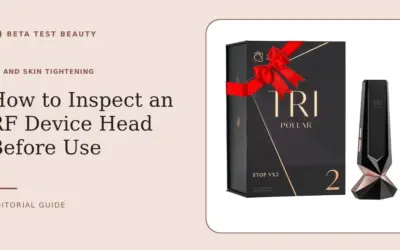
What to Check on an RF Device Head Before Use in 2026
A damaged or dirty RF treatment head can make a device unsuitable for use. Learn what to inspect, what to clean, and when to stop and contact the manufacturer.
We independently review everything we recommend. When you buy through our links, we may earn a commission. As an Amazon Associate we earn from qualifying purchases.
At-home radio-frequency and skin-tightening devices assessed by energy controls, treatment protocol, evidence, comfort, safety guidance, warranty, and value.
A damaged or dirty RF treatment head can make a device unsuitable for use. Learn what to inspect, what to clean, and when to stop and contact the manufacturer.
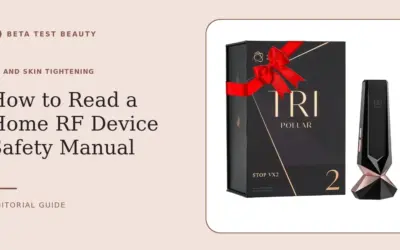
A home radio frequency device manual is part of the treatment protocol, not optional fine print. Learn which instructions affect safety, suitability, and consistent use.
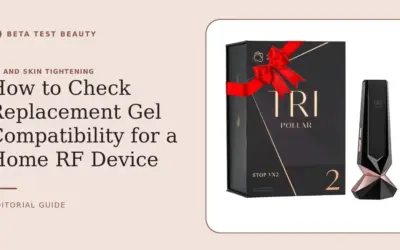
Replacement gel compatibility depends on your RF device’s instructions, not on a gel’s general skin-care label. Use this checklist to verify the formula, application method, and safety guidance before treatment.
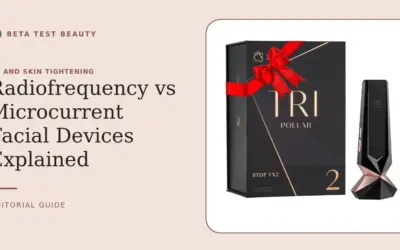
Radiofrequency and microcurrent devices use different forms of energy, so they are not interchangeable. Learn what each approach involves, what product details remain unverified, and how to choose cautiously.

RF and LED use different technologies, even when combined in one beauty device. Learn how to check treatment modes, protocols, and safety guidance before buying.
Safe preparation starts with the exact manual for your device, not assumptions based on another radio-frequency model. Learn what to check before use, how to follow the stated protocol, and when to stop and ask a professional.
A home RF device warranty matters most when it clearly covers the parts and failures that could interrupt regular use. Compare coverage length, exclusions, support, and ownership costs before treating warranty language as a sign of value.
A temperature sensor can help an at-home radio-frequency device monitor heat during use. Its presence does not replace correct technique, manufacturer instructions, or attention to skin comfort.
Home radiofrequency devices warrant a clinician conversation when you have health conditions, use medications, or have prior procedures. These questions help clarify personal risks, device limits, and when to wait.
Proper storage helps keep RF device gel and accessories clean, usable, and easy to find. Follow device-specific instructions, especially for gel contact, cleaning, and charging.