
Short answer: most home RF devices are used two or three times a week for the first six to eight weeks, then once a week or every other week for maintenance. Some gel-free devices allow daily use. Always follow your own manual.
More isn’t better. RF works by gently heating the skin, and the skin needs time to respond between sessions.

Pros
- No special gel required
- Daily use with short sessions
- App for tracking and guides
- Lightweight and easy to hold
- Effective for elasticity and lines
Cons
- Must move slowly for energy delivery
- Can cause temporary redness or heat
- Not for use on eyelids or directly under eyes
Specifications
| Product Dimensions | 11.46 x 6.5 x 3.66 inches; 10.23 ounces |
|---|---|
| Item model number | Age-r40.68 |
| Batteries | 1 Lithium Ion batteries required. (included) |
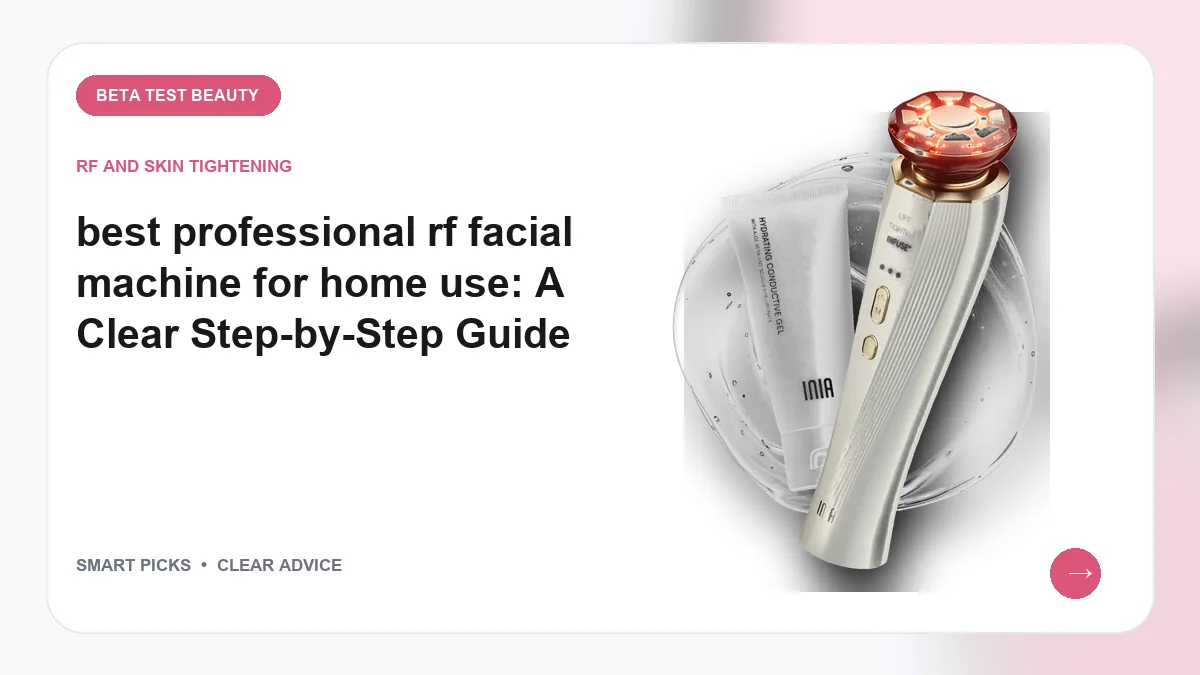
| Manufacturer | Medicube |
| ASIN | B0DHKK1DN6 |
| Best Sellers Rank | #97,538 in Beauty & Personal Care (See Top 100 in Beauty & Personal Care) #118 in Wrinkle & Anti-Aging Devices |
| Customer Reviews | 4.2 4.2 out of 5 stars (178) |
Verify the current product variation before purchase; specifications may change.
Detailed Review
What stands out in the currently available product data:
- Dual Tune-Wave technology combines RF and microcurrent for skin elasticity and line care, offering a luxurious home spa experience without a special gel.
- Daily use is safe, with recommended sessions of 5-10 minutes, allowing flexibility to adjust based on skin sensitivity.
- Six tips with 6mm spacing and 3mm wave radius ensure precise energy delivery only when all tips contact skin, for safety and effectiveness.
- Compatible with any absorbed skincare product, enhancing absorption and boosting radiance without needing additional gels.
- AGE-R app provides custom guide videos, tracking calendar, and visual progress to optimize and personalize your routine.
- Lightweight design at 10.23 ounces, making it easy to handle for targeted treatments around the jawline, cheeks, and neck.

Pros
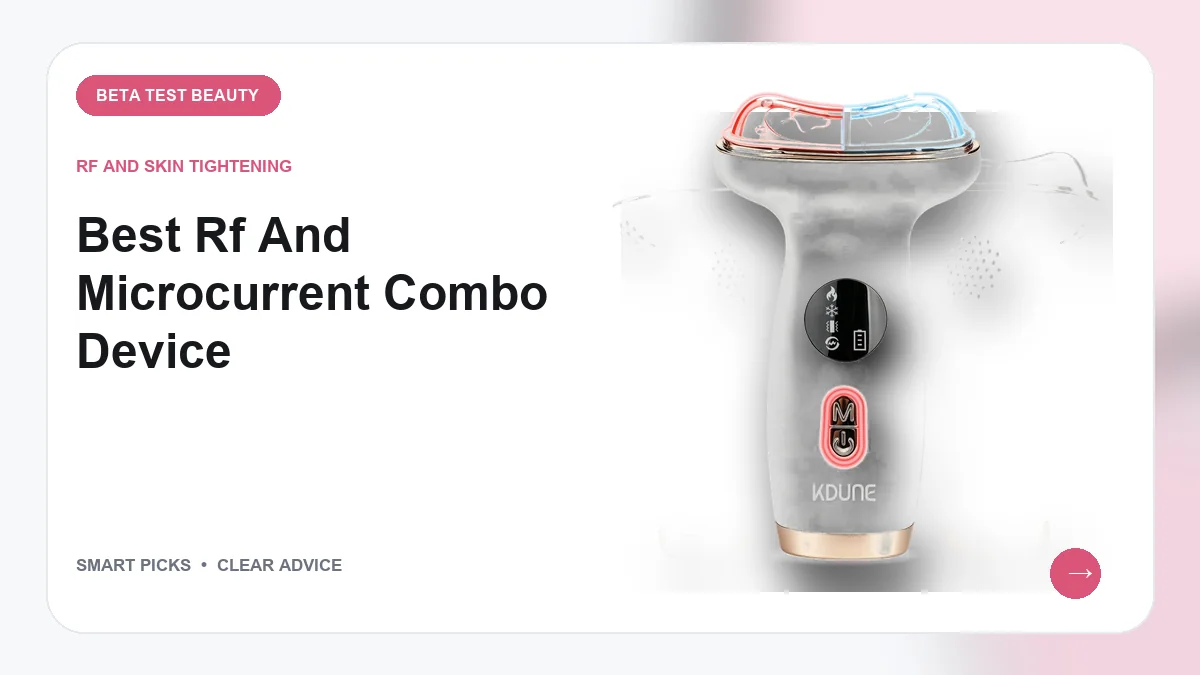
- Multi-RF and DMA combination
- At-home convenience
- Pollogen brand association
- 2023 model update
- Handheld facial form factor
Cons
- Battery life and charging unspecified
- Treatment protocol not documented
- Warranty details not provided
Specifications
| Package Dimensions | 8 x 5 x 4 inches; 1.75 pounds |
|---|---|
| Date First Available | September 6, 2023 |
| Manufacturer | TriPollar |
| ASIN | B0CHG97TT9 |
| Best Sellers Rank | #360,177 in Beauty & Personal Care (See Top 100 in Beauty & Personal Care) #592 in Wrinkle & Anti-Aging Devices |
Verify the current product variation before purchase; specifications may change.
Detailed Review
What stands out in the currently available product data:
- Dual-technology approach with Multi-RF and DMA in a single session
- At-home design keeps professional-grade technology accessible without appointments
- Newer-generation TriPollar Stop model with a 2023 release date
- Compact handheld form factor allows targeted treatment of facial areas
- Pollogen-branded model line adds a clinical aesthetic pedigree
- Suitable for users who prioritize convenience and consistent self-care routines
Best For / Avoid If
Best for buyers prioritizing
- Multi-RF and DMA combination
- At-home convenience
- Pollogen brand association
Consider another option if
- Battery life and charging unspecified
- Treatment protocol not documented
- Warranty details not provided

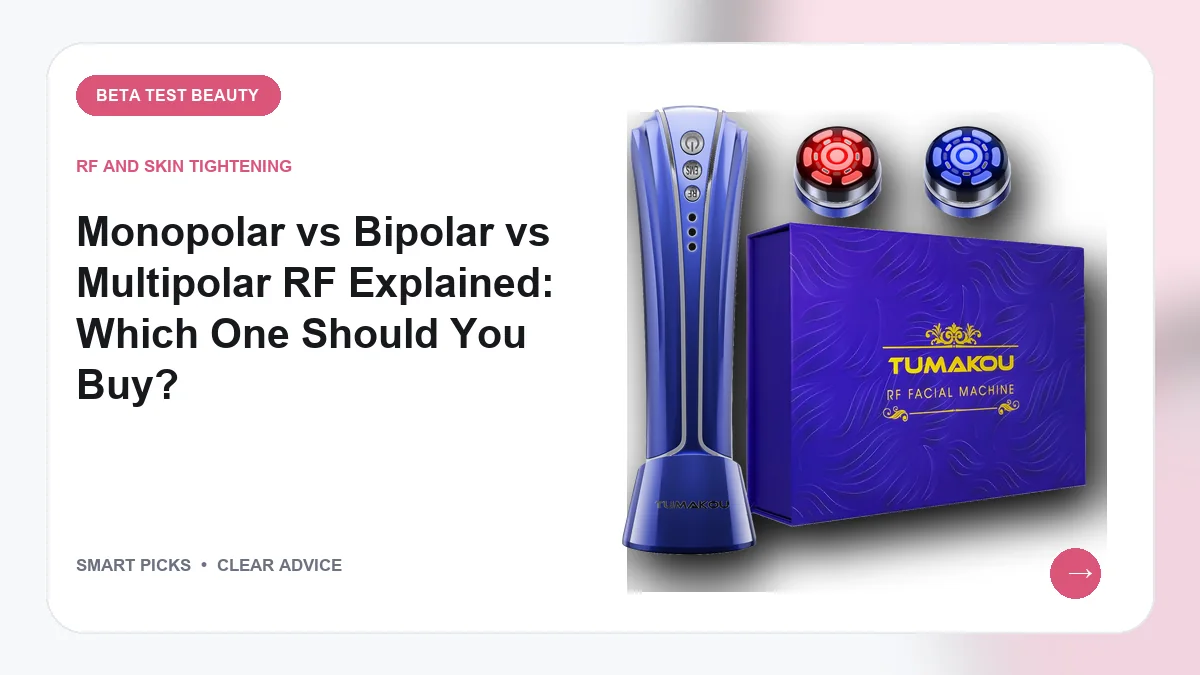
Pros
- Three intensity levels
- Long-lasting 2000mAh battery
- Wireless and travel-friendly
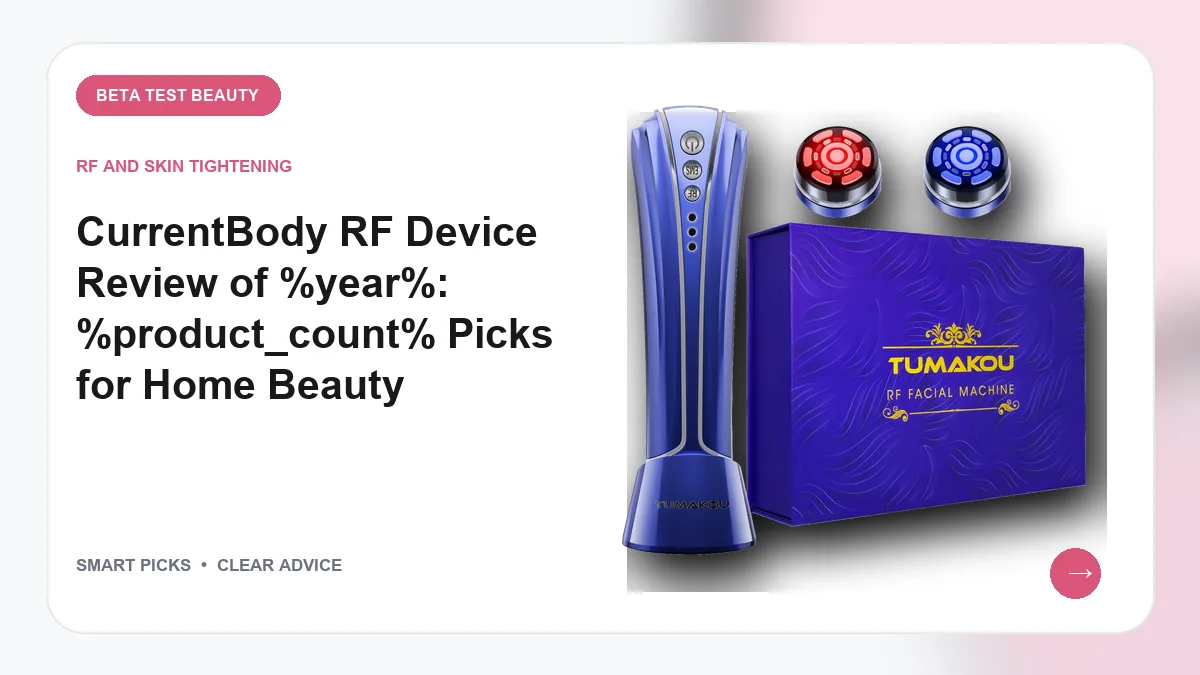
- Red and blue LED modes
- Straightforward twice-a-week use
Cons
- Charging plug not included
- Results need consistent use
- No published clinical evidence
Specifications
| Product Dimensions | 7.8 x 2.4 x 2.3 inches; 9.92 ounces |
|---|---|
| Batteries | 1 Lithium Ion batteries required. (included) |
| Manufacturer | TUMAKOU |
| ASIN | B0DGSQQ9VX |
| Best Sellers Rank | #483,472 in Beauty & Personal Care (See Top 100 in Beauty & Personal Care) #788 in Wrinkle & Anti-Aging Devices |
Verify the current product variation before purchase; specifications may change.
Detailed Review
What stands out in the currently available product data:
- Combines radio-frequency energy with red or blue LED light in one portable device, so you can address different skincare needs without multiple tools.
- Three adjustable energy levels let you dial the intensity up or down based on your comfort and sensitivity.
- Wireless, cord-free design with a 2000mAh rechargeable battery keeps sessions convenient at home or in a suitcase.
- Battery indicator clearly shows remaining power, helping you avoid mid-session shutdowns.
- Twice-a-week usage protocol is easy to slot into your existing routine with your own skincare products.
- Compact 7.8-inch form factor is easy to hold and store, making it a practical entry point for home RF and LED care.
Best For / Avoid If
Best for buyers prioritizing
- Three intensity levels
- Long-lasting 2000mAh battery
- Wireless and travel-friendly
Consider another option if
- Charging plug not included
- Results need consistent use
- No published clinical evidence
Pros
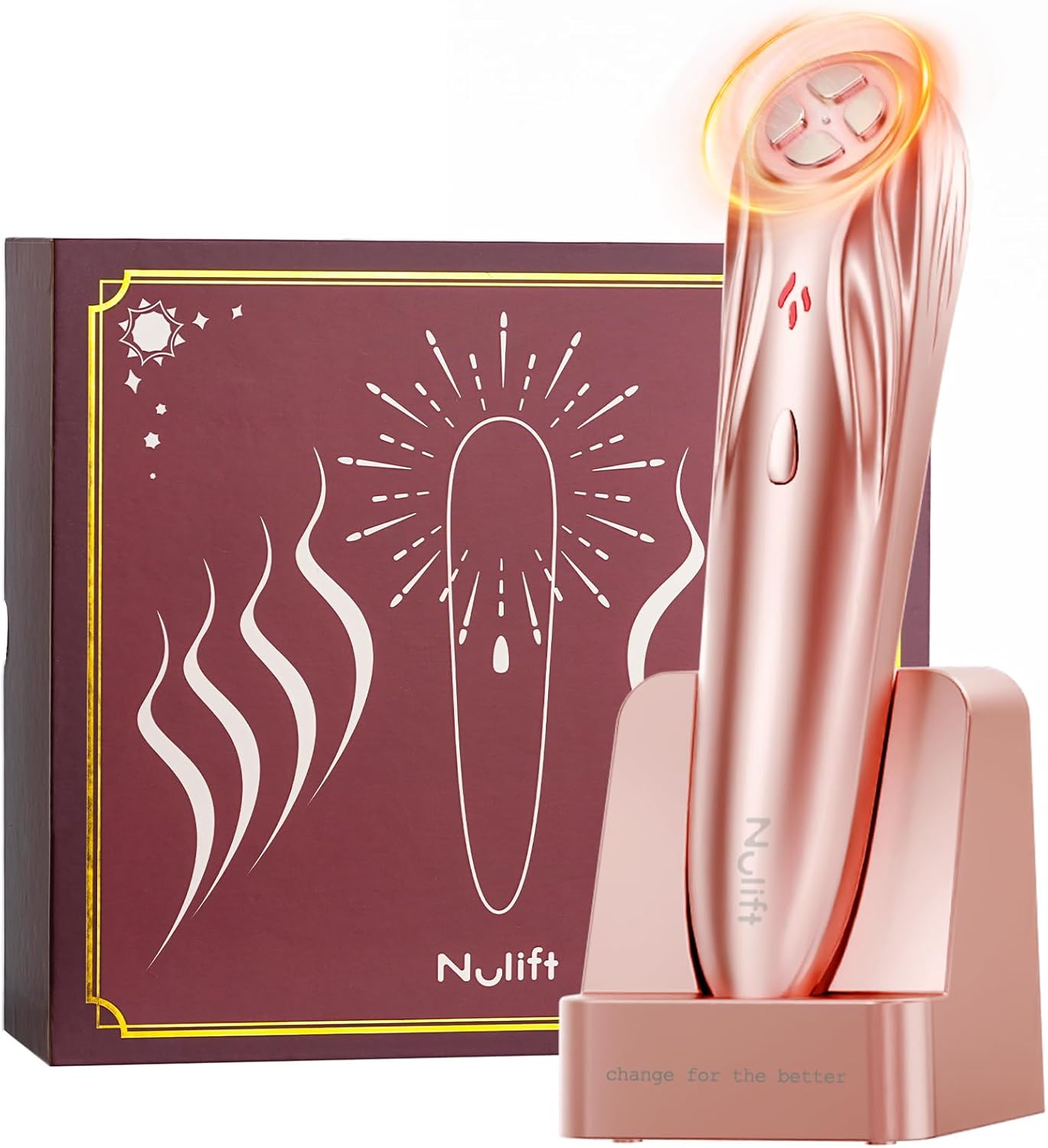
- Cordless and portable
- Weighs just 4.16 ounces
- Three adjustable intensity levels
- Battery included for immediate use
- Compact, contour-following wand
Cons
- Requires disposable A batteries
- No verified user reviews yet
- Limited to three preset power levels
Specifications
| Product Dimensions | 7.8 x 1.6 x 1.2 inches; 4.16 ounces |
|---|---|
| Item model number | NL-08 |
| Batteries | 1 A batteries required. (included) |
| Date First Available | October 28, 2024 |
| Manufacturer | Divmceknyy |
| ASIN | B0DJLJ5TYY |
| Best Sellers Rank | #254,112 in Beauty & Personal Care (See Top 100 in Beauty & Personal Care) #400 in Wrinkle & Anti-Aging Devices |
Verify the current product variation before purchase; specifications may change.
Detailed Review
What stands out in the currently available product data:
- Uses radio-frequency energy for facial lifting and skin-tightening routines
- Fully wireless design allows convenient, cord-free use anywhere
- Three intensity levels let you tailor each session to your comfort
- Weighs only 4.16 ounces for comfortable handling
- Slim 7.8-inch wand reaches facial contours with ease
- Comes with a battery included, so it works right away
Best For / Avoid If
Best for buyers prioritizing
- Cordless and portable
- Weighs just 4.16 ounces
- Three adjustable intensity levels
Consider another option if
- Requires disposable A batteries
- No verified user reviews yet
- Limited to three preset power levels
A Typical RF Schedule
| Phase | How often | How long |
|---|---|---|
| Start | 2–3 times a week | 6–8 weeks |
| Maintenance | Once a week to every 2 weeks | Ongoing |
Brand examples: the Medicube AGE-R Ultra Tune 40.68 is designed for daily use. The TriPollar Stop Vx2 follows a starting phase, then maintenance. Check each manual.
How Long Should Each Session Be?
Usually 5 to 10 minutes for the face, spending a set time on each area. Keep the device moving to avoid hot spots.
Signs You’re Overdoing It
- Redness that lasts more than a few hours.
- Skin feeling hot, tight or irritated the next day.
- Small blisters or marks (stop and seek advice).
Getting Better Results
- Be consistent rather than intense.
- Use gel if your device requires it.
- Protect your skin with daily sunscreen.
- Give it at least 6 to 8 weeks.
Safety
Avoid RF over metal implants, pacemakers or other implanted electronics, during pregnancy, and on broken or sunburned skin.
Related: best RF skin device for short weekly routines and best luxury RF devices.
Where This Advice Comes From
This schedule reflects typical manufacturer instructions for home RF devices. It isn’t medical advice.
FAQs
Can I use RF every day?
Only if your device’s manual allows it. Some do; many don’t.
How long until I see results?
Usually after 6 to 8 weeks of regular use.
What happens if I skip a week?
Just resume your schedule. Don’t double up.
Can I use RF and microcurrent on the same day?
Many people do with short sessions; follow each device’s guidance.
Evidence and safety references
These references support the general technology and safety context. Product specifications can change; confirm the current manual and regulatory status before use.
- Systematic review: radiofrequency-based facial rejuvenation
- Systematic review: home-based dermatology devices
- Randomized trial: home-use multi-energy facial device
Safety note: Beauty devices are not a substitute for diagnosis or treatment. Follow the device instructions and consult a qualified clinician if you have a skin condition, take photosensitizing medication, are pregnant, or are unsure whether a device is appropriate.