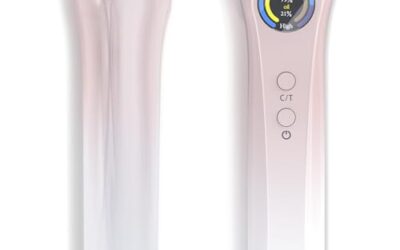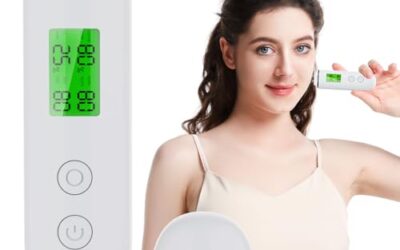

Home skin hydration meters can make skincare routines feel measurable, but a displayed number is not automatically a precise assessment of skin. To understand how to read a skin hydration meter accuracy claim, separate repeatability from scientific validation, then check how the device is meant to be used.
This guide covers 1 Amifiy device listed for home moisture and oil readings, with attention to its stated sensing method and limitations. For cleaning and storage context, see our guide to caring for skin hydration monitors.

Pros
- Fast three-second readings
- Moisture and oil measurements
- Fast and accurate testing modes
- Compact travel-friendly design
- Gold-plated sensing probe
Cons
- Measures only the outermost skin layer
- No supplied app or data history
- Limited product-specific evidence provided
Specifications
| Color | Pink |
|---|---|
| Dimensions | 6.4173228281 x 1.6535433054 x 1.7716535415 inches |
| Weight | 0.21605301676 pounds |
| Product Group | Beauty |
| Binding | Misc. |
Verify the current product variation before purchase; specifications may change.
Detailed Review
What stands out in the currently available product data:
- See moisture and oil readings to compare skincare changes
- Fast mode delivers results in approximately three seconds
- Accurate mode takes three measurements for added consistency
- Capacitive sensing detects changes on the skin surface
- Gold-plated probes support stable contact and corrosion resistance
- Compact, lightweight design works for home or travel
Best For / Avoid If
Best for buyers prioritizing
- Fast three-second readings
- Moisture and oil measurements
- Fast and accurate testing modes
Consider another option if
- Measures only the outermost skin layer
- No supplied app or data history
- Limited product-specific evidence provided
Amifiy describes its meter as using capacitive sensing and gold-plated probes to measure water and oil levels at the skin surface. Its listing says repeated readings may vary by ±10%, and offers a fast mode plus an accurate mode that takes three measurements per cycle. Those are product claims, not independent proof of accuracy.
Separate repeatability from accuracy
Repeatability asks whether a device gives similar readings when you repeat the same procedure under similar conditions. Accuracy asks whether those readings match a defined reference method. A small variation across repeated measurements can support consistency, but cannot by itself establish that the displayed value equals your skin’s actual hydration.
Read any stated tolerance in context. Amifiy says a variation of ±10% is normal for repeated measurements, but the published product information does not define a reference standard, test population, testing conditions, or independent validation. Treat the figure as a manufacturer-stated repeatability allowance, not a guarantee of measurement accuracy.
Check what the sensor measures
Capacitive sensors detect changes in electrical properties associated with the material touching the sensor. Amifiy says its device is sensitive to changes in moisture on the outermost skin layer. That does not establish that it measures deeper tissue hydration, diagnoses a skin condition, or evaluates skin-barrier health comprehensively.
Look for a clear definition of the output before comparing readings with other devices. If the maker does not disclose units, calibration details, or a validated comparison method, numbers are most defensible as that device’s own relative readings. They should not be treated as interchangeable with measurements from another brand or a professional instrument.
Control conditions before comparing readings
Surface moisture, recent product application, cleansing, sweat, room conditions, and probe contact can influence a reading. For a useful baseline, measure the same clean, dry area at a consistent time, using the same pressure and contact duration. Avoid testing immediately after applying moisturizer if your goal is to compare untreated skin.
Change one variable at a time. If you alter your routine, measurement location, timing, and device mode together, you cannot tell which change affected the result. Record the conditions alongside readings, and repeat a surprising result before drawing conclusions from a single number.
Choose a mode for the question you have
The listing says fast mode returns a result in three seconds, while accurate mode runs three measurements per cycle. The longer cycle may help reduce reliance on one contact, but the published information does not show that it is independently more accurate. Use it as a repeat-checking option, not as proof of laboratory precision.
For casual comparisons, fast mode may be adequate if you repeat measurements consistently. For a change that matters to your routine, take multiple readings in accurate mode and look for a pattern rather than reacting to one result. Neither mode replaces professional assessment when symptoms or persistent skin concerns need attention.
Evaluate the output before changing skincare
A moisture or oil value can offer a personal tracking cue, but it does not prescribe a product or prove that a routine is working. If readings shift, first repeat the test under comparable conditions. Consider recent cleansing, product use, and environmental changes before deciding that your skin or routine has meaningfully changed.
Do not use a consumer meter to diagnose dehydration, dermatitis, acne, or another medical condition. Seek advice from a qualified professional for persistent irritation, worsening symptoms, or questions about treatment. Stop using the device if contact causes discomfort, and follow the maker’s instructions for cleaning and storage.
Weigh usability against evidence and ownership
Amifiy lists portability, a TFT display, gold-plated probes, and two testing modes. These features may make repeat tracking convenient, but the published information does not specify battery life, calibration intervals, warranty terms, replacement parts, or ongoing costs. Check those details with the seller before purchase if long-term support matters.
The device is most plausible for someone who wants a simple way to compare personal readings over time, understands that those readings are approximate, and will keep testing conditions consistent. It is a weaker fit for shoppers who need clinical-grade measurements, validated thresholds, or evidence that a particular skincare product improves skin hydration.
Our skin hydration monitor gift guide offers another way to compare this category. Consider whether a dedicated meter adds useful information beyond observing comfort, texture, and how your routine performs for you.
Why You Should Trust Us
We assess the published product information for measurable claims, disclosed methods, practical use, and missing ownership details. We distinguish manufacturer statements from established measurement principles and do not present product copy as independent testing or clinical evidence.
For this device, the available information identifies capacitive sensing, two modes, a three-second fast result, and a stated ±10% variation for repeated readings. It does not provide independent accuracy validation, a reference method, or enough warranty and maintenance detail to support stronger conclusions.
Final Thoughts
Amifiy Portable Skin Hydration Tester Home Use is the sole listed option, so it is the best overall and best value only within this limited comparison, not a category-wide winner. Its mode options and portable format suit curious users tracking personal trends; the accuracy claim remains limited by missing independent validation.
It may be best for specific use when you want a quick before-and-after comparison and can standardize timing, skin location, and product use. Skip it if you need a clinically validated result or expect a reading to tell you which treatment to use. Compare care requirements with our smart skin analysis and hydration category before choosing a tracking device.
FAQs
What does a skin hydration meter measure?
It measures a sensor response associated with moisture at the contact area. The precise meaning depends on the device’s method and validation, so do not assume every meter measures the same thing.
How to read a skin hydration meter accuracy claim?
Check whether the claim concerns repeatability or accuracy against a reference method. Look for disclosed units, test conditions, calibration information, and independent validation; without those, treat readings as approximate trends.
Does ±10% variation mean a meter is accurate?
No. It describes a stated range of variation between repeated readings, not agreement with a known true value. Amifiy’s listing does not provide enough information to establish that agreement.
Should I use fast mode or accurate mode?
Fast mode gives a result in three seconds according to the listing. Accurate mode takes three measurements per cycle, which can offer a repeated check, but available information does not independently confirm greater accuracy.
Can I test over moisturizer?
Recent product application may affect contact readings. For a consistent baseline, test clean, dry skin before applying skincare, then use the same procedure whenever you compare results.
How often should I measure skin hydration?
The published product information does not establish an ideal testing schedule. If tracking helps, measure consistently rather than repeatedly checking throughout the day or reacting to isolated changes.
Can a home hydration meter diagnose a skin problem?
No. A consumer meter is not a diagnosis. Ask a qualified professional about persistent symptoms or concerns, and do not use a device reading to delay care.
What should I check before buying a hydration monitor in 2026?
Check measurement method, validation, repeatability, instructions, cleaning needs, warranty, and replacement or app costs. Our care and storage guide covers practical ownership questions.
Evidence and safety references
These references support the general technology and safety context. Product specifications can change; confirm the current manual and regulatory status before use.
Safety note: Beauty devices are not a substitute for diagnosis or treatment. Follow the device instructions and consult a qualified clinician if you have a skin condition, take photosensitizing medication, are pregnant, or are unsure whether a device is appropriate.