

Gua sha tools touch facial skin and often pick up oil, serum, moisturizer, and other residue. Knowing how to clean a gua sha tool after use gives you a simple routine for removing buildup without exposing a natural-stone tool to unnecessary heat or harsh cleaners.
This guide covers a practical cleaning sequence, drying and storage, and signs that a tool needs extra attention. For broader care advice, see our guide to cleaning and storing facial massage tools.
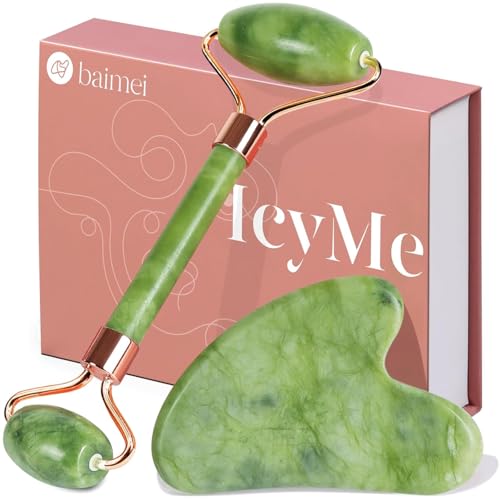
Pros
- Two-piece jade set
- Chillable for cooling massage
- Reinforced, stable roller frame
- Quiet, smooth gliding
- Gift-ready packaging
Cons
- Requires manual pressure and consistent technique
- Jade can chip if dropped
- Cooling effect fades quickly between chills
Specifications
| Color | Green |
|---|---|
| Size | 2 Piece Set |
| Dimensions | 5.7086614115 x 3.543307083 x 0.9842519675 inches |
| Weight | 0.220462262 Pounds |
| Product Group | Beauty |
| Binding | Health and Beauty |
Verify the current product variation before purchase; specifications may change.
Detailed Review
What stands out in the currently available product data:
- Chilled natural jade delivers a cooling, refreshing massage for puffy-feeling mornings
- Roller and gua sha stone cover both broad strokes and targeted jawline work
- Reinforced frame keeps the roller head secure through repeated daily sessions
- Polished stone glides quietly over serum or oil without tugging skin
- Simple enough for first-time users building a facial massage habit
- Elegant gift box makes it an easy present for skincare enthusiasts
Best For / Avoid If
Best for buyers prioritizing
- Two-piece jade set
- Chillable for cooling massage
- Reinforced, stable roller frame
Consider another option if
- Requires manual pressure and consistent technique
- Jade can chip if dropped
- Cooling effect fades quickly between chills
1. Check the material and condition
Identify what your tool is made from and follow any care instructions supplied with it. Natural stone, metal, glass, and coated materials can have different care needs, so do not assume every cleaner or cleaning method suits every tool.
Before washing, inspect the edges and surface for chips, cracks, loose parts, or rough spots. A damaged edge may scratch skin, while a crack can make the tool harder to clean thoroughly; stop using it if damage creates a hygiene or comfort concern.
2. Rinse away visible skincare residue
Rinse the tool under lukewarm running water soon after your session. This helps loosen oil, serum, and moisturizer before they dry onto the surface, making the wash easier and reducing the chance of residue remaining around curves or carved details.
Keep the rinse gentle and avoid very hot water, boiling, or sudden temperature changes. Those methods are unnecessary for routine cleaning and may not suit every stone or finish; use the maker’s care directions if they specify different limits.
3. Wash with mild soap
Apply a small amount of mild, fragrance-free liquid soap to your hands or a soft, clean cloth. Gently wash the entire tool, including its edges and any grooves, then rinse until the surface no longer feels slick or soapy.
Avoid abrasive pads, gritty cleansers, and aggressive scrubbing. Bleach, alcohol, and strong disinfectants can be unsuitable for some finishes or materials, and the published product details do not establish compatibility with any of them.
4. Dry every surface fully
Pat the tool dry with a clean, soft towel instead of rubbing it against a rough cloth. Pay attention to edges, openings, or textured areas where water can linger, then leave it in a clean, ventilated place until fully dry.
Do not put a damp tool straight into a closed pouch or drawer. Trapped moisture can leave the tool wet between sessions, while a shared or unclean towel can transfer fresh residue back onto the surface.
5. Store it separately and clean its accessories
Once dry, store the tool in a clean case or on a clean shelf where it will not contact makeup, bathroom splashes, or other used devices. Keep it separate from sharp objects that could chip or scratch the surface.
If you use a roller alongside gua sha, clean the roller according to its own material and construction. The BAIMEI set includes both tools, but its published description does not provide detailed cleaning instructions, so check packaging or manufacturer guidance for product-specific care.
6. Adjust cleaning to your routine
Clean the tool after each use, especially when it has contacted facial oil, serum, makeup, or skin that is irritated or broken. If another person uses the tool, wash it before and after sharing rather than relying on a quick rinse.
If the tool develops persistent residue, an unusual odor, a rough edge, or visible damage, pause use and check its care instructions. Cleaning cannot repair a crack or confirm that a damaged tool remains suitable for facial contact.
Why You Should Trust Us
Our guidance focuses on repeatable cleaning steps and the limits of the product information provided. We do not claim to have physically tested the listed set, and its published description does not specify a validated disinfection method or detailed material-care protocol.
We distinguish general care advice from product-specific instructions: mild soap, gentle handling, thorough rinsing, and complete drying form a conservative routine, while maker guidance should resolve material questions. For more device-care context, browse Premium Skin Devices.
Final Thoughts
For a simple facial massage set, the BAIMEI IcyMe Gua Sha & Jade Roller Set for Facial is the only product represented in this comparison. Its published description identifies natural jade, polished surfaces, and a reinforced roller frame, but does not provide detailed cleaning directions or independently verified performance evidence.
That makes it a reasonable value-oriented option for someone who wants both a gua sha tool and roller, provided they are comfortable following general care steps and checking product instructions. It is also the only listed option for a set-based use case; there is not enough comparative data to name separate overall, value, or specialty winners.
Skip this set if you need confirmed material-care guidance, replacement-part information, or documented long-term durability before buying. Compare other facial massage options in our facial massage tools guide, and base any purchase on fit and available product documentation rather than unverified outcome claims.
FAQs
How often should I clean a gua sha tool?
Wash it after every use, particularly when it has contacted skincare products or makeup. Dry it completely before storing it.
Can I clean a gua sha tool with soap and water?
For routine cleaning, lukewarm water and mild soap provide a practical starting point. Check the maker’s care instructions because material and finish can affect what is appropriate.
Can I use alcohol or disinfectant on my gua sha tool?
Do not assume alcohol or disinfectant is compatible with your tool. The published information for the listed set does not specify an approved disinfectant, so consult manufacturer guidance first.
Should I use hot water to clean a gua sha tool?
Lukewarm water is sufficient for ordinary washing. Avoid boiling or sudden temperature changes unless the maker explicitly confirms that the material can tolerate them.
How do I dry a gua sha tool after washing?
Pat it with a clean, soft towel and leave it in a ventilated area until fully dry. Do not seal it in a case while damp.
Can I share a gua sha tool with someone else?
Sharing makes careful cleaning more important. Wash the tool before and after another person uses it, and avoid sharing when either person has irritated or broken skin.
Can I put my gua sha tool in the freezer?
The published product description says the BAIMEI tools can be chilled or frozen, but it does not give limits or cleaning instructions for that practice. Follow the manufacturer’s directions and avoid exposing the tool to abrupt temperature changes.
What should I do if my gua sha tool has a chip?
Stop using it on your face if a chip creates a sharp or rough edge. Cleaning will not repair damage; consult the maker about whether the tool can be replaced or safely used.
Where can I find more advice on cleaning facial massage tools?
Our facial massage tool cleaning and storage guide covers related care considerations. Follow the instructions supplied with your own device whenever they differ.
Evidence and safety references
These references support the general technology and safety context. Product specifications can change; confirm the current manual and regulatory status before use.
Safety note: Beauty devices are not a substitute for diagnosis or treatment. Follow the device instructions and consult a qualified clinician if you have a skin condition, take photosensitizing medication, are pregnant, or are unsure whether a device is appropriate.

