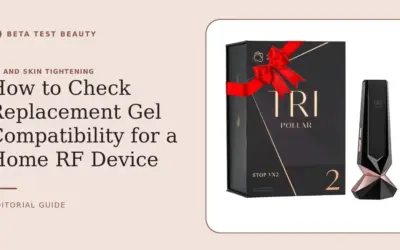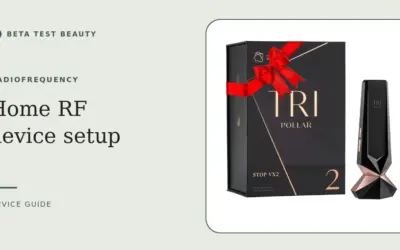

Before using an at-home radio-frequency device, inspect its treatment head for damage, residue, and anything that could interfere with skin contact. These checks cannot confirm that a device works correctly, but they can help you spot visible reasons to pause.
For TriPollar Stop Vx 2 | Pollogen Stop U Model UXV, the published product information identifies multi-RF and DMA technology but does not provide inspection steps, cleaning instructions, or detailed operating specifications. Follow the manual for your exact model, and use our RF device comparison for face, neck, and jawline to consider fit and use-case differences.

Pros
- Multi-RF and DMA combination
- At-home convenience
- Pollogen brand association
- 2023 model update
- Handheld facial form factor
Cons
- Battery life and charging unspecified
- Treatment protocol not documented
- Warranty details not provided
Specifications
| Package Dimensions | 8 x 5 x 4 inches; 1.75 pounds |
|---|---|
| Date First Available | September 6, 2023 |
| Manufacturer | TriPollar |
| ASIN | B0CHG97TT9 |
| Best Sellers Rank | #360,177 in Beauty & Personal Care (See Top 100 in Beauty & Personal Care) #592 in Wrinkle & Anti-Aging Devices |
Verify the current product variation before purchase; specifications may change.
Detailed Review
What stands out in the currently available product data:
- Dual-technology approach with Multi-RF and DMA in a single session
- At-home design keeps professional-grade technology accessible without appointments
- Newer-generation TriPollar Stop model with a 2023 release date
- Compact handheld form factor allows targeted treatment of facial areas
- Pollogen-branded model line adds a clinical aesthetic pedigree
- Suitable for users who prioritize convenience and consistent self-care routines
Best For / Avoid If
Best for buyers prioritizing
- Multi-RF and DMA combination
- At-home convenience
- Pollogen brand association
Consider another option if
- Battery life and charging unspecified
- Treatment protocol not documented
- Warranty details not provided
1. Check the treatment surface under good light
Unplug or power down the device before examining its head, unless its manual specifies another safe inspection method. Look across the entire treatment surface for cracks, chips, dents, lifted edges, or other changes from its original condition.
Do not assume a mark is harmless because it looks small. If the surface appears altered, stop using the device and ask the manufacturer whether it needs service or replacement.
2. Look for residue, moisture, and foreign material
Check for dried conductive gel, skincare product, lint, or other buildup. Residue can make the head harder to clean and may affect skin contact, but its effect depends on the device and the material involved.
Do not scrape the surface or apply solvents, abrasive pads, or unapproved cleaners. Use only the cleaning method stated in the model’s instructions; if residue remains, contact the manufacturer rather than experimenting.
3. Inspect edges, seams, and surrounding housing
Examine the border where the treatment head meets the handle. Gaps, loose parts, sharp edges, or a housing that shifts may indicate damage, especially after a drop or impact.
Do not press a loose component back into place or continue treatment to see whether it stays put. Stop and seek model-specific support, since appearance alone cannot establish whether internal parts remain safe.
4. Verify cable, connector, and power condition
Check the cable and connector for fraying, exposed wire, bent contacts, looseness, or heat-related discoloration. Keep the device off if you see any of these signs, or if the connection behaves inconsistently.
Use only the power supply and charging method approved for your model. The published product data does not specify compatibility details, so confirm them in the manual instead of relying on a connector that happens to fit.
5. Clean and dry the head as directed
Follow the manufacturer’s instructions for cleaning, drying, and storing the treatment head. Do not immerse the device or use liquid directly on it unless the manual explicitly permits that method.
Inspect again after cleaning. If the surface remains sticky, cloudy, cracked, or otherwise changed, stop; repeated cleaning with stronger products could create further damage.
6. Confirm model instructions and skin-use precautions
Compare the device label and model number with the manual before following any procedure. Treatment settings, contact requirements, cleaning steps, and warnings can differ between devices, even within one brand.
Read contraindications before use and ask a qualified healthcare professional if you have a medical condition, use medication that may affect skin sensitivity, or are unsure whether RF treatment is appropriate for you. Do not treat irritated or broken skin unless professional guidance and the manufacturer’s instructions support it.
7. Decide whether to proceed, pause, or replace
Proceed only when the head looks intact, is clean according to the manual, and the device passes its stated setup checks. A visual inspection cannot verify output, calibration, or internal electrical condition.
Pause for visible damage, unexplained changes, unusual heat, a burning smell, or malfunction. Contact the manufacturer for repair guidance and warranty terms; consider replacement only if service is unavailable or the device cannot be used reliably.
Readers comparing protocols and device types can also review our guide to RF and microcurrent combination devices. Combination technology does not remove the need to inspect each device’s treatment surface or follow its own manual.
Why You Should Trust Us
We distinguish product details available for this page from practical inspection guidance. The available product data names TriPollar Stop Vx 2 | Pollogen Stop U Model UXV and describes multi-RF plus DMA technology, but provides no manual, maintenance schedule, clinical evidence, or independent inspection results.
We therefore do not claim to have examined the device or verified its performance. Our guidance centers on visible warning signs and directs readers to the product’s own instructions and manufacturer support for model-specific decisions.
Final Thoughts
Among the listed products, TriPollar Stop Vx 2 | Pollogen Stop U Model UXV is the only option listed, so there is no evidence-based way to name a separate best-value or best-for-specific-use alternative. Its stated multi-RF and DMA features may interest shoppers considering a combined technology approach, but the published information does not establish settings, treatment duration, compatibility, or outcomes.
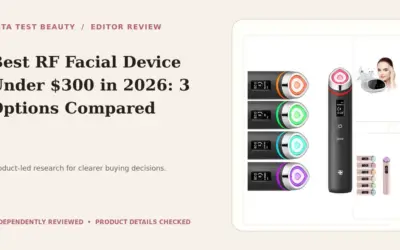
Choose it only after confirming that its manual addresses your intended use, cleaning routine, contraindications, warranty, and ongoing ownership requirements. For budget context, compare it with RF facial devices under $300; a lower-cost device may suit shoppers who do not need this model’s stated technology combination.
Regardless of price or feature list, do not use a head with visible damage or unresolved residue. If inspection raises doubt, pause and ask the manufacturer before resuming treatment.
FAQs
How to inspect an rf device head before use?
Power the device down as directed, then check the treatment surface, edges, housing, and cable for damage or residue. Clean only by the method in the manual, and stop if you find a defect.
Can I use an RF device if its head has a small crack?
No. A visual check cannot establish whether a crack affects safe operation or performance. Stop using the device and ask the manufacturer about inspection, repair, or replacement.
How should I clean an at-home RF treatment head?
Use the cleaning instructions for your exact model. Avoid abrasives, solvents, immersion, and other unapproved methods because they may damage the surface or housing.
Can leftover gel stay on the treatment surface?
Remove residue using the method specified in the manual before storing or using the device again. Do not scrape buildup or substitute an unapproved cleaner.
What if my RF device head looks clean but feels unusual?
Do not treat an unusual feel as proof that the device is functioning correctly. Check the manual and contact the manufacturer if the surface, contact, or device behavior has changed.
Does a visual inspection prove an RF device works properly?
No. It can reveal visible problems, but cannot confirm internal condition, output, or calibration. Use manufacturer checks and support for questions that require technical evaluation.
Should I patch-test before using an RF device?
Follow the device’s instructions for any recommended skin test and treatment precautions. A patch test does not replace contraindication guidance; ask a healthcare professional if you are unsure whether use is suitable.
When should I contact the manufacturer or replace an RF device?
Contact the manufacturer for cracks, loose parts, cable damage, unexplained heat, persistent residue, or malfunction. Consider replacement only after checking available service, warranty coverage, and whether the device can meet your needs reliably.
Evidence and safety references
These references support the general technology and safety context. Product specifications can change; confirm the current manual and regulatory status before use.
- Systematic review: radiofrequency-based facial rejuvenation
- Systematic review: home-based dermatology devices
- Randomized trial: home-use multi-energy facial device
Safety note: Beauty devices are not a substitute for diagnosis or treatment. Follow the device instructions and consult a qualified clinician if you have a skin condition, take photosensitizing medication, are pregnant, or are unsure whether a device is appropriate.