
Preparing a home radio-frequency device means following its own manual, checking whether use is appropriate for you, and setting up skin and device exactly as directed. Instructions differ between models, so do not borrow treatment areas, products, timings, or settings from another device.
This guide explains how to read instructions, prepare a treatment area, and check your setup without assuming undocumented details about any model. For broader context on device types and intended use, see our RF and Skin Tightening category guide.

Pros
- Multi-RF and DMA combination
- At-home convenience
- Pollogen brand association
- 2023 model update
- Handheld facial form factor
Cons
- Battery life and charging unspecified
- Treatment protocol not documented
- Warranty details not provided
Specifications
| Package Dimensions | 8 x 5 x 4 inches; 1.75 pounds |
|---|---|
| Date First Available | September 6, 2023 |
| Manufacturer | TriPollar |
| ASIN | B0CHG97TT9 |
| Best Sellers Rank | #360,177 in Beauty & Personal Care (See Top 100 in Beauty & Personal Care) #592 in Wrinkle & Anti-Aging Devices |
Verify the current product variation before purchase; specifications may change.
Detailed Review
What stands out in the currently available product data:
- Dual-technology approach with Multi-RF and DMA in a single session
- At-home design keeps professional-grade technology accessible without appointments
- Newer-generation TriPollar Stop model with a 2023 release date
- Compact handheld form factor allows targeted treatment of facial areas
- Pollogen-branded model line adds a clinical aesthetic pedigree
- Suitable for users who prioritize convenience and consistent self-care routines
Best For / Avoid If
Best for buyers prioritizing
- Multi-RF and DMA combination
- At-home convenience
- Pollogen brand association
Consider another option if
- Battery life and charging unspecified
- Treatment protocol not documented
- Warranty details not provided
1. Find the manual for your exact model
Confirm the device name and model number against its manual before preparing a session. If paperwork is missing, use the manufacturer’s official instructions for that exact model rather than a retailer description or a tutorial for a similar-looking device.
Read sections on intended use, treatment areas, contraindications, setup, cleaning, and troubleshooting. Note every instruction that could change whether you should proceed, including restrictions related to skin condition, recent procedures, medications, or implanted devices.
2. Check contraindications and uncertainty first
Do not treat a general internet checklist as a substitute for the device’s complete contraindication list. If a warning might apply to you, or the manual is unclear about your situation, pause and ask the manufacturer or a qualified healthcare professional before use.
Do not use an at-home RF device on an area the manual excludes, or on irritated, broken, or otherwise unsuitable skin unless its instructions expressly allow it. Stop if use causes unexpected pain, pronounced irritation, or another concerning reaction; follow the manual’s advice and seek professional guidance when needed.
3. Inspect the device and prepare its power source
Check the handset, treatment surface, cable, plug, and any supplied accessories for visible damage, residue, or loose parts. Do not use a device with damaged electrical components, an abnormal odor, or a fault that the manual identifies as unsafe.
Follow model-specific directions for charging, connection, startup, and storage. Product information available here does not establish the device’s battery life, settings, compatibility, warranty, or maintenance schedule, so verify each detail in official documentation.
4. Prepare skin and contact products exactly as directed
Cleanse the intended area and remove makeup or residue only as the manual specifies. Whether skin should be dry or covered with a particular conductive product is device-specific; do not substitute an ordinary moisturizer, oil, or gel unless the instructions permit it.
Use only the product and amount specified, if any, and check its compatibility with your device. If instructions call for a patch test, follow the stated location, observation period, and response criteria rather than inventing a shorter test.
5. Set up a calm, practical treatment space
Choose a clean, well-lit place where you can see the treatment area and consult the manual without rushing. Keep the power source, device, and approved accessories within reach, and avoid arrangements that could pull a cable or expose the device to moisture.
Remove jewelry or accessories from the treatment area when the instructions require it. Do not add attachments, combine devices, or treat around the eyes, neck, or other sensitive areas unless the exact manual identifies those uses as appropriate.
6. Verify settings, technique, and session limits
Before starting, locate the manual’s approved intensity, movement pattern, treatment zones, and session limits. Start only with a setting and technique the manufacturer permits; do not increase intensity or extend a session to compensate for a missed treatment.
Follow the stated sequence and keep track of treated areas if the instructions require systematic coverage. If the display, sensation, or device behavior differs from the manual’s description, stop and consult troubleshooting guidance instead of guessing.
7. Clean, store, and record what matters
After use, switch off and disconnect the device as directed, then clean its treatment surface only with approved methods. Avoid soaking, abrasive cleaners, or unapproved disinfectants; those can conflict with manufacturer care instructions.
Store the device and accessories in the conditions specified by the manufacturer. A simple log of date, treated area, approved setting, and any reaction can help you follow the prescribed schedule and describe problems accurately if you contact support.
Why You Should Trust Us
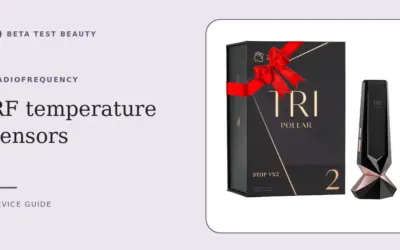
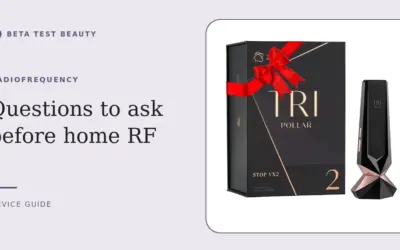
Our guidance separates general preparation principles from device-specific requirements. The available product information identifies TriPollar Stop Vx 2 | Pollogen Stop U Model UXV and describes Multi-RF and DMA technology, but does not provide its manual, full protocol, contraindications, settings, or care instructions.
We therefore do not assign this model an unverified treatment schedule, skin preparation method, or performance outcome. Confirm those details in current manufacturer documentation before use; device category alone cannot establish safe operation or personal suitability.
Final Thoughts
The most defensible recommendation is to choose a home RF device only when its official instructions clearly address your intended treatment area, preparation, schedule, and contraindications. A premium device is not automatically a better fit if its protocol is unclear or incompatible with your needs.
TriPollar Stop Vx 2 | Pollogen Stop U Model UXV is the named option in the published product information, with Multi-RF and DMA listed as features. The published details do not support calling it a best overall, best value, or best-for-specific-use choice; verify its manual, warranty, maintenance needs, and ongoing costs before deciding.
If you are comparing treatment approaches, our guides to RF and microcurrent combination devices and CurrentBody RF device alternatives can help frame the tradeoffs. Neither comparison replaces the instructions for the specific model you own.
FAQs
Should I prepare every home RF device the same way?
No. Skin preparation, contact products, treatment zones, settings, and session limits vary by model. Follow the manual for your exact device.
Should skin be dry before using a home RF device?
Use the condition specified by the manual. Some devices may require a particular contact product, so do not assume dry skin or substitute another product.
Do I need to patch-test before my first session?
Follow the manufacturer’s patch-test directions if provided. Use its specified area and observation period, and do not proceed if the manual’s stop criteria occur.
Can I use a home RF device if I have a medical condition?
Check the full contraindication list and ask a qualified healthcare professional if a condition, medication, implant, or recent procedure could affect suitability. Do not rely on general advice to override a warning.
Can I use a different gel or serum with my device?
Only if the device instructions identify it as compatible. An unapproved product may conflict with the required contact method or care instructions.
What should I do if the device feels unusually hot or painful?
Stop and follow the manual’s troubleshooting and safety guidance. Do not raise or lower settings experimentally; seek professional advice if symptoms concern you.
Can I use a home RF device around my eyes or neck?
Only treat areas expressly permitted in the exact model’s manual. Do not infer that a zone is suitable because another RF device allows it.
Where can I compare RF device types before buying?
Start with our guide to RF devices for face, neck, and jawline, then check each candidate’s official manual for protocol and restrictions.
Evidence and safety references
These references support the general technology and safety context. Product specifications can change; confirm the current manual and regulatory status before use.
- Systematic review: radiofrequency-based facial rejuvenation
- Systematic review: home-based dermatology devices
- Randomized trial: home-use multi-energy facial device
Safety note: Beauty devices are not a substitute for diagnosis or treatment. Follow the device instructions and consult a qualified clinician if you have a skin condition, take photosensitizing medication, are pregnant, or are unsure whether a device is appropriate.