
A temperature sensor in a home radio-frequency device monitors temperature at or near the treatment surface, depending on the device design. Understanding what that reading controls, and what it cannot tell you, helps you use RF equipment with more care and judge product claims realistically.
For shoppers comparing home RF tools, the sensor matters only as part of a larger system: electrode design, energy delivery, movement instructions, treatment time, and safety limits all affect use. This guide focuses on what the feature can mean, what remains unknown without model-specific documentation, and which details to verify before choosing a device.
For broader context on device differences, see our guide to RF devices for the face, neck, and jawline.

Pros
- Multi-RF and DMA combination
- At-home convenience
- Pollogen brand association
- 2023 model update
- Handheld facial form factor
Cons
- Battery life and charging unspecified
- Treatment protocol not documented
- Warranty details not provided
Specifications
| Package Dimensions | 8 x 5 x 4 inches; 1.75 pounds |
|---|---|
| Date First Available | September 6, 2023 |
| Manufacturer | TriPollar |
| ASIN | B0CHG97TT9 |
| Best Sellers Rank | #360,177 in Beauty & Personal Care (See Top 100 in Beauty & Personal Care) #592 in Wrinkle & Anti-Aging Devices |
Verify the current product variation before purchase; specifications may change.
Detailed Review
What stands out in the currently available product data:
- Dual-technology approach with Multi-RF and DMA in a single session
- At-home design keeps professional-grade technology accessible without appointments
- Newer-generation TriPollar Stop model with a 2023 release date
- Compact handheld form factor allows targeted treatment of facial areas
- Pollogen-branded model line adds a clinical aesthetic pedigree
- Suitable for users who prioritize convenience and consistent self-care routines
Best For / Avoid If
Best for buyers prioritizing
- Multi-RF and DMA combination
- At-home convenience
- Pollogen brand association
Consider another option if
- Battery life and charging unspecified
- Treatment protocol not documented
- Warranty details not provided
What does a temperature sensor do in a home rf device?
1. It monitors heat, not treatment results
RF devices deliver radio-frequency energy through contact with the skin, and energy can produce heat in tissue. A temperature sensor can measure a temperature at its sensing location, giving the device information about local conditions during operation.
That reading is not a direct measurement of every area being treated, nor does it establish a cosmetic result. Sensor placement, contact, movement, device design, and control logic affect what the reading represents. Without manufacturer documentation, avoid assuming a sensor measures skin temperature precisely or continuously.
2. It may inform device feedback or control
Depending on the model, temperature data may support a display, alert, energy adjustment, or other operating response. Those functions are not interchangeable: a sensor that reports temperature does not necessarily regulate output or stop treatment when a limit is reached.
Check the manual for explicit descriptions of what happens when temperature changes. Look for named alerts, automatic shutoff behavior, and instructions for restarting. If product materials only say that a device has a sensor, treat that as a component description, not proof of a particular safety feature.
3. Sensor location and contact affect interpretation
A sensor can only report conditions where it measures. A reading near an electrode may not match temperature elsewhere on the face, especially if the device is moving or contact varies across curves and contours.
Use the device exactly as directed, maintaining the specified contact and movement. Do not hold it still to chase a reading, increase pressure, or extend a pass unless instructions explicitly require that action. Uneven contact can also make device feedback less representative of the area as a whole.
4. Protocol matters more than the sensor label
Before treatment, read the complete instructions for preparation, conductive gel if required, permitted areas, movement pattern, session duration, and cleaning. Confirm whether the device has adjustable settings and how the manufacturer tells users to select them. Do not infer a protocol from another brand or RF model.
Follow stated session limits even if a sensor provides reassuring feedback. A sensor is not permission to repeat passes, treat longer, or use a higher setting. For questions about whether a device is appropriate for you, consult its instructions and seek advice from a qualified professional when needed.
5. Comfort and skin response still need attention
Device feedback cannot replace your own attention to discomfort, unusual heat, or a change in skin appearance. Stop use and follow manufacturer guidance if an unexpected reaction occurs. Do not continue solely because a display or indicator suggests operation remains within a stated range.
Check contraindications before use, including any conditions or circumstances listed in the manual. If you have questions about a skin concern, recent procedure, or medication, ask a qualified clinician before using an energy-based beauty device. A patch test is appropriate when the manufacturer recommends one, but it does not override listed restrictions.
6. Verify support, upkeep, and ownership details
Confirm warranty coverage, service options, cleaning requirements, and any required accessories before purchase. Ask whether the manufacturer explains sensor alerts and troubleshooting in the manual, and whether replacement parts or consumables affect ongoing ownership.
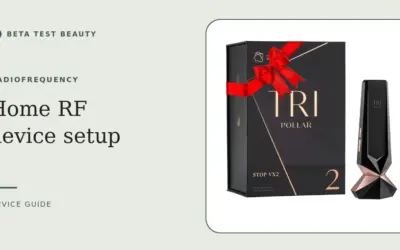
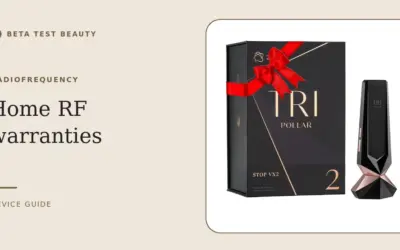
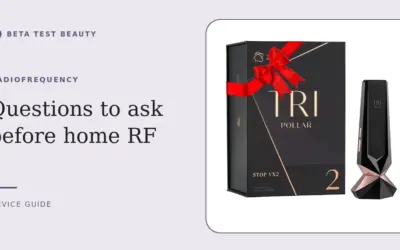
The listed product is TriPollar Stop Vx 2 | Pollogen Stop U Model UXV. Published information identifies it as a home facial device with Multi-RF and DMA technology, but provides no sensor details, treatment protocol, warranty terms, or contraindications. Those gaps mean its temperature-sensor behavior cannot be confirmed from the available product information.
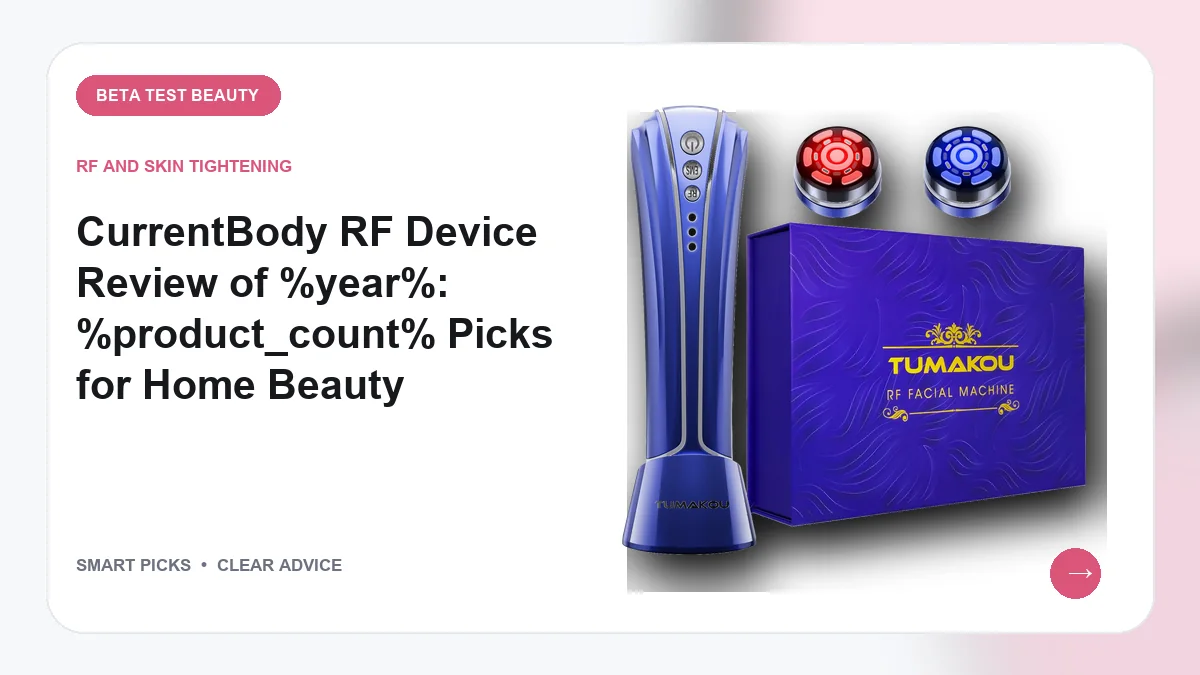
If budget is a deciding factor, compare documented features and support rather than relying on a sensor label. Our overview of lower-cost RF facial devices offers another comparison point, while our CurrentBody RF device review can help frame model-specific research.
Why You Should Trust Us
We distinguish listed product facts from interpretation and do not treat a feature name as evidence of a particular function. Here, the available listing identifies the TriPollar model and its Multi-RF and DMA positioning, but does not document a temperature sensor or explain how the device handles temperature readings.
That limitation shapes our guidance: we explain general sensor functions without attributing undocumented controls, measurements, outcomes, or protections to this model. Before buying, consult the current manufacturer manual and warranty information, then compare the stated protocol with your needs and comfort.
Final Thoughts
A temperature sensor can help an RF device monitor local heat and may support feedback or automatic control, depending on its design. It cannot independently establish that treatment is effective, that all treated areas share one temperature, or that correct technique is unnecessary.
TriPollar Stop Vx 2 | Pollogen Stop U Model UXV is the only product provided for this comparison, so there is not enough evidence to assign separate overall, value, or use-case recommendations. Consider it only after verifying its sensor function, operating instructions, contraindications, warranty, and ongoing costs through current manufacturer documentation.
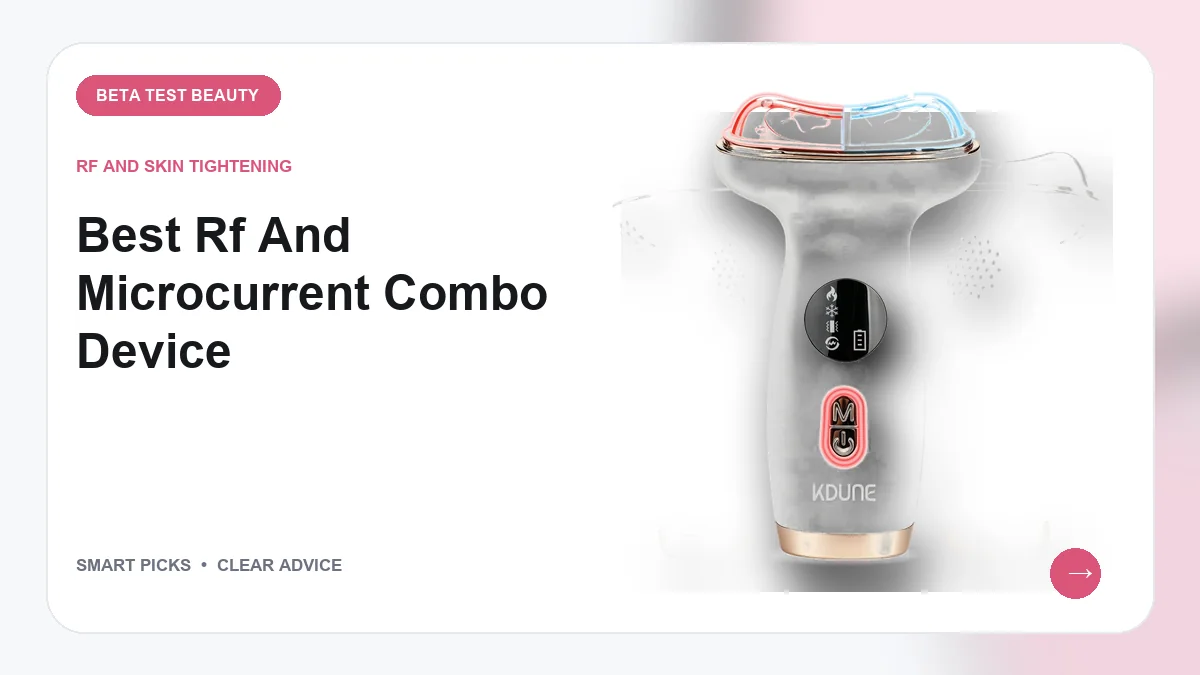
Readers weighing alternative formats can also compare RF and microcurrent combination devices. Choose based on documented protocol, support, and fit for your routine, not the sensor feature alone.
FAQs
Does a temperature sensor measure skin temperature?
It measures temperature at its sensing location, but that may not equal the temperature across the entire treatment area. Consult the manual for sensor placement and the meaning of any displayed reading.
Does a temperature sensor automatically make an RF device safer?
Not by itself. Safety behavior depends on the device’s control system and instructions. Confirm whether documentation describes alerts, output adjustment, or automatic shutoff rather than assuming the sensor performs those functions.
Can I use a sensor reading to extend a treatment?
No. Follow the manufacturer’s session limits and movement instructions. A reading does not authorize extra passes, longer treatment, or a higher setting.
What should I do if the device feels unusually hot?
Stop and follow the manual’s troubleshooting and safety directions. Do not rely on an indicator to overrule discomfort or an unexpected skin response.
Does TriPollar Stop Vx 2 have a temperature sensor?
The published product information does not confirm whether this model has a temperature sensor or explain any sensor behavior. Check current manufacturer materials before treating that feature as part of its specification.
What should I check before using a home RF device?
Read instructions for preparation, settings, permitted areas, session limits, cleaning, and contraindications. Ask a qualified professional about personal suitability when the manual or your circumstances raise questions.
Is temperature monitoring the same across home RF devices?
Paragraph format.
No. Sensor location, reporting, and control functions vary by device, and marketing descriptions may not explain those differences. Compare manuals and technical documentation rather than assuming the same feature label means identical performance.
Where can I compare RF devices for different areas?
Start with manufacturer instructions for each model, then compare supported treatment areas and protocols. Our RF device guide for face, neck, and jawline provides a broader category comparison.
Evidence and safety references
These references support the general technology and safety context. Product specifications can change; confirm the current manual and regulatory status before use.
- Systematic review: radiofrequency-based facial rejuvenation
- Systematic review: home-based dermatology devices
- Randomized trial: home-use multi-energy facial device
Safety note: Beauty devices are not a substitute for diagnosis or treatment. Follow the device instructions and consult a qualified clinician if you have a skin condition, take photosensitizing medication, are pregnant, or are unsure whether a device is appropriate.