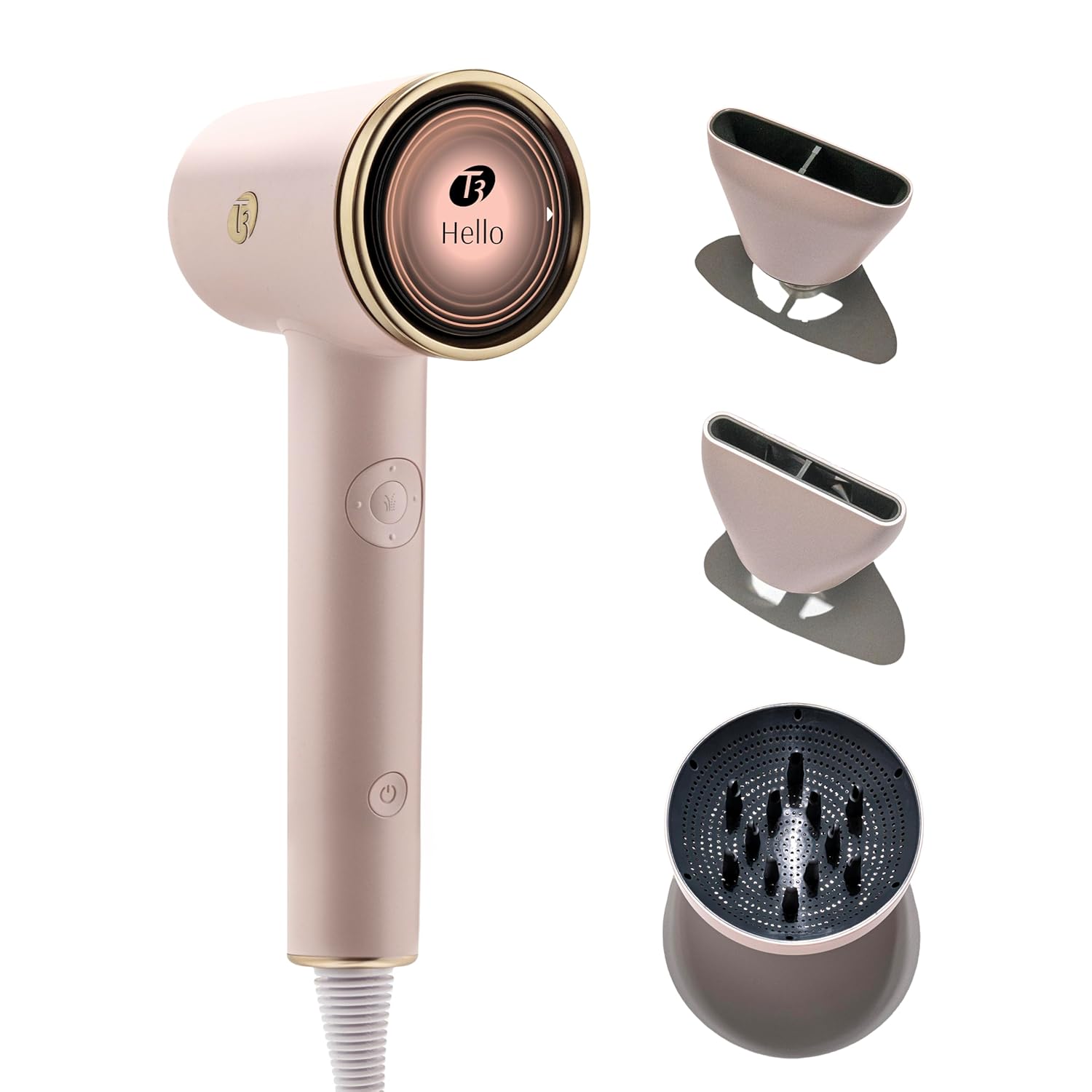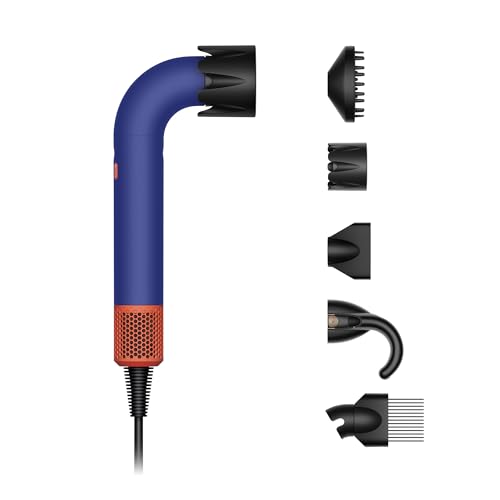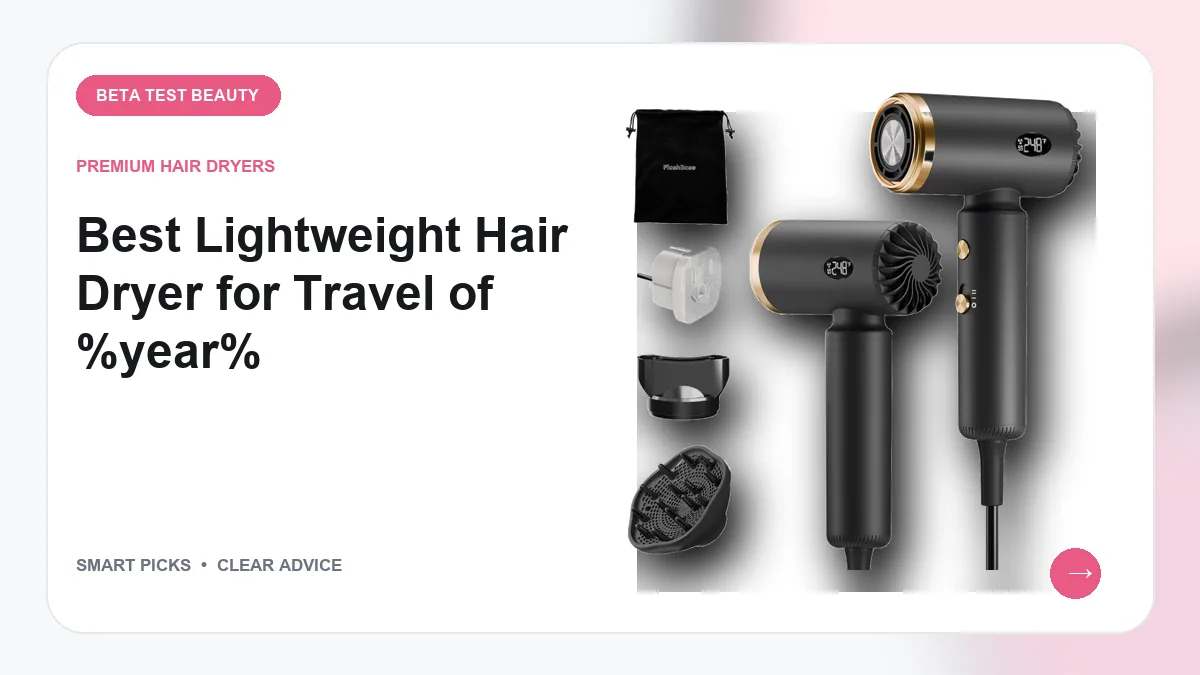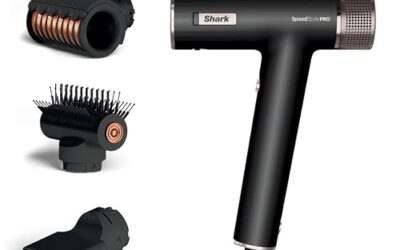

Choosing the ideal styling tool often comes down to understanding ionic vs ceramic hair dryer technology and how each mechanism affects delicate hair fibers. Both methods aim to accelerate drying times while minimizing structural damage, yet they manage airflow and thermal energy through completely different physical principles.
Selecting the incorrect system can result in flat, lifeless locks or persistent thermal dryness across fragile strands. By exploring the core distinctions between negative ion emitters and ceramic heating elements, you can curate an intentional daily routine that preserves moisture, enhances shine, and protects strand integrity.
Navigating modern hair care tools requires looking beyond marketing claims to evaluate how raw heat and electrical charges interact with your hair cuticle. A well chosen dryer balances speed with gentle thermal regulation, ensuring the cortex retains essential hydration during every blowout.
Heat Distribution and Thermal Consistency
Ceramic technology relies on composite clay minerals to coat internal heating coils or line the barrel walls. This composition creates a uniform thermal field that prevents localized hotspots, which are the primary cause of scorched cuticles and surface blistering.
In contrast, standalone ionic systems focus primarily on electrical particle emission rather than heat smoothing. Without an even heating substrate like ceramic or tourmaline, an ionic dryer can still deliver erratic temperatures that stress delicate strands over prolonged drying sessions.
When steady warmth is the top priority, ceramic construction provides self regulating thermal diffusion. It absorbs excess spikes from the electrical coil and releases far infrared energy that gently warms the hair shaft from the inside out.
Moisture Evaporation and Water Droplet Breakdown
The defining strength of ionic hair dryer technology lies in its ability to generate negative ions that collide with positively charged ambient water molecules. This reaction fractures large moisture droplets into microscopic micro droplets, allowing moisture to evaporate rapidly without requiring excessive hot air.
Because these fractured droplets require less thermal energy to dissipate, your overall drying time drops substantially. A portion of this micronized hydration is pushed directly under the cuticle scale, sealing the outer layer and locking in natural flexibility.
Ceramic dryers, meanwhile, rely on radiant infrared heat to evaporate moisture uniformly across the hair surface. While ceramic drying times may be slightly longer than high output ionic streams, the gradual evaporation process helps prevent accidental over drying on brittle textures.
Hair Texture and Cuticle Porosity Match
Your natural hair profile should always dictate the technology you prioritize. Thick, coarse, or highly porous curls benefit immensely from negative ions because they seal open cuticle scales that would otherwise pull humidity from the air and turn into frizz.
Conversely, fine or low density strands can become limp when bombarded with excessive negative ions. Because ionic action closes the cuticle flat, fine hair can lose natural lift and crown volume, leaving the style appearing flat against the scalp.
For fine, fragile, or chemically lightened strands, pure ceramic heat offers a much gentler experience. It preserves the slight texture needed for fullness while protecting compromised protein bonds from sudden temperature spikes.
| Feature Category | Ionic Technology | Ceramic Technology |
|---|---|---|
| Primary Mechanism | Emits negative ions to break down water droplets | Emits far infrared heat through clay mineral elements |
| Best Hair Types | Thick, coarse, curly, and frizz prone textures | Fine, fragile, chemically treated, or limp hair |
| Style Outcome | Sleek, polished, compact, and high gloss finish | Voluminous, full bodied, soft, and naturally textured |
| Drying Velocity | Fast evaporation using lower thermal energy | Steady, moderate evaporation using uniform radiant warmth |
| Risk Factor | Can cause fine hair to appear limp or over softened | Extended exposure can dry cuticles if airflow is sluggish |
Frizz Control and Electrostatic Neutralization
Everyday friction from brushing, toweling, and dry ambient air strips electrons from keratin, generating static positive charges. These repelling charges force individual hair fibers apart, creating the familiar halo of unruly flyaways and surface frizz.
Ionic tools target this exact static phenomenon by saturating the exhaust stream with millions of balancing negative charges. Neutralizing the electrical surface tension instantly smooths flyaways, encouraging individual shafts to align seamlessly for a mirror like light reflection.
Ceramic airflow helps reduce static indirectly by maintaining steady ambient moisture rather than scorching the air column. However, pure ceramic elements without active ion generators cannot actively neutralize strong electrostatic charges on dry winter days.
Infrared Radiation and Deep Cortex Protection
Ceramic components naturally emit far infrared rays, a gentle spectrum of light energy that penetrates the exterior layer without disrupting surface lipids. This ensures the internal moisture reservoir of the strand warms uniformly alongside the outer shell.
Traditional metallic heating elements often heat hair from the exterior inwards, scorching the protective cuticle long before the damp inner cortex dries out. Ceramic infrared heating avoids this uneven transfer, preserving vital elasticity and protein resilience.
When combined with moderate fan speeds, ceramic far infrared radiation dramatically lowers the risk of bubble hair deformities. This makes ceramic materials an essential baseline for anyone performing frequent weekly blowouts at home.
Hybrid Systems and Switchable Controls
Modern luxury styling engineering increasingly merges both platforms into high performance hybrid appliances. A premium dryer will frequently pair a ceramic or tourmaline coated heating grille with an independently controlled ionic generator.
Dryers equipped with an ion on and off toggle offer the ultimate styling versatility for multi texture households. You can deactivate the ion generator to build root lift and full texture, then engage ionic flow to polish ends and tame flyaways.
Investing in a hybrid tool ensures you never have to sacrifice volume for thermal safety. You gain the gentle infrared heat distribution of ceramic alongside the speed and polish of active negative ion technology.
Why You Should Trust Us
Our editorial approach centers on physics, material science, and genuine cosmetic engineering principles rather than promotional buzzwords. We evaluate hair tool categories by assessing how air velocity, mineral coatings, and electrical charge systems interact with various human hair profiles.
We maintain strict editorial independence and transparent evaluation criteria across every guide we publish. By analyzing manufacturing schematics, heat distribution patterns, and real world ergonomics, we deliver objective insights that help you invest confidently in your personal care routine.
Final Thoughts
Understanding the operational nuances of ionic vs ceramic hair dryer technology makes selecting the right styling device simple. For individuals dealing with dense, unmanageable curls or stubborn frizz, an ionic forward dryer is the clear choice for speeding up routines while enhancing cuticle gloss.
If your hair is fine, thinning, or chemically stressed from coloring, a pure ceramic dryer provides the dependable thermal gentleness your strands demand. The uniform infrared warmth shields fragile cuticles from thermal distress while supporting natural root volume and body.
For the greatest styling flexibility across multiple looks, seeking a hybrid ceramic dryer with an adjustable ion switch represents the most future proof investment. This configuration lets you dial in sleek precision or tousled fullness depending on your daily mood and routine.
FAQs
Can ionic vs ceramic hair dryer technology damage my hair over time?
Neither technology is inherently damaging, and both are significantly safer than traditional bare metal coil dryers. However, excessive heat exposure from any blow dryer can deplete structural proteins, making proper heat protectant sprays and moderate temperature settings essential.
Is an ionic hair dryer suitable for fine or thin hair?
Ionic hair dryers can sometimes over soften fine hair by flattening the cuticle completely, resulting in a limp appearance. If you have fine strands, look for a dryer with an ion switch or select a ceramic model that preserves body and fullness.
How does ceramic technology create far infrared heat?
When ceramic minerals are warmed by an internal heating element, they emit longer electromagnetic wavelengths within the far infrared spectrum. This energy gently permeates the hair shaft to dry inner moisture without scalding the exterior cuticle layer.
Why are tourmaline minerals frequently mentioned with ionic tools?
Tourmaline is a semi precious gemstone that naturally generates massive amounts of negative ions and infrared warmth when heated. Manufacturers crush tourmaline into internal coatings to boost ion output far beyond standard electronic ion emitters.
Does ionic technology dry hair faster than ceramic elements?
Yes, ionic dryers typically evaporate surface water faster because negative ions split water droplets into smaller micro particles. This physical breakdown allows water to leave the hair shaft rapidly with less reliance on blistering heat.
What makes hybrid dryers a popular styling choice in 2026?
Hybrid dryers combine the uniform, gentle infrared warming of ceramic chambers with the fast drying, anti static benefits of negative ions. This dual setup gives users salon grade versatility regardless of seasonal humidity changes or changing styling goals.
Do I still need a heat protectant spray when using ceramic or ionic dryers?
Yes, a quality heat protectant remains vital whenever hot air touches your hair. While ionic and ceramic tools minimize localized burn risks, thermal barrier sprays preserve internal moisture and prevent surface protein denaturation.
How do I know if my current hair dryer uses ionic vs ceramic hair dryer technology?
Check the internal barrel grille for a smooth clay or porcelain appearance, which indicates ceramic construction. Ionic models often feature an internal ion generator needle, a dedicated ion indicator light, or specific labeling on the handle chassis.
Evidence and safety references
These references support the general technology and safety context. Product specifications can change; confirm the current manual and regulatory status before use.
- Study: hair-shaft damage, dryer temperature and distance
- Study: effects of heat treatment on hair structure
Safety note: Beauty devices are not a substitute for diagnosis or treatment. Follow the device instructions and consult a qualified clinician if you have a skin condition, take photosensitizing medication, are pregnant, or are unsure whether a device is appropriate.