

A gua sha tool needs an intact surface and smooth edges to glide comfortably across skin. If you notice a sharp spot, hairline mark, or rough patch, pause before using it again.
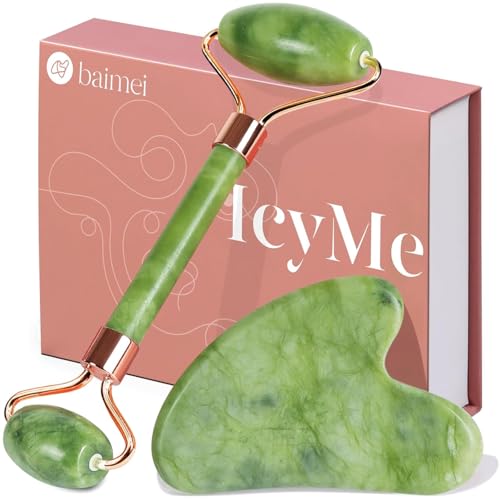
Knowing how to inspect a gua sha tool for cracks and chips helps you distinguish harmless-looking surface variation from damage that could scratch skin or trap residue. The checks below apply to stone tools, including the natural-jade gua sha in the BAIMEI IcyMe set.
For broader care advice, see this guide to cleaning and storing facial massage tools.
Pros
- Two-piece jade set
- Chillable for cooling massage
- Reinforced, stable roller frame
- Quiet, smooth gliding
- Gift-ready packaging
Cons
- Requires manual pressure and consistent technique
- Jade can chip if dropped
- Cooling effect fades quickly between chills
Specifications
| Color | Green |
|---|---|
| Size | 2 Piece Set |
| Dimensions | 5.7086614115 x 3.543307083 x 0.9842519675 inches |
| Weight | 0.220462262 Pounds |
| Product Group | Beauty |
| Binding | Health and Beauty |
Verify the current product variation before purchase; specifications may change.
Detailed Review
What stands out in the currently available product data:
- Chilled natural jade delivers a cooling, refreshing massage for puffy-feeling mornings
- Roller and gua sha stone cover both broad strokes and targeted jawline work
- Reinforced frame keeps the roller head secure through repeated daily sessions
- Polished stone glides quietly over serum or oil without tugging skin
- Simple enough for first-time users building a facial massage habit
- Elegant gift box makes it an easy present for skincare enthusiasts
Best For / Avoid If
Best for buyers prioritizing
- Two-piece jade set
- Chillable for cooling massage
- Reinforced, stable roller frame
Consider another option if
- Requires manual pressure and consistent technique
- Jade can chip if dropped
- Cooling effect fades quickly between chills
Inspect before first use, after a drop, and whenever the tool feels different against your skin. Do not rely on appearance alone: a small edge defect may be easier to feel than see.
1. Clean and dry the tool first
Wash the tool according to its care instructions, then dry it completely with a soft, clean cloth. Oil, water, and product residue can hide fine lines or make a surface seem smoother than it is.
Inspect it over a clean, light-colored towel so a dropped tool will not strike a hard counter. Keep your hands dry for a secure grip, and do not handle it over a sink or tiled floor.
2. Check every edge in good light
Turn the tool slowly under bright, indirect light. Look along its perimeter, curves, notches, and narrow sections for missing material, jagged spots, or a line that appears to split the stone.
Natural stone can have color variation and internal-looking patterns, so visual appearance alone may not establish a crack. Treat a line that catches at the surface, changes the edge profile, or grows after impact as a reason to stop using the tool.
3. Feel for roughness without dragging it on skin
With light pressure, run a clean fingertip over the tool’s edges and face. A snag, sharp point, raised fragment, or sudden rough section can indicate a chip or damaged finish.
Do not test a suspect edge on your face, wrist, or another body area. A defect that is difficult to see still matters if it catches on a soft cloth or feels abrasive to a fingertip.
4. Compare marks with the tool’s original condition
If you have a clear photo from when the tool was new, compare the same edge and angle. A newly visible notch or a line that has lengthened after a fall is more concerning than an unchanged color marking.
Without a baseline, do not assume every natural pattern is damage or that every thin line is harmless. If you cannot tell whether the surface is intact, set the tool aside and contact the seller or manufacturer for product-specific guidance.
5. Decide whether the tool is safe to keep using
Stop using a tool with a sharp chip, flaking material, a crack that reaches an edge, or any defect that catches on cloth. Do not sand, glue, or polish it at home; repair attempts can leave an uneven surface or conceal continuing damage.
A superficial-looking mark may not affect use, but there is no reliable at-home test that proves a cracked stone tool will remain intact. When damage is uncertain, replacement is the cautious choice, especially for a tool used with pressure on facial skin.
Why You Should Trust Us
Our guidance separates observable inspection steps from claims about a specific product’s construction. The available BAIMEI listing describes a natural-jade gua sha with smooth edges, but provides no detailed crack-inspection standard or repair guidance.
We have not physically inspected this set, verified its material, or assessed its durability. We therefore avoid promising that any tool is chip-proof and recommend following the manufacturer’s care instructions when available.
Final Thoughts
The BAIMEI IcyMe Gua Sha & Jade Roller Set for Facial is the only product in this comparison. Its listing highlights natural jade and smooth edges, but those descriptions do not replace your own inspection when the tool arrives or after a drop.
It is a reasonable option to consider if you want a basic gua sha and roller set and are comfortable checking the tool yourself. The published information does not establish independent material verification, a specific warranty, or a repair service, so confirm those details with the seller before relying on them.
For facial massage options and care context, browse Premium Skin Devices or our guide to facial massage tools in the lower-priced gift category. Whatever tool you choose, retire it if an edge becomes sharp, rough, or visibly cracked.
FAQs
How can I tell whether a gua sha tool has a crack?
Look for a line that reaches an edge, catches under a fingertip, or changes after impact. Natural color patterns can resemble cracks, so stop use if you cannot determine whether the surface remains intact.
Can I use a gua sha tool with a small chip?
A chip may leave a sharp or rough edge that can scrape skin. Set the tool aside rather than testing it on your face, and replace it if the damaged area catches or feels uneven.
Should I inspect a gua sha tool before every use?
A quick look and fingertip check make sense before use, especially after a drop or storage change. Stop if you notice a new rough spot, loose fragment, or visible split.
Can I repair a cracked stone gua sha at home?
Do not glue, sand, or polish a damaged tool for facial use. A home repair may leave an uneven surface or conceal a defect, and the published product information does not provide a repair method.
Are lines in natural jade always cracks?
No. Natural color variation can look like a line, but appearance alone cannot confirm whether a mark is a surface fracture. Check for a snag, edge change, or progression after impact.
What should I do if my gua sha tool falls?
Pick it up carefully, clean and dry it, then inspect all edges under bright light. If it has a chip, crack, or new roughness, stop using it and ask the seller or manufacturer about next steps.
How should I store a gua sha tool to prevent chips?
Keep it dry in a padded case or separate compartment where it cannot strike another hard object. The facial massage tool storage guide covers practical care considerations.
When should I replace a gua sha tool?
Replace it when an edge is sharp, material flakes away, a crack reaches the edge, or you cannot confidently assess damage. Do not keep using it merely because the defect seems small.
Evidence and safety references
These references support the general technology and safety context. Product specifications can change; confirm the current manual and regulatory status before use.
Safety note: Beauty devices are not a substitute for diagnosis or treatment. Follow the device instructions and consult a qualified clinician if you have a skin condition, take photosensitizing medication, are pregnant, or are unsure whether a device is appropriate.

