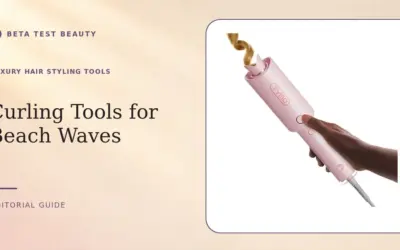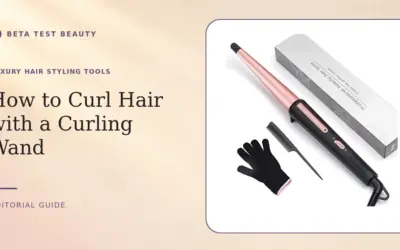

Choosing between a titanium curling wand and a ceramic one is less about declaring a universal winner than matching the barrel to your hair and habits. The material can influence heat behavior, styling feel, and how carefully you need to manage temperature, but it cannot guarantee a particular curl or protect hair from heat damage.
For a broader look at barrel shape and styling technique, see our guide to curling hair with a wand. The comparison below focuses on practical differences and what to check on an individual model, rather than assuming every wand labeled titanium or ceramic performs identically.
How to Choose Between a Titanium Curling Wand and a Ceramic One
Barrel material is only one part of the purchase. Check the wand’s temperature controls, barrel dimensions, clamp or clamp-free design, safety features, and warranty; these model-specific details may matter more to your daily experience than the material name alone.
Heat behavior and temperature control
Titanium barrels are commonly marketed for rapid heat transfer, while ceramic surfaces are generally associated with more even heat distribution. Those are broad material-level descriptions, not a guarantee about a particular wand’s heating speed, temperature consistency, or performance on your hair.
Look for clearly stated temperature settings and a control you can adjust in small, useful increments. If a manufacturer does not specify the operating range or how the wand regulates heat, check the manual before buying rather than treating the barrel label as a substitute.
Hair type, strand condition, and styling goals
A titanium wand may appeal to someone seeking an efficient styling session, especially if their hair is difficult to shape with the tools they already own. That does not mean titanium is automatically the right choice for thick, coarse, fine, or color-treated hair; results depend on the full device, technique, and hair condition.
Ceramic may suit shoppers who prefer a familiar surface and want to prioritize controlled, moderate heat. If your hair is fragile, chemically treated, or prone to dryness, consider whether any heated wand is appropriate for your routine, and use the lowest setting that achieves the style you want.
Barrel diameter and curl shape
Barrel diameter has a direct, visible influence on the shape and scale of curls, so compare measurements before choosing by material. A narrower barrel generally forms tighter curls, while a wider barrel makes larger bends, though hair length and wrapping technique also affect the result.
Consider the length of your hair and whether you want defined curls, loose waves, or a mix. Our guide to curling wands for short hair explains why barrel dimensions can be especially important when there is less length to wrap around the tool.
Surface construction and what the label means
Product descriptions may use terms such as ceramic-coated, ceramic, or titanium without making the construction equally clear. Ask whether the stated material describes the complete barrel or a coating, because construction can affect how you interpret the label and what the manufacturer says about care.
Do not assume that a premium-sounding material guarantees better curls, longer life, or less damage. Compare the manufacturer’s specifications, instructions, and warranty, and favor clear documentation over a broad claim that does not explain the wand’s actual design.
Comfort, handling, and session convenience
Handle shape, weight, cord design, button placement, and the wand’s balance affect usability during repeated sections. These are difficult to predict from the barrel material, so examine product images and manufacturer descriptions, especially if styling the back of your head is challenging.
Check whether the wand includes a stand, heat-resistant glove, automatic shutoff, or a swivel cord, but confirm each feature for the exact model. A quick heat-up claim is useful only if it is documented and paired with controls that let you select an appropriate setting.
Safety, upkeep, and ownership
Both types are heated electrical tools, so follow the manufacturer’s manual, keep the hot barrel away from skin and flammable surfaces, and unplug the wand after use. Do not use a device with a damaged cord or housing, and keep it out of reach of children while hot or cooling.
Let the wand cool fully before cleaning, and use only the cleaning method the manufacturer recommends. Review warranty coverage, return terms, and replacement-part availability before purchase; a tool’s long-term value depends on support and reliable daily use, not just its barrel material.
Why You Should Trust Us
We assess styling tools by separating broad material descriptions from features a manufacturer documents for a specific model. That means considering temperature controls, barrel dimensions, construction, handling, care instructions, safety guidance, and warranty rather than treating a material label as proof of superior results.
No single barrel material suits every hair type or routine, and this comparison does not promise a particular styling outcome. When model-specific information is unclear, check the manufacturer’s manual and specifications before buying, especially for heat settings, construction, and safety features.
Final Thoughts: Which Material Should You Choose?
Choose titanium if the specific wand offers the temperature range, controls, and handling you want, and you value a material commonly marketed for efficient heat transfer. Choose ceramic if its documented settings and construction better suit your preference for controlled styling; neither label alone establishes a best overall or best-value option.
Choose neither if you cannot find clear temperature guidance, if a heated tool does not fit your hair’s condition, or if the wand lacks safety and warranty details you consider essential. For a separate comparison of barrel shape and finish goals, browse our guide to wands for beach waves.
Whichever material you select, use the lowest effective heat, work with dry hair unless the manufacturer explicitly instructs otherwise, and avoid repeated passes over the same section. The more defensible purchase is the wand with transparent specifications and a design that fits your routine, not the one with the more impressive-sounding material name.
Frequently Asked Questions
Is titanium or ceramic better for a curling wand?
Neither is automatically better for everyone. Compare the exact wand’s temperature controls, barrel construction, diameter, handling, and warranty, then choose according to your hair and styling routine.
Does a titanium curling wand heat faster than a ceramic one?
Titanium is commonly described as transferring heat efficiently, but the heat-up time of an individual wand depends on its design. Check the manufacturer’s stated time rather than assuming it from the material alone.
Is a ceramic curling wand gentler on hair?
No barrel material can guarantee that hair will avoid heat-related damage. Temperature, exposure time, technique, and hair condition all matter, so use an appropriate low setting and follow the wand’s instructions.
Which curling wand is better for fine hair?
Look first for a low, adjustable temperature setting and clear operating guidance. Fine or fragile hair may not tolerate the same heat routine as other hair, so avoid choosing on material alone.
Which is better for thick or coarse hair?
Some shoppers with resistant hair may prefer a wand marketed for efficient heat transfer, but performance varies by model and technique. Compare documented settings and choose a barrel size suited to your desired curl.
What does ceramic-coated mean on a curling wand?
It indicates that ceramic is described as a coating, rather than necessarily the entire barrel construction. Check the manufacturer’s product specifications and care instructions to understand what the label means for that model.
Does barrel size matter more than material?
For the shape and scale of the curl, barrel diameter is often a more direct consideration. Material and heat controls still matter, but a barrel that does not suit your hair length or style goal may be frustrating to use.
How should I choose a curling wand in 2026?
Compare current model specifications instead of relying on general claims about titanium or ceramic. Our guide to inexpensive curling wands can also help you weigh practical features against a premium finish.
Evidence and safety references
These references support the general technology and safety context. Product specifications can change; confirm the current manual and regulatory status before use.
- Study: hair-shaft damage, dryer temperature and distance
- Study: effects of heat treatment on hair structure
Safety note: Beauty devices are not a substitute for diagnosis or treatment. Follow the device instructions and consult a qualified clinician if you have a skin condition, take photosensitizing medication, are pregnant, or are unsure whether a device is appropriate.