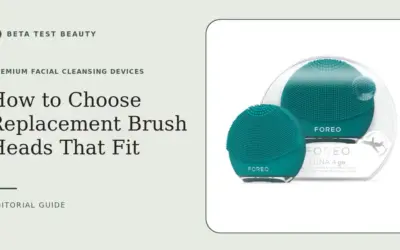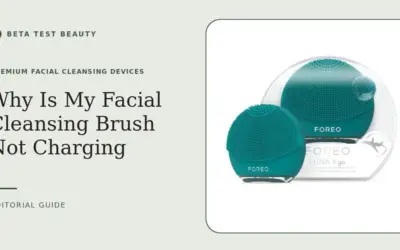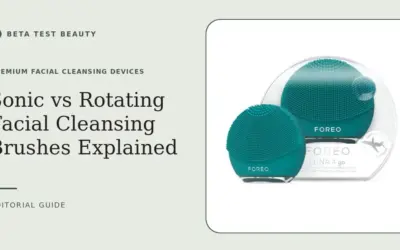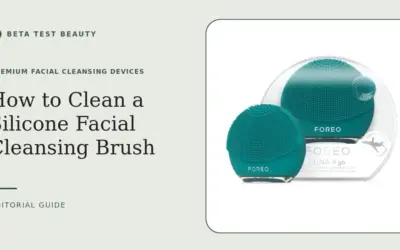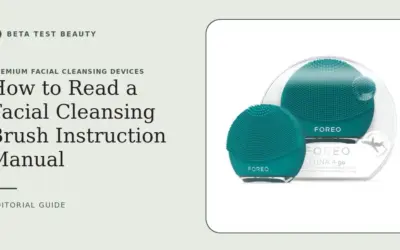

When a cleansing brush feels less effective, worn bristles are only one possible cause. Cleaning habits, residue, pressure, and device design can change how the brush feels against skin.
To tell when a cleansing brush head needs replacing, inspect its material and look for damage, odor, loosened parts, or a persistent change in texture. Silicone devices such as the FOREO Luna 4 go use a different head design from replaceable nylon-bristle brushes, so replacement advice depends on the manufacturer’s instructions.
For broader context on material and comfort, see our guide to silicone facial cleansing brushes for sensitive skin. The central rule is simple: clean and inspect first, then replace a head only when its condition or the device manual supports that choice.

Pros
- Hygienic silicone, 35x more than nylon
- Compact and travel-friendly
- 300 uses per charge
- 8 adjustable T-Sonic speeds
- Dual-use: cleanse and massage
Cons
- No included charger cable
- Single AAA battery required
- Limited to 1-minute sessions
Specifications
| Color | Evergreen |
|---|---|
| Size | LUNA 4 go Evergreen |
| Dimensions | 1.3779527545 x 3.4251968469 x 3.7795275552 inches |
| Weight | 0.11904962148 pounds |
| Product Group | Beauty |
| Binding | Health and Beauty |
Verify the current product variation before purchase; specifications may change.
Detailed Review
What stands out in the currently available product data:
- Ultra-hygienic, nonporous silicone is 35x more hygienic than nylon bristle brushes, reducing bacterial buildup
- 8 manually adjustable T-Sonic pulsation intensities allow a customized cleanse for all skin types
- Two-zone brush head with thinner and thicker touchpoints targets different areas for a deep, gentle clean
- Flippable design with firming concentric silicone ridges for a 1-minute facial massage to reduce signs of aging
- Long-lasting battery with 300 uses per charge and a travel-lock feature for worry-free on-the-go use
- Removes up to 99.5% of impurities, helping prevent inflammation and reduce breakouts
Best For / Avoid If
Best for buyers prioritizing
- Hygienic silicone, 35x more than nylon
- Compact and travel-friendly
- 300 uses per charge
Consider another option if
- No included charger cable
- Single AAA battery required
- Limited to 1-minute sessions
Start with the brush material and replacement design
Not every facial cleansing device has a detachable head intended for routine replacement. Nylon-bristle models often have replaceable brush heads, while many silicone devices use an integrated cleansing surface.
Check the manual or manufacturer’s care information before ordering parts or trying to remove a head. Forcing a component that is not designed to detach can damage the device and may affect its warranty coverage.
Look for physical wear, looseness, or damage
On a bristle head, inspect for bent, frayed, flattened, or missing bristles, plus a base that no longer sits securely. These changes can make contact uneven and signal that continued use is no longer appropriate.
On a silicone surface, check for tears, cracks, peeling, or separation from the device body. A smooth silicone surface will not show the same bristle wear pattern, so visible structural damage matters more than comparing it with a new-looking brush.
Notice odor and residue after proper cleaning
Cleanser, makeup, and skin oils can collect around bristle bases, seams, and charging or attachment areas. Follow the manual’s cleaning directions, rinse thoroughly where permitted, and let the device dry fully before deciding that odor or residue signals permanent wear.
If an unpleasant smell or visible buildup remains after correct cleaning, stop using the affected head until you can assess it. Do not use harsh solvents, abrasive tools, or unapproved disinfectants; these may degrade materials or damage the device.
Separate head wear from changes in cleansing results
A weaker-feeling session does not prove that a brush head has worn out. First check battery charge, device settings, cleanser amount, and whether residue has accumulated on the surface.
Change one factor at a time and keep pressure and session length consistent with the manufacturer’s directions. Avoid scrubbing harder or extending use to compensate; more friction can irritate skin without fixing a device problem.
Use manufacturer guidance, not a guessed replacement calendar
Replacement intervals vary by brush material, design, and manufacturer instructions. Without a documented interval for your specific model, a universal schedule would be guesswork rather than reliable maintenance advice.
Find the model’s manual and confirm whether it lists a replaceable head, compatible part, cleaning method, or service route. Keep the model name and purchase documentation available when contacting support, especially if the device or attachment is still covered by warranty.
Weigh replacement cost against device condition
If a compatible replacement head is available, compare its cost and availability with the device’s remaining useful function. A replacement makes more sense when the device works normally and the head alone shows clear, documented wear.
If the handle, charging system, controls, or attachment mechanism also fails, replacing only the head may not address the problem. Ask the manufacturer about troubleshooting and warranty support before purchasing parts or replacing the full device.
Why You Should Trust Us
Our guidance separates product information available for this page from practical interpretation. The available details identify the FOREO Luna 4 go as a silicone cleansing device with a two-zone brush surface and eight T-Sonic intensity settings, but do not specify a routine replacement interval.
We do not claim physical testing, independent verification of manufacturer performance statements, or clinical outcomes. We recommend checking the model’s official care instructions because attachment design, compatible parts, and warranty terms can differ across devices.
Final Thoughts
For the listed product, the FOREO Luna 4 go Facial Cleansing Brush & Firming is a silicone device, so nylon-bristle replacement rules may not apply. The available information describes cleansing and firming massage functions, but does not establish that its silicone surface requires routine replacement.
It is the most relevant choice here for someone seeking a compact silicone cleansing device with adjustable pulsation intensity and a massage function. It is not a clear value choice for shoppers who specifically want replaceable brush heads, since the published product details do not document a replacement-head program or ongoing part cost.
For alternatives organized around massage functions, consult our guide to facial cleansing devices with massage modes. Choose based on the head design, care requirements, supported accessories, and return or warranty terms, not on an assumed replacement schedule.
FAQs
How often should I replace a facial cleansing brush head?
There is no single interval that fits every device. Follow the manufacturer’s instructions for your model, and replace a detachable head when its guidance or visible condition calls for it.
How do I know if my cleansing brush head is worn out?
Look for frayed or missing bristles, a loose attachment, cracks, tears, or persistent odor after correct cleaning. A change in cleansing feel alone is not enough; check charge, settings, and residue first.
Do silicone cleansing brushes need replacement heads?
That depends on the model. Some silicone devices have an integrated surface rather than a routinely replaceable head, so check the manual and do not try to detach parts unless instructed.
Can I keep using a brush head with damaged bristles?
Stop using a head with missing, frayed, or sharply damaged bristles until you replace it or receive manufacturer guidance. Damaged contact surfaces may feel uneven and can make the device harder to clean properly.
Why does my cleansing brush smell even after rinsing?
Residue may remain around seams or bristle bases, or the device may not have dried fully. Clean it as directed and allow it to dry; if odor persists, pause use and contact the manufacturer.
Can I disinfect a cleansing brush with alcohol or bleach?
Do not assume those products are compatible with the brush. Use only the cleaning method specified by the manufacturer, since unapproved chemicals can damage silicone, adhesives, or device components.
Should I press harder when my cleansing brush feels less effective?
No. Check battery, settings, cleanser, and surface cleanliness one at a time, while keeping pressure and use within manufacturer directions.
When should I replace the whole cleansing device?
Consider replacement when the handle, charging, controls, or attachment mechanism fails and the manufacturer cannot resolve the issue. If the device still works and only a documented replaceable head is worn, replacing that component may be the more practical option.
What should I check before buying a replacement head?
Confirm exact model compatibility, whether the head is user-replaceable, and the manufacturer’s installation and care instructions. For skin comfort considerations, see our guide to silicone cleansing brushes for sensitive skin.
Evidence and safety references
These references support the general technology and safety context. Product specifications can change; confirm the current manual and regulatory status before use.
- American Academy of Dermatology: acne-friendly skin care
- American Academy of Dermatology: face-washing guidance
Safety note: Beauty devices are not a substitute for diagnosis or treatment. Follow the device instructions and consult a qualified clinician if you have a skin condition, take photosensitizing medication, are pregnant, or are unsure whether a device is appropriate.