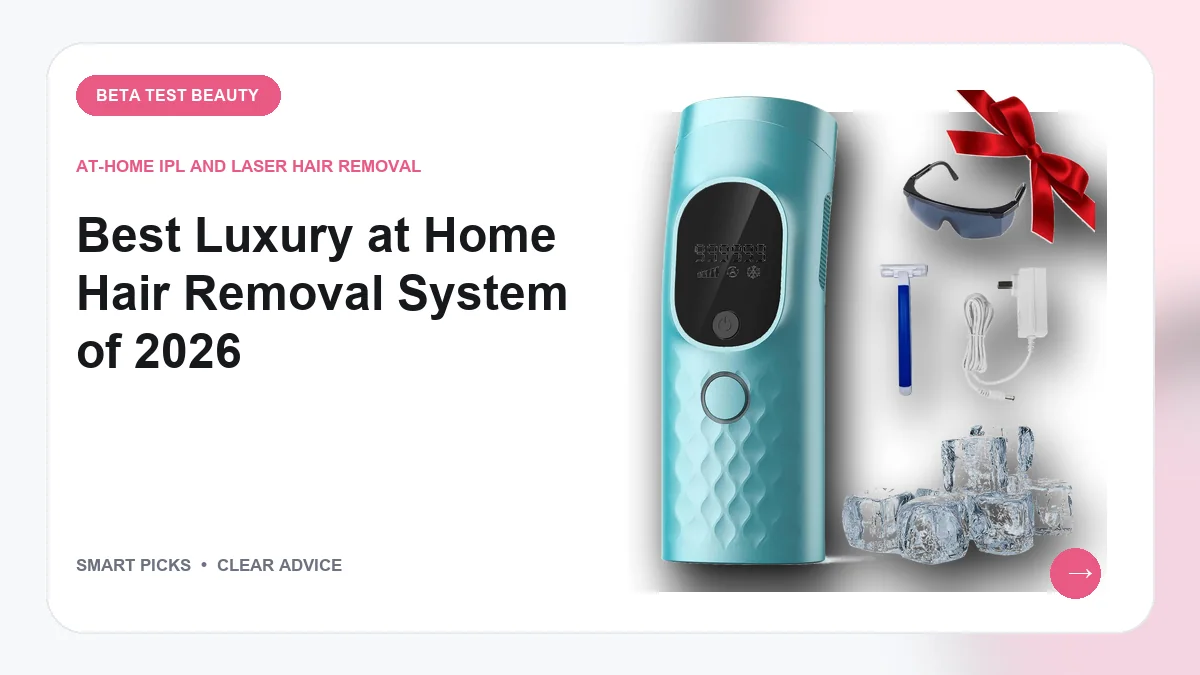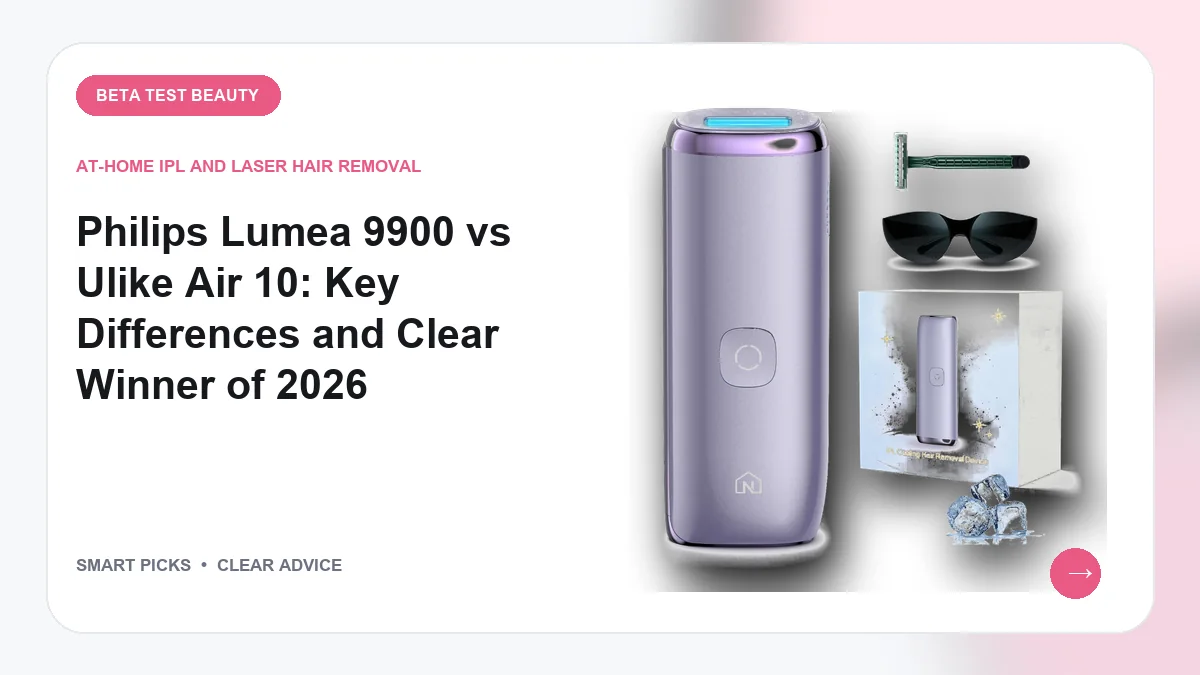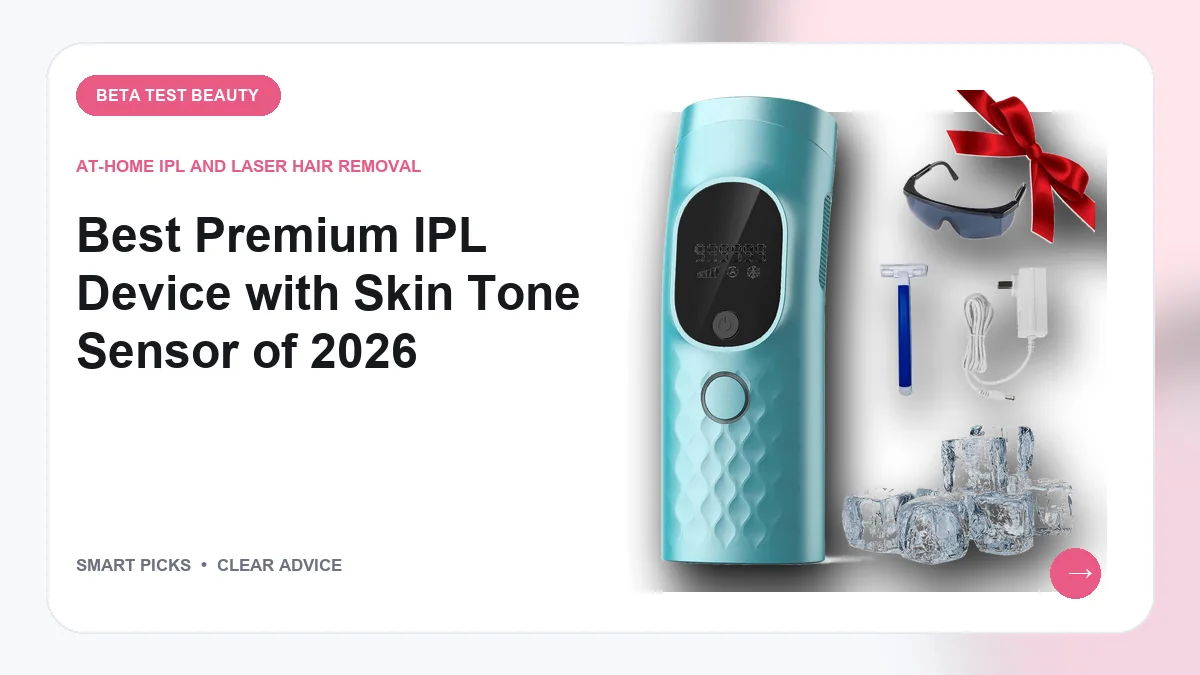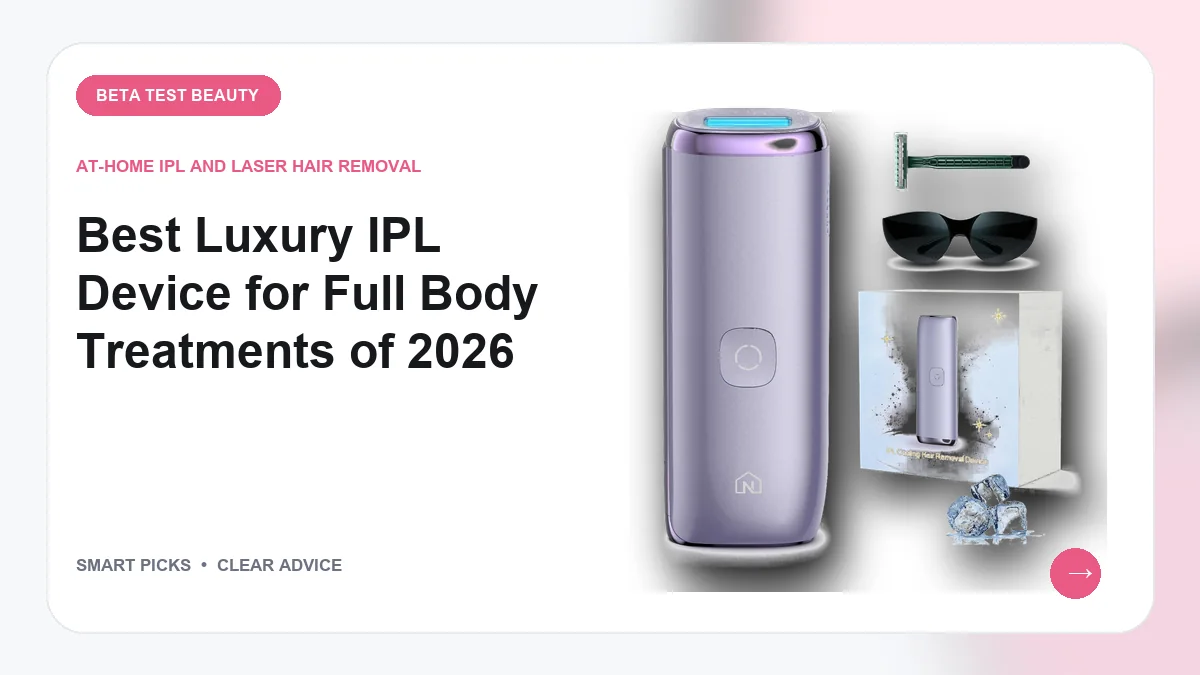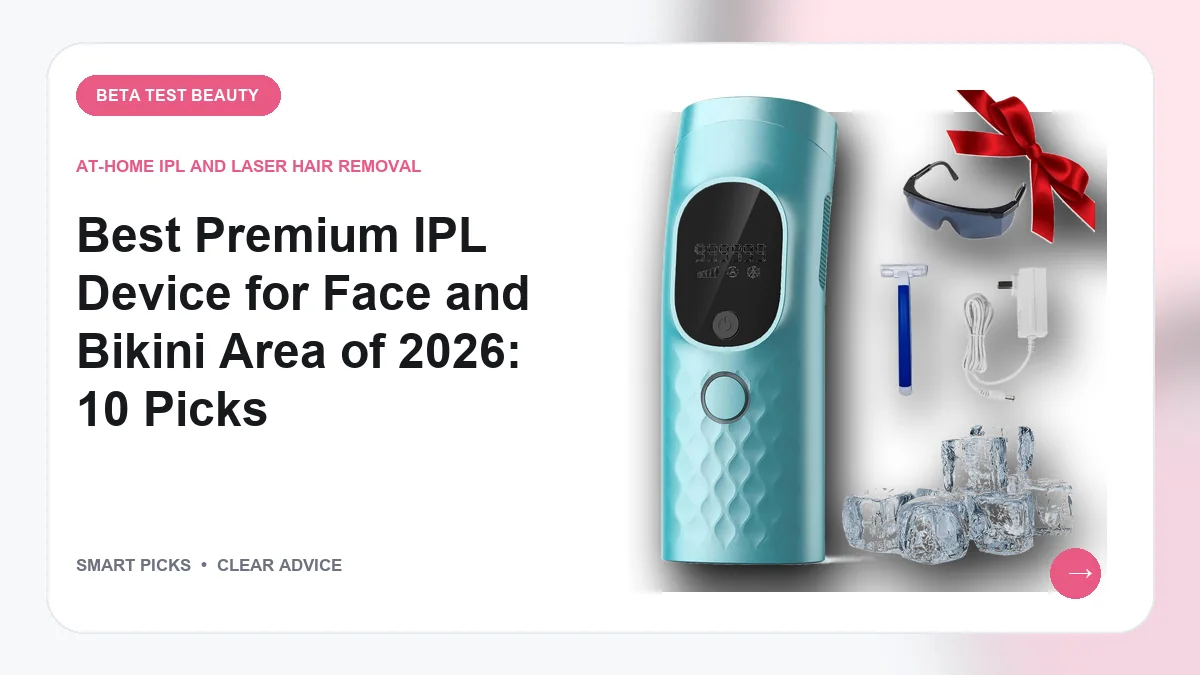

Small areas such as the underarms, bikini line, and lower face demand more precision than broad leg treatments. Understanding how to choose an ipl device for small areas helps you prioritize controlled coverage, skin compatibility, and comfortable handling.
For September 2026, our comparison includes 1 featured option alongside practical criteria that apply across the wider market. You can also explore our at-home IPL and laser hair removal coverage for additional device types and use cases.

Pros
- Four area-specific attachments
- Skin-tone and temperature sensing
- Companion app with reminders
- Face, bikini, and underarm coverage
- Corded-style premium treatment system
Cons
- Requires repeated treatment sessions
- Not a true laser device
- Facial use limited below cheekbones
Specifications
| Color | Sand |
|---|---|
| Product Group | Beauty |
| Binding | Health and Beauty |
Verify the current product variation before purchase; specifications may change.
Detailed Review
What stands out in the currently available product data:
- Four attachments target body, face, bikini, and underarm areas
- SenseIQ sensors monitor skin tone, contact, and temperature
- App provides treatment reminders, routine guidance, and practical tips
- Designed for long-lasting hair reduction at home
- Facial attachment is intended for use below the cheekbones
- Supports treatment planning across multiple body areas
Best For / Avoid If
Best for buyers prioritizing
- Four area-specific attachments
- Skin-tone and temperature sensing
- Companion app with reminders
Consider another option if
- Requires repeated treatment sessions
- Not a true laser device
- Facial use limited below cheekbones
How to Choose an IPL Device for Small Areas
Confirm Skin Tone and Hair Color Compatibility
Compatibility is the first decision because IPL depends on contrast between pigment in the hair and surrounding skin. Consult the manufacturer’s current skin tone and hair color chart rather than relying on general category descriptions.
Most consumer IPL systems are ineffective on white, gray, or very light blond hair because those colors contain limited melanin. Darker skin tones may also require specially designed technology, so compare options in our hair removal device guide for dark skin.
Match the Attachment to the Treatment Zone
A smaller treatment window can improve placement around curved or narrow areas, although it may increase session time. Contoured attachments also help maintain even contact around underarms and the bikini line without repeatedly repositioning the device.
The Philips Lumea 9000 Series IPL Hair Removal Device includes dedicated attachments for the body, face, bikini area, and underarms. Philips specifies facial use for women below the cheekbones, which illustrates why area restrictions deserve careful attention before purchase.
Evaluate Skin Sensors and Contact Controls
Small areas contain sharper contours, making consistent contact more difficult than treatment across a flat section of the leg. A contact sensor can prevent flashes when the window is not positioned correctly, supporting more deliberate application.
Philips describes its SenseIQ system as combining skin tone reading, contact detection, and temperature monitoring through three sensors. These controls assist operation, but they do not replace the manual’s compatibility rules, patch testing, or careful setting selection.
Compare Intensity Selection and Treatment Modes
Adjustable intensity matters because comfort can vary between the underarms, bikini line, and other approved treatment zones. Choose a device that clearly explains how its settings correspond with compatible skin tones and individual sensitivity.
Precision mode is generally preferable for isolated spots because each flash can be placed intentionally before moving forward. A continuous glide mode is more useful on larger areas, so having both approaches can improve versatility.
Check Facial and Sensitive Area Restrictions
Never assume that a body IPL device is approved for every facial, intimate, or sensitive treatment location. Manufacturer instructions commonly exclude areas near the eyes, mucous membranes, genitals, tattoos, dark spots, and irritated or broken skin.
Review contraindications involving pregnancy, photosensitizing medications, active skin conditions, recent tanning, and relevant medical history before treatment. If your circumstances are unclear, consult a qualified healthcare professional instead of experimenting with a lower intensity.
Assess Handling, Power, and Session Workflow
A bulky handpiece can become awkward when reaching underarms or maintaining alignment around the bikini line. Consider grip shape, control placement, corded operation, cordless capability, and whether the attachment remains visible during positioning.
Small areas rarely require lengthy sessions, but preparation and careful overlap still influence the total routine. Compare the documented flash cadence and power options, while treating unusually fast marketing estimates as conditional rather than guaranteed.
Calculate Long-Term Ownership Value
Premium IPL devices can justify their positioning through specialized attachments, clearer guidance, stronger automation, or a more convenient treatment workflow. Those advantages matter less if you only treat one tiny area and can safely use a simpler compatible model.
Check the written warranty, flash-life policy, return terms, replacement attachment availability, and app requirements before committing. For broader comparisons beyond consumer IPL, review how professional laser hair removal machines differ in technology, complexity, and intended users.
Why You Should Trust Us
Our assessment separates documented specifications and manufacturer claims from editorial judgments about suitability, convenience, and value. We examine compatibility, attachments, controls, protocols, contraindications, maintenance, warranty considerations, and likely ownership tradeoffs without claiming unsupported hands-on results.
Because the supplied selection contains 1 product, it cannot establish a market-wide performance winner or meaningful budget alternative. Our recommendation is therefore conditional, and readers should verify the current manual, warranty, and eligibility guidance before purchasing.
Final Thoughts
Among the featured selection, the Philips Lumea 9000 Series IPL Hair Removal Device is our best overall option for treating multiple approved small areas. Its dedicated face, bikini, and underarm attachments address precision more directly than a single broad treatment window.
The same Philips Lumea 9000 Series IPL Hair Removal Device is the strongest specific-use choice for shoppers wanting guided treatment across several body zones. SenseIQ sensors and companion-app reminders may improve routine management, although suitability still depends on hair color, skin tone, and contraindications.
We cannot name a defensible best-value winner from one premium device without a lower-cost comparison in the supplied data. Cost-conscious shoppers should compare compatible alternatives through our laser hair removal machines for men guide or broader category coverage before deciding.
Frequently Asked Questions
How to choose an ipl device for small areas in 2026?
Start with documented skin and hair compatibility, then compare precision attachments, contact sensing, intensity controls, and approved treatment locations. Warranty coverage, handling, scheduling requirements, and ongoing app dependence should guide the final decision.
Can IPL be used on the face?
Some devices permit limited facial treatment, but the approved zones vary by model and user. Follow the manufacturer’s instructions exactly, avoid the eye area, and never use an attachment simply because it physically fits.
Is a smaller IPL window better for underarms?
A smaller or contoured window can make placement easier across the underarm’s curves and narrow treatment boundaries. It is not automatically more effective, because outcomes also depend on compatibility, intensity, technique, and schedule adherence.
Should I shave before using IPL on a small area?
Many IPL protocols require shaving beforehand so light targets pigment below the skin rather than exposed hair. Follow the device manual, avoid waxing or plucking when prohibited, and ensure the treatment area is clean and dry.
How should I patch test an IPL device?
Use the manufacturer’s patch-test procedure on each intended area because sensitivity can differ across your body. Wait for the full specified observation period, and do not proceed if you notice an unexpected or persistent reaction.
Can IPL be used over tattoos, moles, or dark spots?
IPL generally should not be flashed over tattoos or heavily pigmented areas unless the manufacturer explicitly states otherwise. Dark pigment can absorb additional light energy, so consult the manual and seek professional guidance when uncertain.
Does at-home IPL permanently remove hair?
At-home IPL is generally positioned for long-term hair reduction and ongoing management rather than guaranteed permanent removal. Results vary, and maintenance sessions may be necessary after completing the manufacturer’s initial schedule.
Is IPL the same as laser hair removal?
IPL uses a broad spectrum of light, while laser systems use a more specific wavelength or wavelength range. Device design and operator requirements also differ, as explained across our commercial laser hair removal equipment guide.
Evidence and safety references
These references support the general technology and safety context. Product specifications can change; confirm the current manual and regulatory status before use.
- American Academy of Dermatology: unwanted hair removal and laser safety
- Systematic review: long-term hair reduction with lasers and IPL
- Systematic review: paradoxical hair growth after laser or IPL
- FDA 510(k) summary: home-use IPL hair-removal device
Safety note: Beauty devices are not a substitute for diagnosis or treatment. Follow the device instructions and consult a qualified clinician if you have a skin condition, take photosensitizing medication, are pregnant, or are unsure whether a device is appropriate.